Last updated November 25, 2026
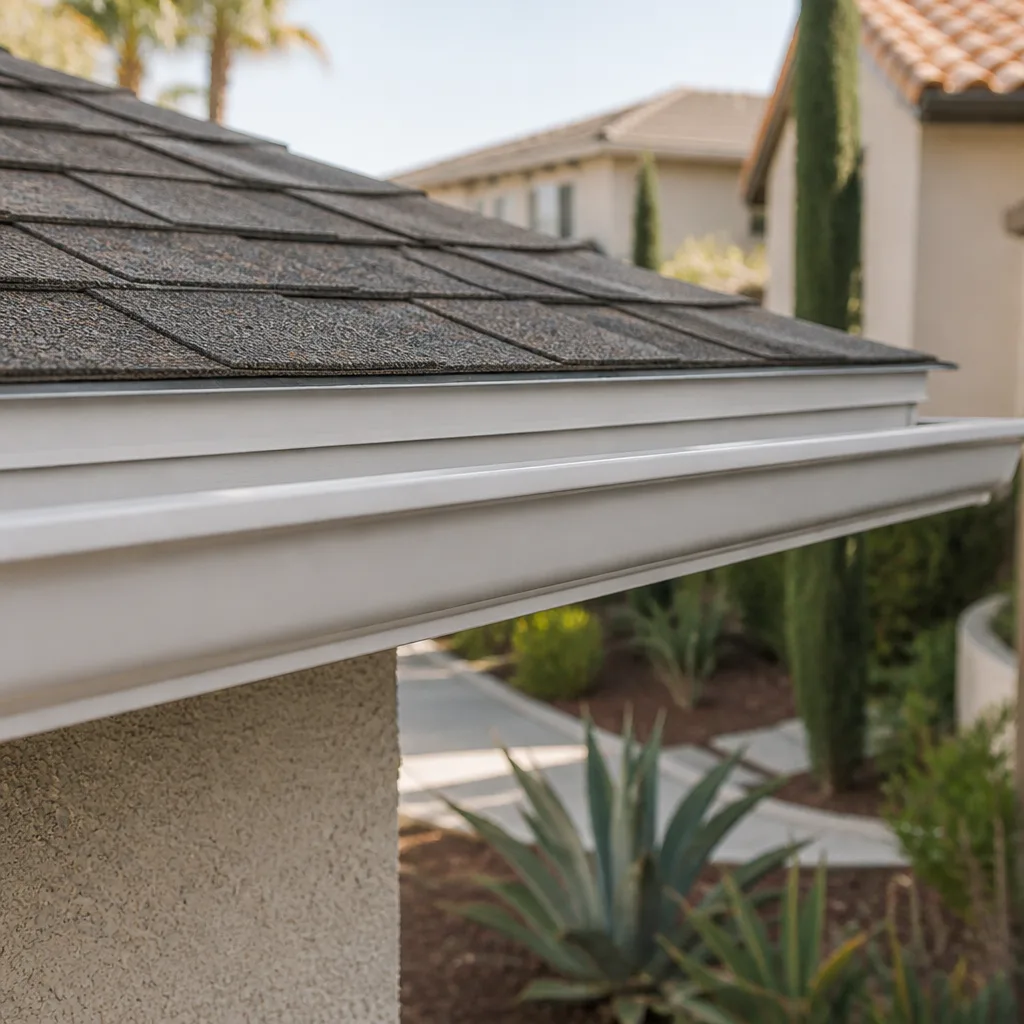
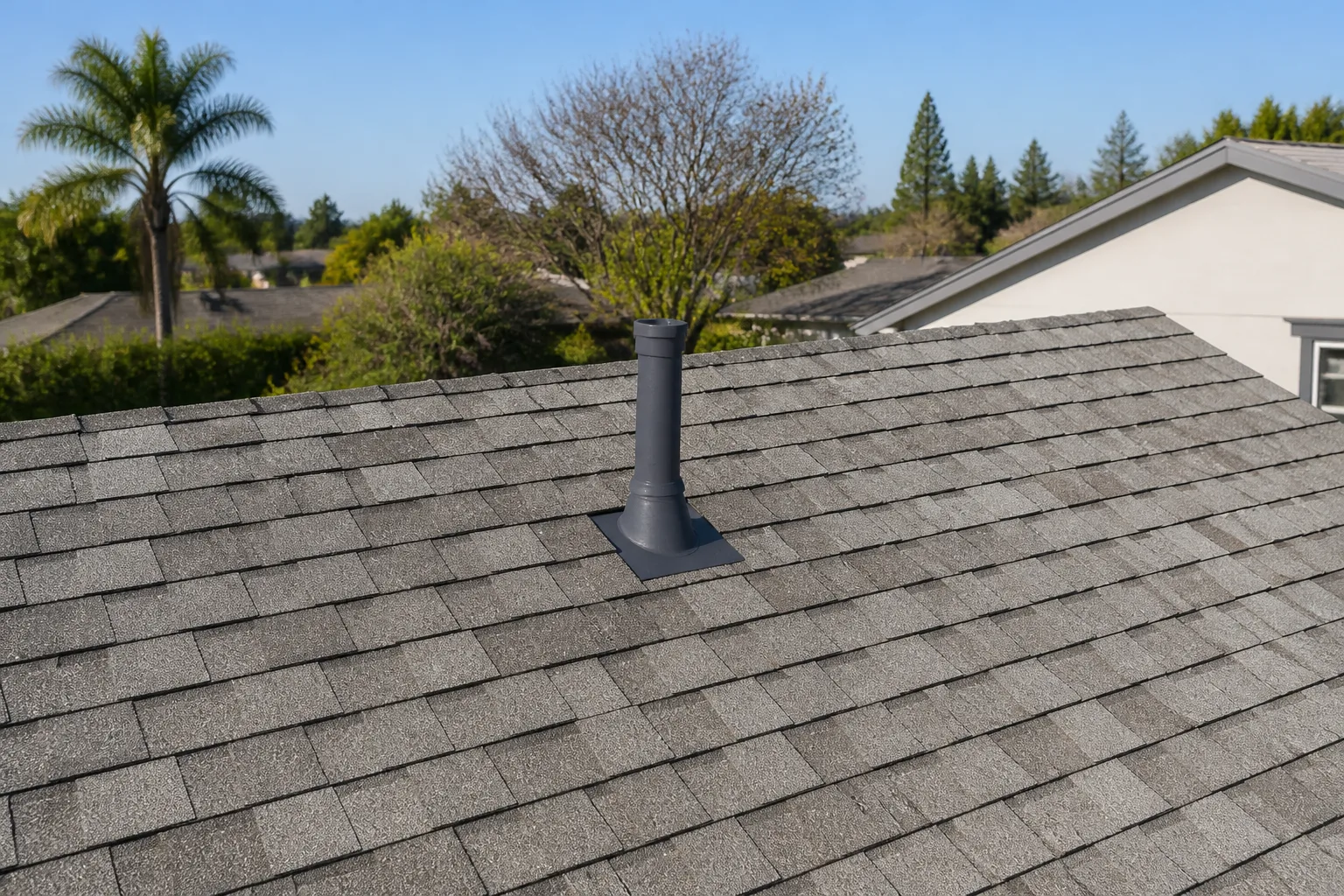
Free roof inspection with deck photos before we talk money - GAF and Owens Corning certified installation
Roofing Emergency Preparedness Guide for Roseville Homes
Most roof leaks that cause major interior damage don’t happen because a storm was severe. They happen because a homeowner waited 48 hours to tarp or mitigate, and water reached the insulation, drywall, and framing before anyone acted. Roseville homeowners tend to be ready for the big stuff: earthquake kits, wildfire evacuation routes, emergency water. The roof above their heads rarely gets the same planning. That gap is what this guide closes. You’ll learn how to tell a true structural emergency from a containable leak, what to do in the first two hours without stepping on the roof, how to file a California insurance claim the right way, and how to build a Roseville-specific emergency plan before weather forces your hand.
Quick Answer
If your Roseville roof is leaking, the first move is containment, not climbing. Get water away from the ceiling, move valuables, and document everything with photos from the ground and inside the attic. Then call for assessment and tarping. A roof failure handled in the first six hours is usually a mitigation cost; one left for two days often becomes a structural repair. The difference between a small repair bill and a large one comes down to how fast you read the situation and who you call.
Styles & brands we work with
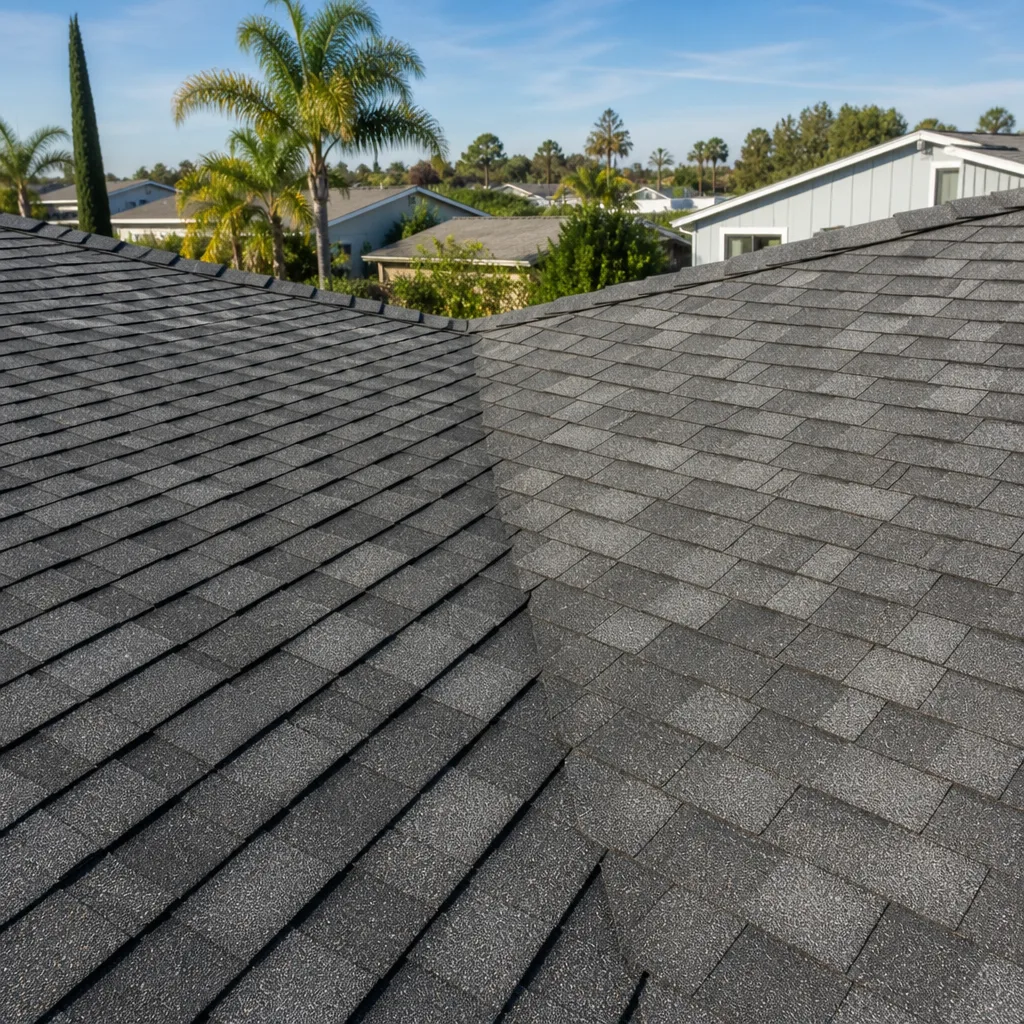
- Architectural shingles
- Metal roofing
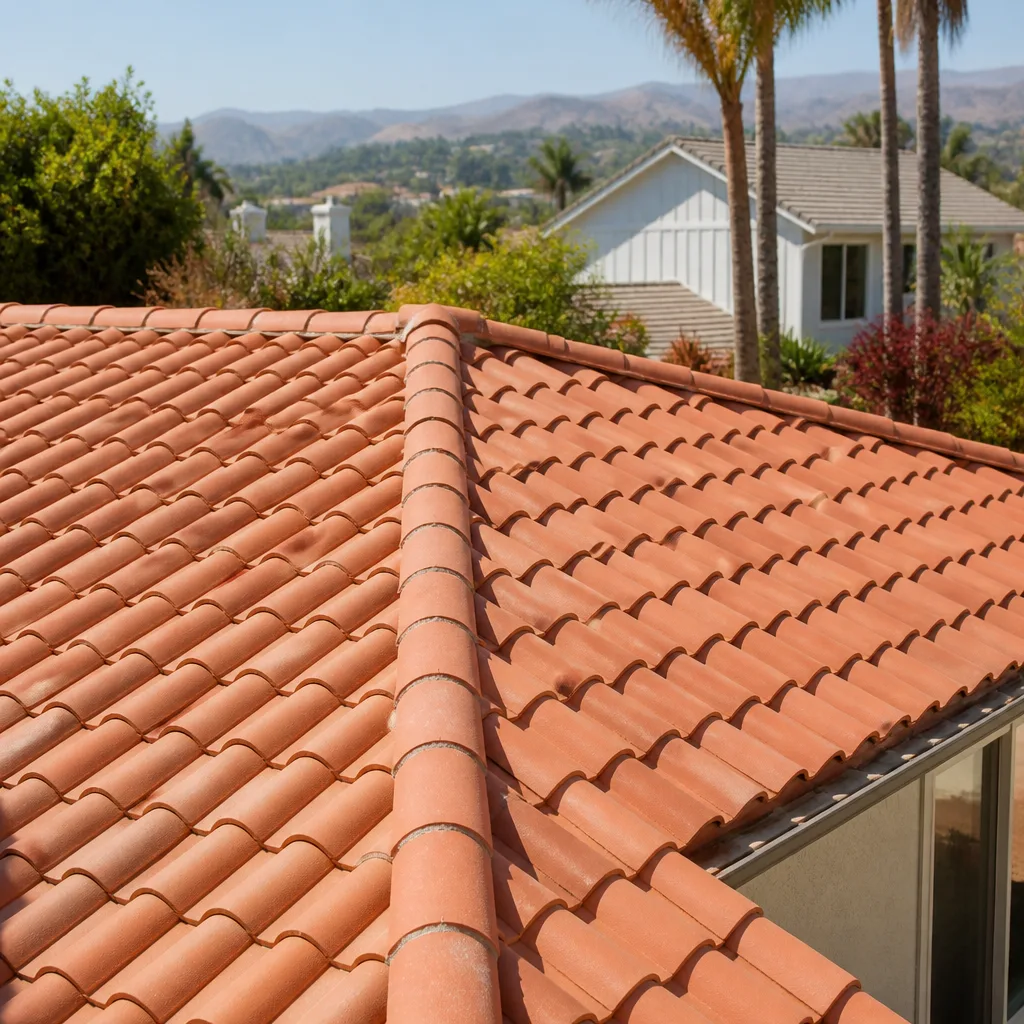
- Tile roofing
- GAF
- Owens Corning
- Flat & low-slope
Table of Contents
- Active Emergency or Containable Leak? How to Tell in Five Minutes
- What to Do in the First Two Hours (Step by Step)
- Emergency Tarping: When It Helps and When It Backfires
- How to File a Roofing Claim With a California Homeowner’s Policy
- Which Roseville Weather Events Actually Cause Sudden Roof Failure
- Building Your Roseville Roofing Emergency Contact Plan
- How to Avoid Storm-Chaser Crews in a Vulnerable Moment
Active Emergency or Containable Leak? How to Tell in Five Minutes
Not every leak is an emergency. The first thing to figure out is whether your situation is a structural emergency, a containable leak, or a call for 911. Getting this classification right in the first five minutes is the single most important decision you’ll make, because it determines whether you call emergency services, a roofing professional, or just start moving buckets.
Call 911 if any of these are true
- Ceiling drywall has collapsed or is visibly sagging under pooled water in a way that could injure someone.
- You see a large penetration (tree limb through the roof, missing section of decking) with a clear line to the interior.
- Water is contacting electrical fixtures, a ceiling fan, a light, or exposed wiring.
- A section of the roof or fascia looks structurally unstable from the ground.
Call a roofer for assessment if
- Water is actively dripping or staining the ceiling but not through it.
- A shingle section is missing or lifted after wind, or you can see a small hole from the ground.
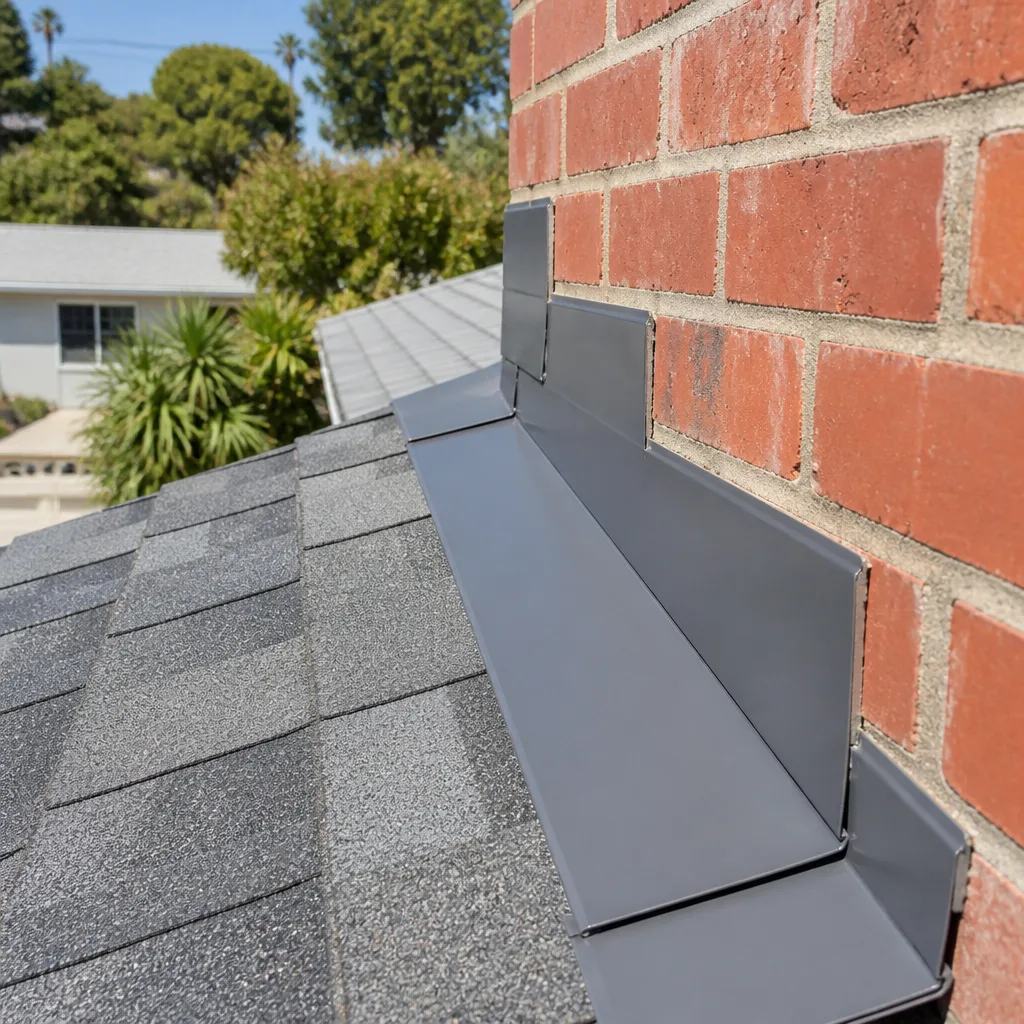
- Water is entering at a valley, ridge, or around a vent, skylight, or chimney.
- The leak appeared after a rainstorm and is spreading but the structure looks intact.
Manage it yourself for a few hours if
- The leak is at a small, familiar spot and water is being caught in a container.
- No visible damage to the ceiling, no electrical exposure, and no widening stain.
- You’ve already photographed it and are calling for an assessment during the current dispatch window.
The distinction matters because a containable leak handled correctly is a roofing project; a structural emergency is a safety and insurance situation. Roseville homes built in different eras have different vulnerabilities here, but the classification rules are the same whether your home is in West Roseville or off Sunrise.
What to Do in the First Two Hours (Step by Step)
The first two hours decide the floor of your repair cost. Here’s what a homeowner can safely do, and the sequence matters. You’re a coordinator in those hours, not a roofer. The order below is the one we recommend to anyone calling our team.
- Protect people first. Keep kids and pets out of the room where water is coming in. If water is anywhere near an electrical panel, a fixture, or a wet wall with outlets, turn the power off at the panel before you go any further.
- Contain the water inside. Buckets, bins, towels. If water is traveling down a wall, you can’t stop it from inside, but you can redirect it. Move furniture, rugs, artwork, and anything with electronics out of the room.
- Relieve the ceiling safely. If water is pooling behind paint and bulging the drywall, a small hole punched near the bulge with a screwdriver lets it drain in a controlled way rather than bursting through. Aim into a bucket. Wear eye protection. Do not stand under a sagging section.
- Get into the attic, carefully. From a safe interior access point, use a flashlight and look at the underside of the decking, the insulation, and the rafters above where the interior leak is showing. Take photos. Note how widespread the water trail is. Do not walk on wet insulation or between rafters you can’t see. If anything looks unstable, back out and wait for the professional.
- Document everything for insurance. From the ground outside: any obvious missing shingles, lifted flashing, damage at vents and skylights. From inside: the ceiling, the floor, the room contents. Video walkthroughs are useful because they capture scale and location together.
- Call for assessment and tarping. This is where a roofing specialist’s judgment about whether a tarp is safe to install in the current conditions matters. Call (279) 529-0857. We answer 24/7. Fast dispatch from 7am to 7pm, Sunday through Friday.
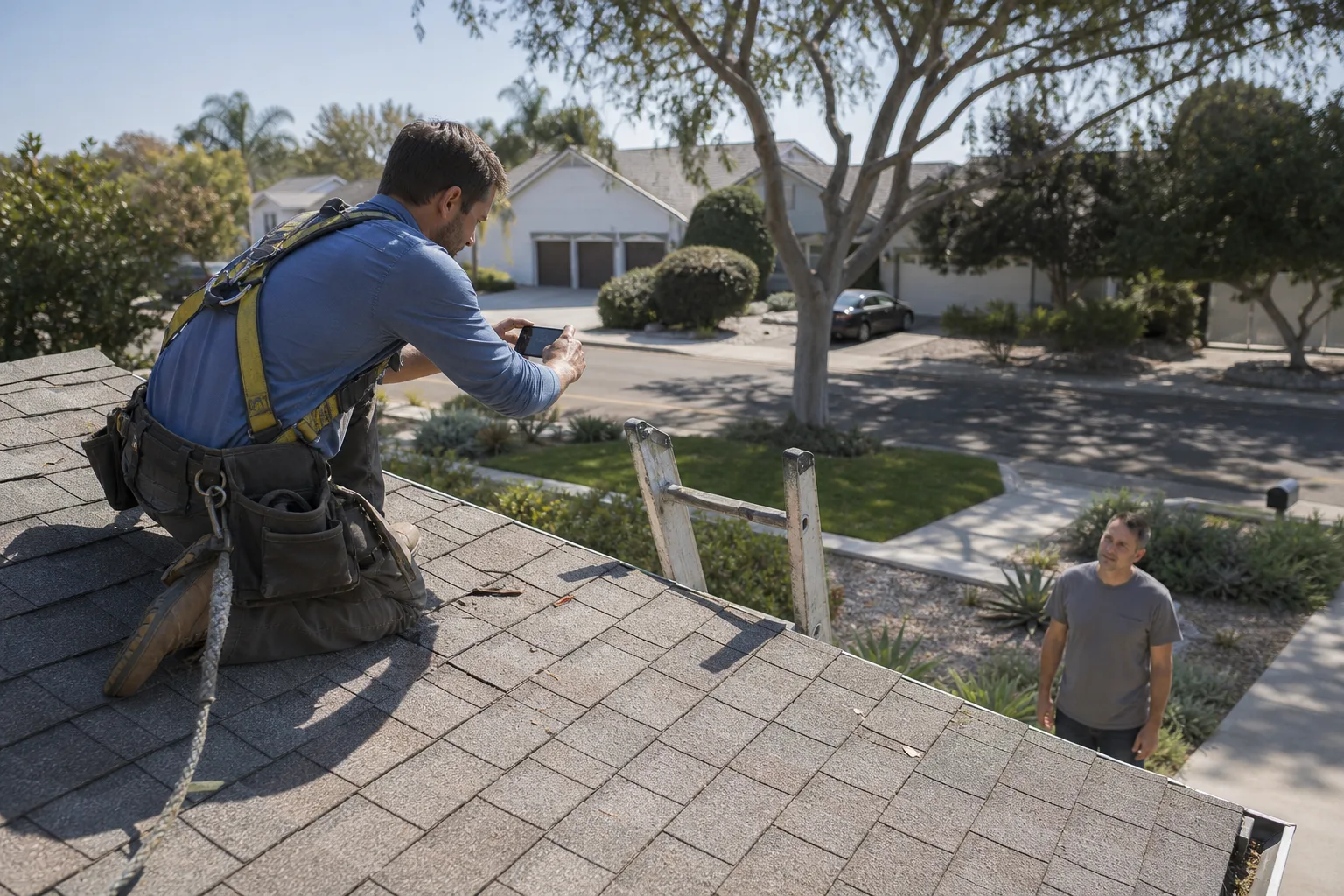
Notice what’s missing from that list: getting on the roof. The roof is a fall hazard in dry weather and a slip hazard in wet. We don’t recommend it in the first two hours, and after enough water, the surface is unpredictable even to people used to it. A trained professional with proper fall protection and the right material is who should be up there.
Emergency Tarping: When It Helps and When It Backfires
Emergency tarping is one of the most useful tools in a roof emergency, and one of the easiest to do badly. Done right by someone qualified, a tarp keeps water out of the assembly until a full repair can be scheduled. Done wrong, it can trap water, do further damage, and undermine an insurance claim.
When a tarp is appropriate
- There’s a hole, missing shingle field, or damaged flashing that’s letting water in and rain is forecast.
- The damage is localized and the decking appears intact underneath.
- The tarp can be secured without covering attic vents or trapping water against a low-slope area.
- A qualified roofer can anchor it without driving fasteners into the roof in a way that creates new leaks.
When a tarp makes things worse
- Water is being trapped behind it because the slope runs the wrong way.
- It’s anchored by people with no fall protection or understanding of the roof system.
- It’s put on and left indefinitely. A tarp is a temporary measure; it is not a repair.
Here’s the part competitors miss: an insurance carrier will look closely at mitigation. A tarp installed by an unqualified person, or installed incorrectly, can muddy the claim because it becomes hard to distinguish storm damage from tarp damage. If the tarp is going to support an insurance claim, have a roofing professional install it and document it. For Roseville homeowners facing both winter rain and summer wind events, a properly installed tarp is often the difference between a repair and a replacement on the documented record. If the damage turns out to be extensive, roof replacement may be the right path; if it’s a localized failure, a targeted repair usually is.
How to File a Roofing Claim With a California Homeowner’s Policy
Filing a roof damage claim in California works best when the documentation sequence is deliberate. Most policies cover sudden, accidental damage from a specific event and exclude gradual wear. Your job is to make the cause obvious and the scope clear.
- Document before you touch anything. Photos and video of the damage in place, inside and outside. Date-stamped if possible. Don’t clean up or discard damaged materials before you’ve documented them.
- Mitigate, don’t repair yet. Your policy typically expects reasonable mitigation (containment, tarping). Full repairs before the adjuster sees the damage can complicate scope agreement.
- Get a contractor assessment before the adjuster visits. This is usually the homeowner’s advantage. An independent roofing assessment gives you a professional scope to compare against the adjuster’s, so you’re negotiating from information, not from a single opinion.
- File the claim and provide the assessment. Your documentation and the roofer’s report together show the adjuster what happened and how much of the roof is affected.
- Meet the adjuster on site if you can. Walk the roof together, or have the roofer present. Scope disagreements often come down to whether a section is included or excluded.
- Confirm the scope in writing. Get the agreed scope and next steps documented before scheduling the work. If the claim involves a full system, the replacement or new roof installation conversation should reflect the adjusted scope, not a guess.
Adjuster timelines vary with volume and the severity of damage. Don’t wait on the adjuster to schedule mitigation; the goal is to stop further damage while the claim is being reviewed. If your policy covers it, mitigation dollars are typically handled separately from the repair scope.
Which Roseville Weather Events Actually Cause Sudden Roof Failure
Roseville’s climate delivers three distinct kinds of roofing stress, and each produces a different failure pattern. Knowing which type you’re facing helps you prioritize. Mild winters don’t mean mild roof risk.
- Winter rain and wind. Long rain events with wind test the same things every year: flashing, valleys, and anything that was already near end-of-life. Wind-driven rain finds the weakest penetration and starts a leak that might not show indoors for a day or two.
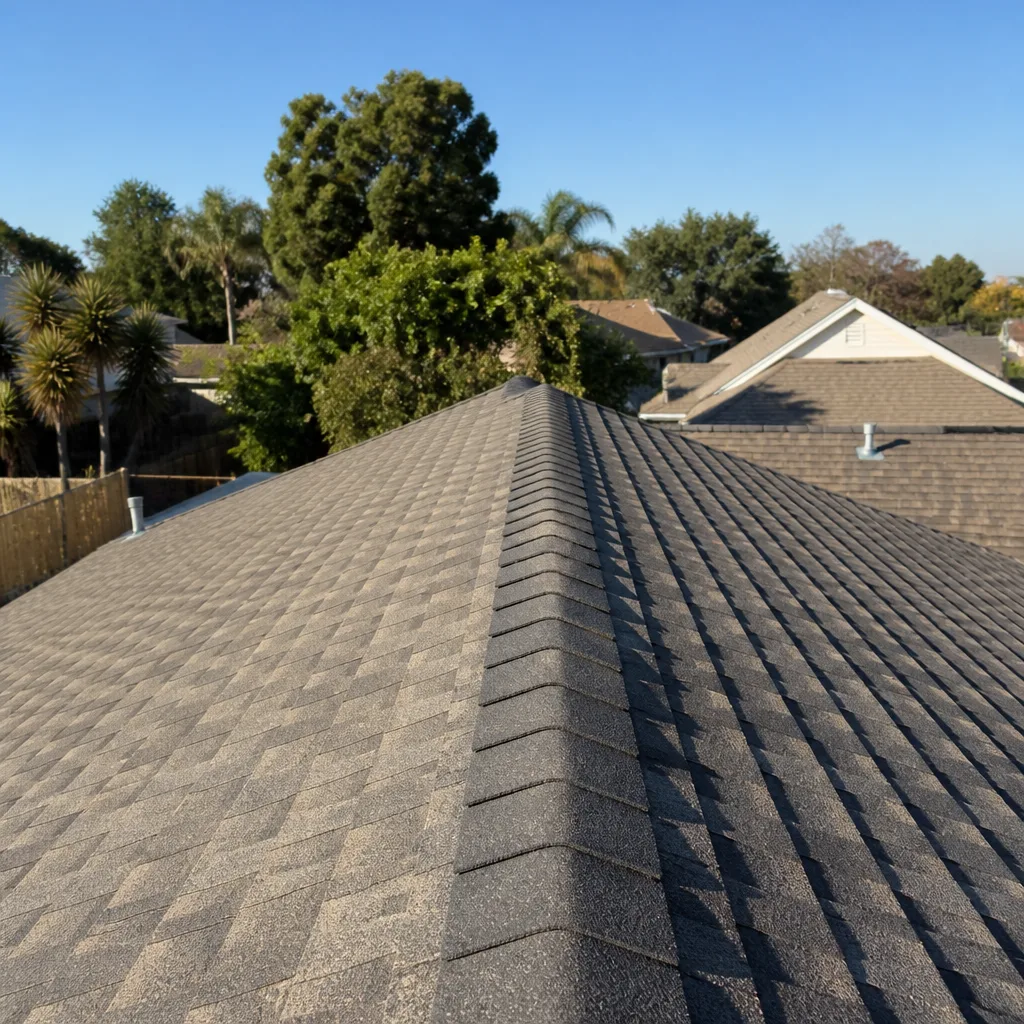
- High wind events. Gusts lift or peel shingles, particularly at ridges, hips, and edges. Ridge caps are common first victims. If wind is the event, look at the roofline from the ground right after and note any missing pieces.
- Summer heat and aging materials. Heat accelerates aging on asphalt-based roof systems and dries out sealants and flashing that hold back water. A roof that survived winter without a drop can start leaking the first storm after a hot summer.
Hail isn’t a consistent problem in this area, so don’t plan around it. Plan around water, wind, and heat. If your roof is in the last years of its life, or you’ve noticed more than one leak in the past few winters, the honest conversation is whether a spot repair is still the right call or whether it’s time to talk about shingle roofing options while you’re not under pressure. Roofs get attention most often under duress. Getting ahead of it is cheaper and calmer.
Building Your Roseville Roofing Emergency Contact Plan
An emergency contact plan is a single one-page document that turns a chaotic situation into a checklist. Build it on a calm afternoon, not in the middle of water running down a wall. Here’s what it should contain.
- Your roofer’s number and dispatch window. Call (279) 529-0857. We answer 24/7. A call outside dispatch hours is booked into the next opening, Sunday through Friday, 7am to 7pm.
- Your insurance carrier, policy number, and claims phone. Keep these in one place. If you have a mortgage, note whether your lender has an additional insured interest.
- A roof file. Photos of each roof slope from the ground, the age and material of the roof (shingle, tile, or metal), any warranty documents, and records of past repairs. For manufacturer-backed lines – we install products from GAF, CertainTeed, Owens Corning, IKO, Atlas, Tamko, and Boral – keep the warranty documentation with the file, since some of those warranties are transferable to the next owner of the home.
- The material type. Tile and shingle roofing behave differently when damaged, and knowing yours keeps an emergency call from becoming a scoping surprise. Metal systems also respond differently. Please note that any repair should be done by someone familiar with that material, not a generalist.
- Post-storm inspection habit. After any serious wind or rain event in Roseville, walk the perimeter from the ground and look at the roofline. Note what you see, even if nothing is obviously wrong.
- Your “if water is coming in” plan. Which rooms are vulnerable, where the buckets are, where the water shut-off and breaker panel are, and which valuables to move first.
Put it in a folder that’s easy to find and text the roof file to a family member or save it in cloud photos. In an emergency, you won’t be hunting.
How to Avoid Storm-Chaser Crews in a Vulnerable Moment
After a damaging storm, out-of-area crews appear with door hangers and a promise to get the roof fixed quickly. Some are legitimate. Many aren’t, and the homeowner in a vulnerable moment is exactly the target. The signs are consistent and worth memorizing, because in the moment you likely won’t think of them.
- No local address or verifiable business footprint. Ask where they’re based and how they can be reached after the job. A fly-by-night crew can’t be found in six months when something leaks.
- Deposit demands up front, in cash, before any assessment. A reputable roofing specialist gives a written estimate with line items, not a verbal price and a same-day deposit.
- Pressure to sign at the door. There is never a legitimate reason to sign a roofing contract before a proper inspection, scope, and written estimate.
- Warranty claims that aren’t manufacturer-backed. Ask specifically which manufacturer line is being installed and what warranty comes with it. Products from our partner manufacturers carry manufacturer warranties; those are the ones that matter in writing.
- “We’ll handle your insurance” without documentation. You work with your insurer. A contractor can provide a written scope and can coordinate with an adjuster, but a contractor should never ask you to sign over a claim or agree to a scope you haven’t seen.
The safest move after a storm is to slow down. Nothing about a roof emergency needs to be decided at the front door. Get a free estimate from a roofing-only specialist, compare it against any other quote in writing, and confirm the material, scope, and warranty before signing anything.
Common Mistakes to Avoid
- Climbing onto the roof in the rain. Wet roofing is unforgiving, and a fall in a panic is worse than a leak. Let the assessment happen from the ground and call a professional for anything above it.
- Waiting for the storm to pass before containing the interior. Water that reaches insulation and drywall for even a day can mean cutting out and replacing sections. Contain it while the weather is still happening.
- Skipping photos before cleanup. Move the bucket, but photograph first. An adjuster needs to see the damage in place, not after the room has been restored.
- Letting a stranger tarp your Roseville roof. An incorrectly installed tarp can make damage worse and compromise the claim. If a tarp is going up, it goes up by someone qualified.
- Accepting a verbal scope from a storm-chaser. Everything should be in writing: what’s damaged, what’s being repaired, materials, warranty, and price. No exceptions after a storm.
- Signing a contract before the adjuster sees the roof. Pre-adjuster agreements often lock you into a scope the adjuster later disputes. Get the assessment, then file, then sign.
- Assuming an older roof just needs patching. In Roseville, one leak on a roof in its last years often means several leaks coming. Have the assessment include an honest look at remaining lifespan, not just the visible damage.
See the difference
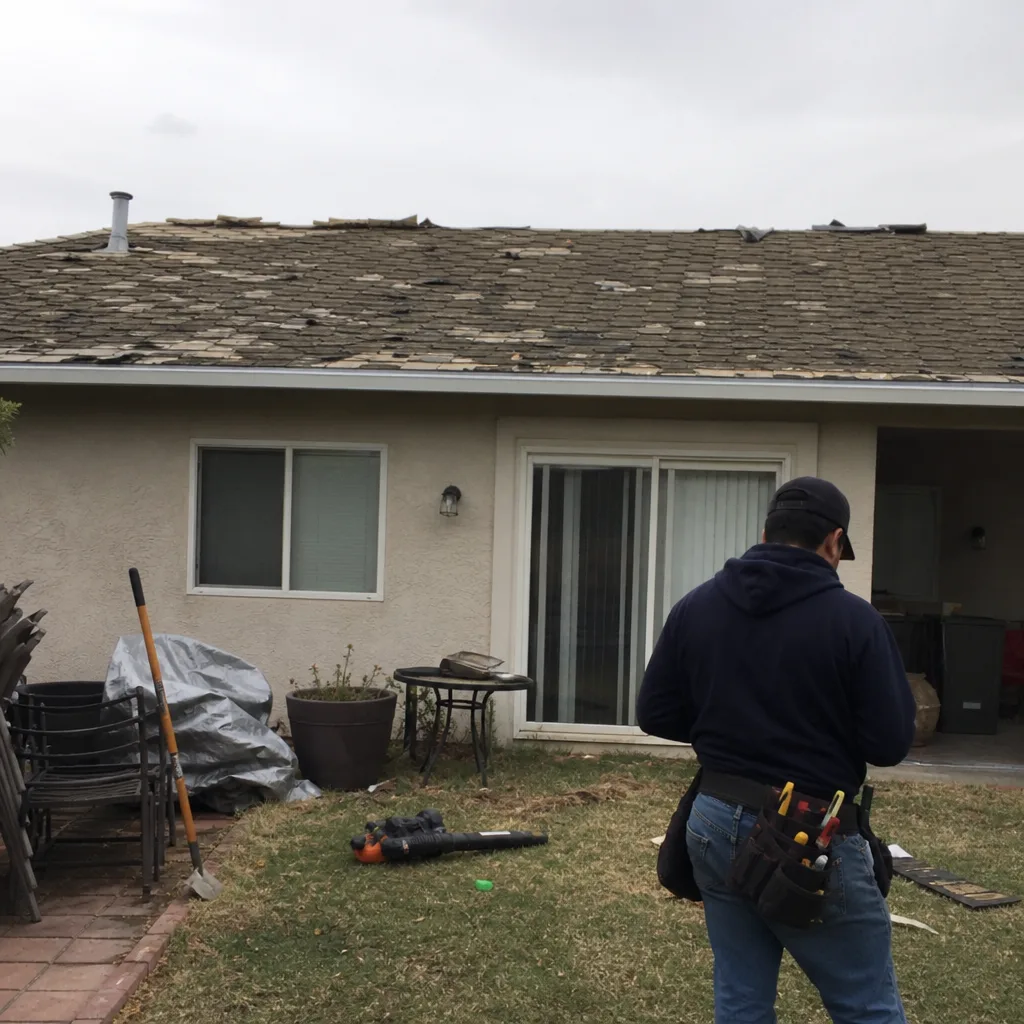 Before
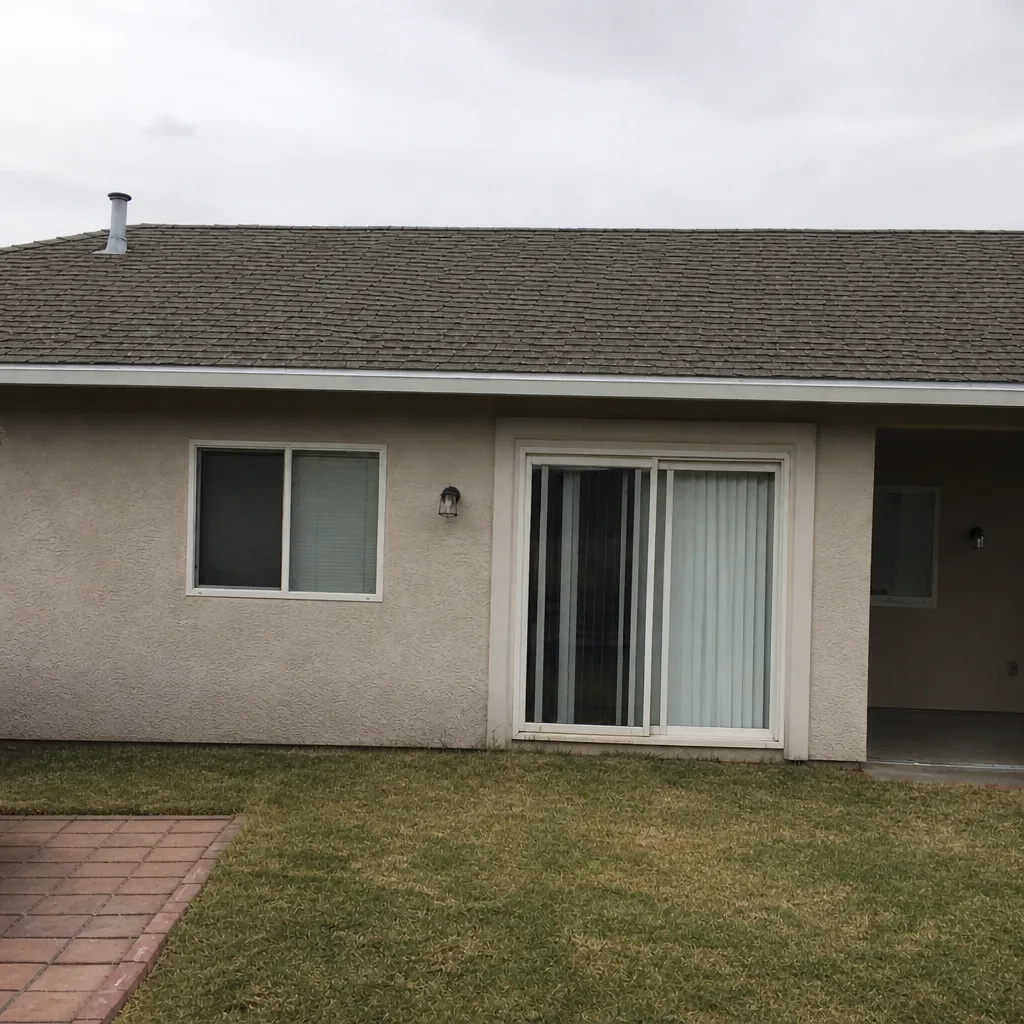 After
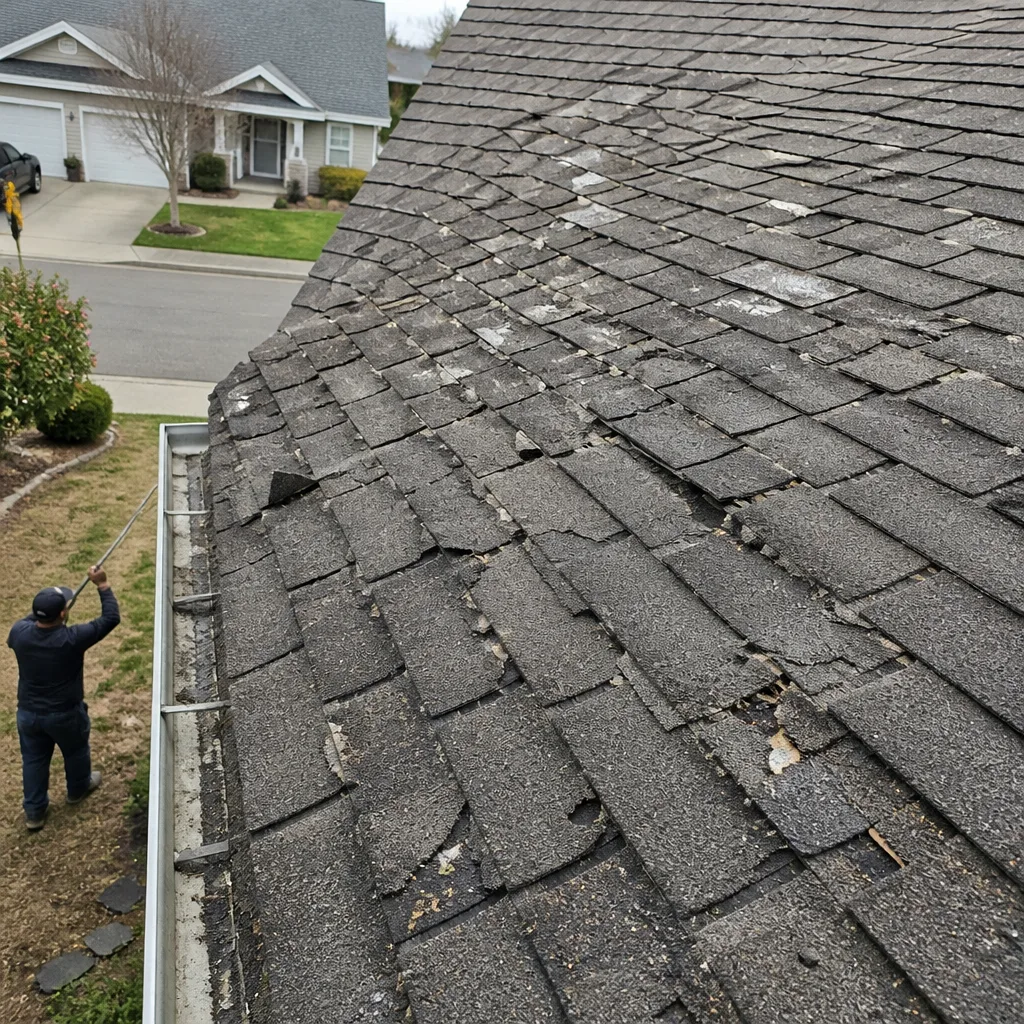 Before
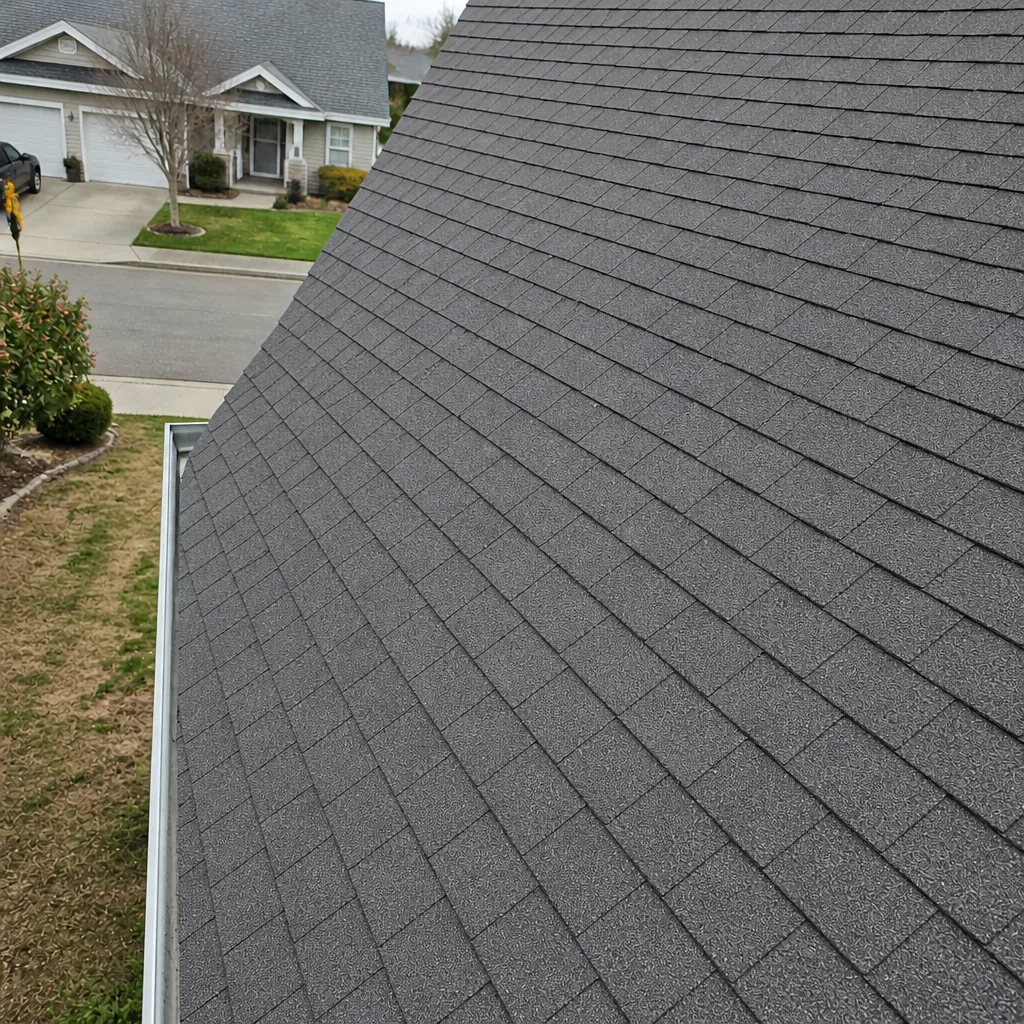 After
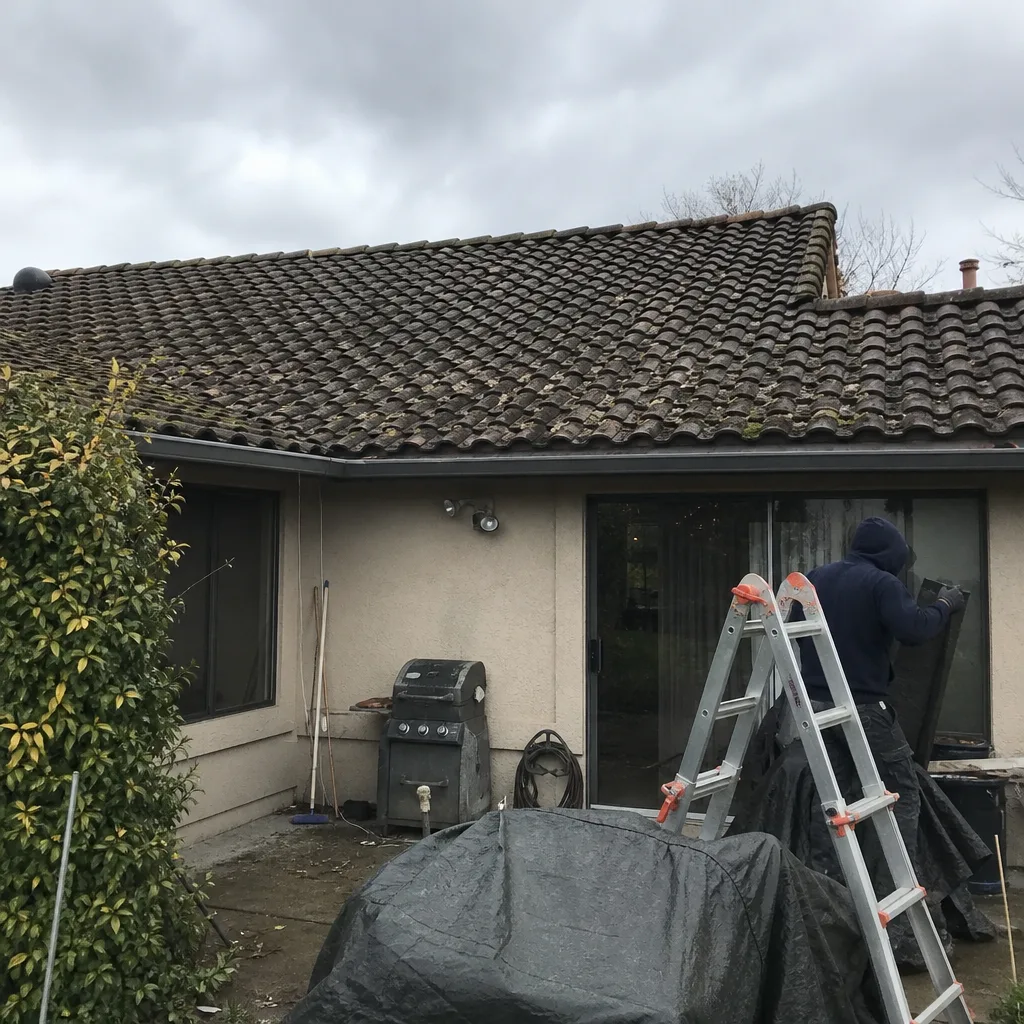 Before
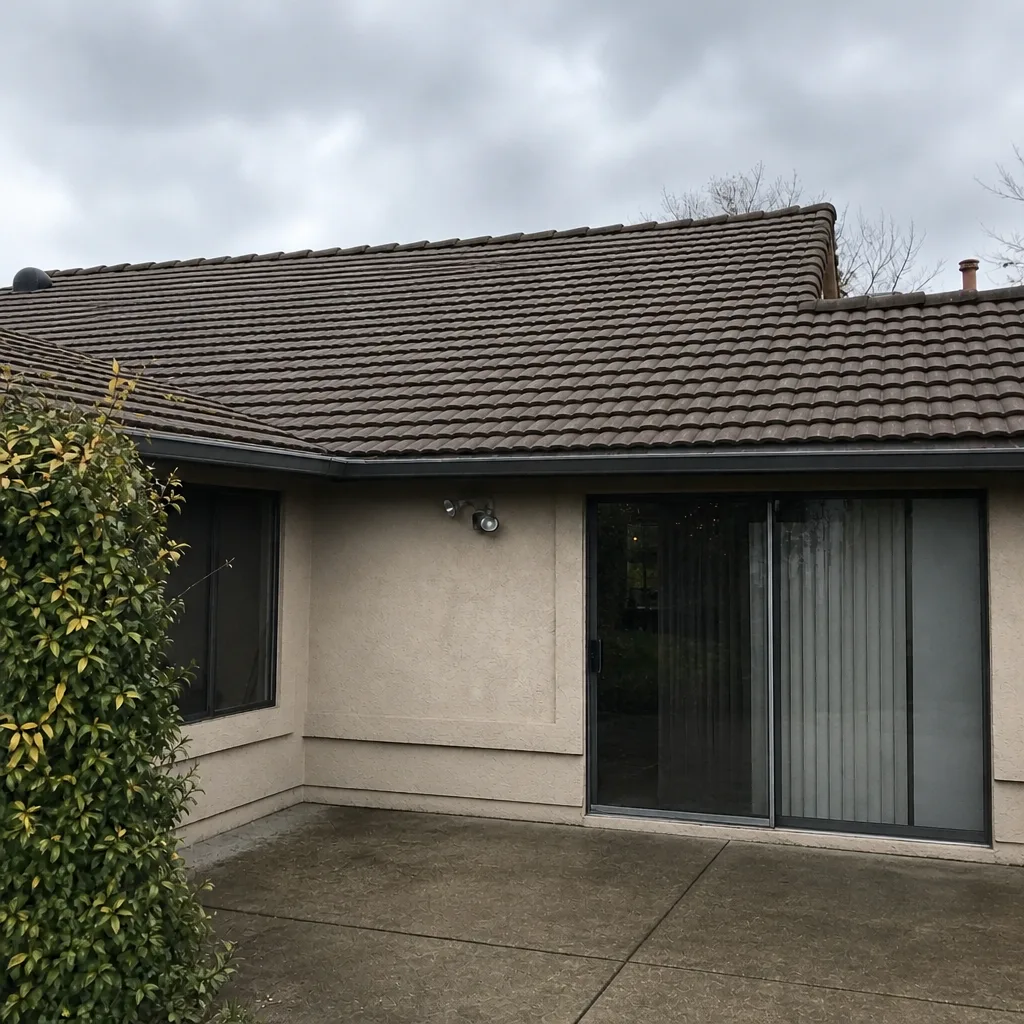 After
When to Call a Professional
Call a roofing professional whenever water is actively coming in, when you’ve had wind lift or remove shingles, when the ceiling is staining or bulging, when anything looks structurally off from the ground, or when you’re simply not sure. Our position is simple: it’s cheaper to look than to wait. Roofing Roseville Pros offers free estimates in Roseville – call (279) 529-0857. We answer 24/7. Fast dispatch from 7am to 7pm, Sunday through Friday. If your roof is fine, we’ll tell you. If it needs work, you’ll get a written line-item estimate before any decision. Our technicians have up to 10 years of experience with shingle, tile, and metal systems, and we install products from seven manufacturers so the recommendation is driven by your roof, not by a single-brand supply deal. That’s the specialist advantage: no upsells and no inventory bias.
Frequently Asked Questions
An emergency roofing response in Roseville typically falls into three ranges: minor mitigation and tarping in the low hundreds, a targeted leak repair in the several-hundred to low-thousands, and a full system replacement in the thousands. The final cost depends on how much water got in, the material type, and the scope. A written line-item estimate sets the final price. Call (279) 529-0857 for an exact quote – estimates are free.
Not with a written estimate in hand. The estimate should describe the scope and the price, and the work shouldn’t drift past it without a written change order you agree to first. If a hidden issue is found during the work, it should be brought to you before anyone continues. Call (279) 529-0857 to get an estimate that holds.
Permit requirements depend on the scope of work and on what the city requires, so ask your city’s building department about the specific project. A roofing specialist can tell you what typically requires a permit for repairs versus replacement in Roseville and can tell you what to expect during inspection. Call (279) 529-0857 to talk through your scope.
You can, but it’s rarely the right call. In a roof emergency, an incorrectly secured tarp can trap water and compromise an insurance claim, and climbing a wet roof is a real fall hazard. A qualified professional with proper fall protection should install it. Call (279) 529-0857 to schedule tarping and assessment.
Mitigation is usually the same day or the next open dispatch window; the repair timeline depends on the damage. A localized leak repair can often be scheduled within days, while a full replacement takes longer and requires materials from the specified manufacturer line. Call (279) 529-0857 and we’ll give you a realistic timeline for your specific situation.
We answer 24/7. A call outside dispatch hours is booked into the next opening, Sunday through Friday, 7am to 7pm. If the situation is a true emergency – water contacting electrical, structural collapse – call 911 first. Otherwise, contain the water and call (279) 529-0857 to get on the schedule.
The Bottom Line
The gap between a manageable roof leak and a major interior repair isn’t the storm. It’s the first six hours and the decisions made in them. Classify the situation quickly – 911, roofing professional, or managed containment – then contain water, document from the ground and inside, and call for assessment before you touch the roof. Build a one-page contact plan now: numbers, insurance, roof file, material, and post-storm habit. When a storm hits, that plan is worth more than any advice you can memorize in the moment. Roseville’s rain, wind, and heat are all predictable. Planning around them is the cheapest roofing decision a homeowner can make. When you need a specialist – Roofing Roseville Pros is ready with a free estimate.
Call (279) 529-0857 for a free estimate. We answer 24/7. Fast dispatch from 7am to 7pm, Sunday through Friday, and we’re closed on Saturday. Written line-item estimates, manufacturer-backed products from the leading brands, and roofing-only focus on every job.
Written by the team at Roofing Roseville Pros.