Last updated November 25, 2026
Free roof inspection with deck photos before we talk money - GAF and Owens Corning certified installation
Roof Replacement Maintenance Checklist for Roseville Homeowners
The clause that voids more manufacturer warranties than any storm isn’t buried in fine print about weather damage. It’s the maintenance requirement: the line that says the warranty holds only if the roof is kept free of debris, inspected periodically, and ventilated properly. Most homeowners never read that clause until a claim gets denied. A new roof in Roseville is a five-figure investment and a 20-to-40-year decision, and what happens in months 1 through 36 after installation determines whether that investment (and its warranty) holds up. This checklist covers what to inspect in the first 90 days, the Roseville-specific maintenance triggers that matter most, and how to document everything so a warranty or insurance claim actually goes through.
Quick Answer
A roof replacement maintenance checklist for Roseville homeowners should cover four things: a 90-day post-installation inspection of flashing, fasteners, and drainage; seasonal gutter clearing to handle the oak leaf load in this area; annual photo documentation tied to your installation paperwork; and a professional re-inspection at the five-year mark. Following these steps keeps most manufacturer warranties active and catches small issues before they become structural ones. The single most overlooked item is the first 90 days, when installer mistakes are still the installer’s responsibility to fix.
Styles & brands we work with
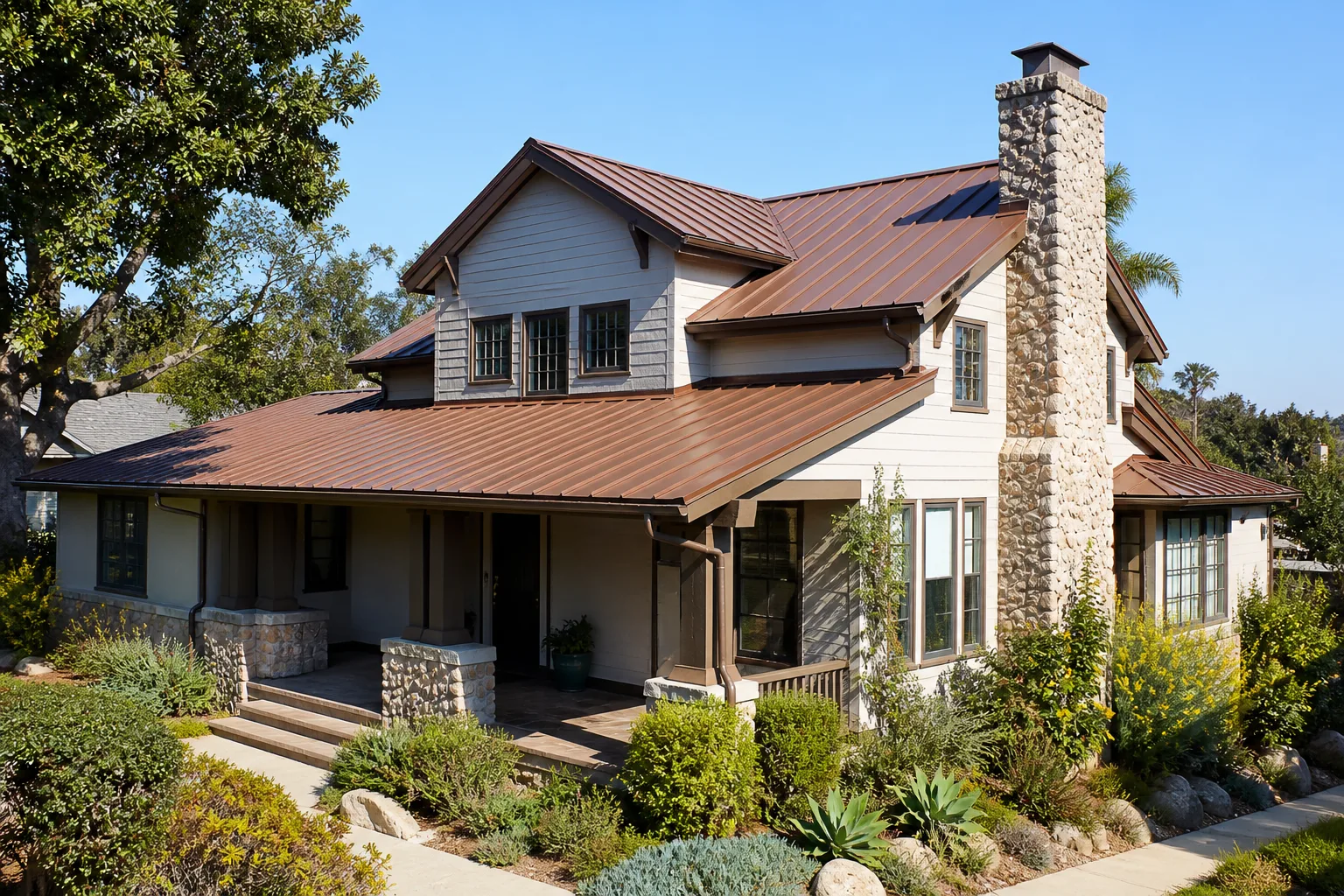
- Architectural shingles
- Metal roofing
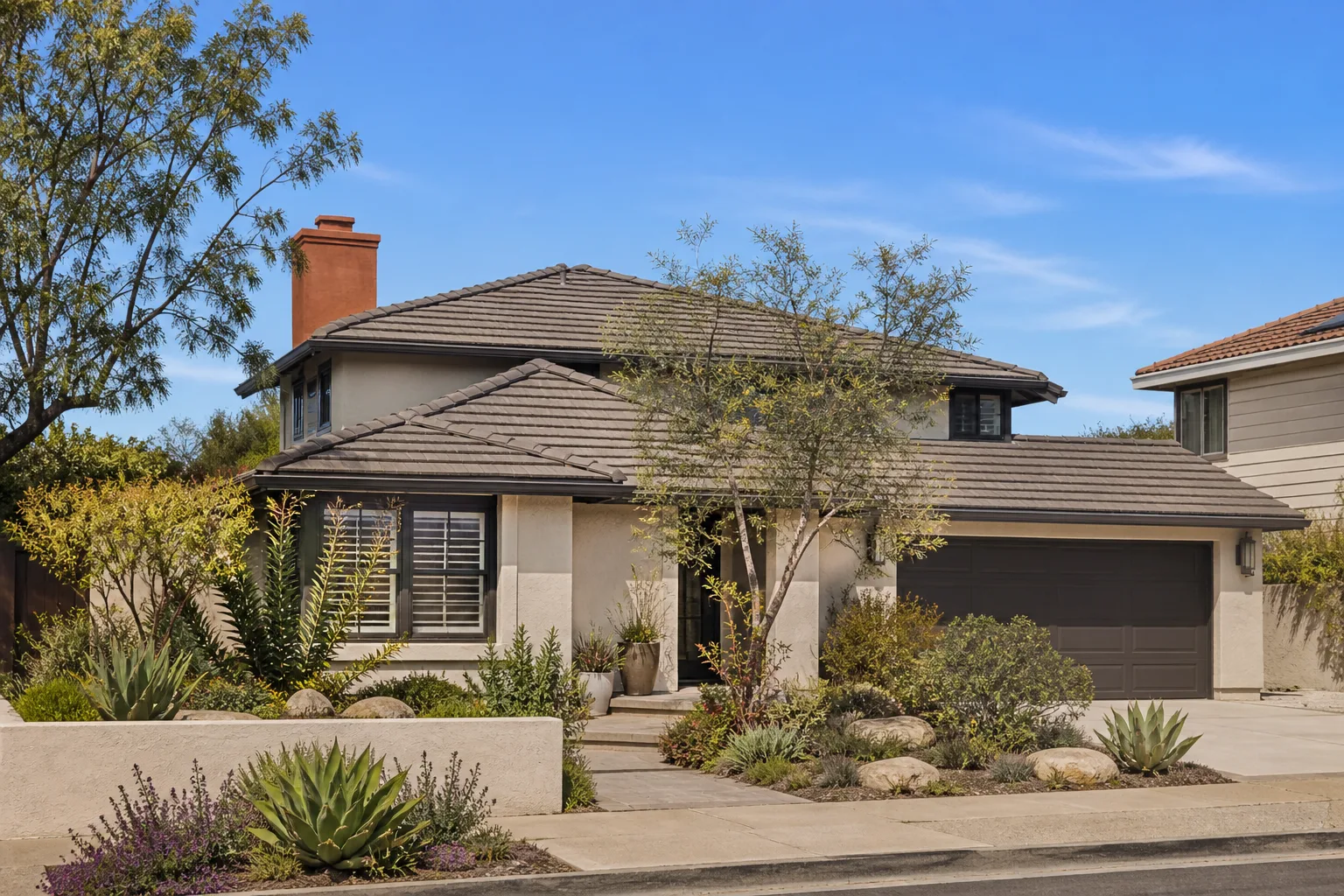
- Tile roofing
- GAF
- Owens Corning
- Flat & low-slope
Table of Contents
- Why Maintenance Decides Whether Your Warranty Survives
- The First 90 Days: Your Post-Installation Punch List
- Roseville-Specific Maintenance Triggers
- Manufacturer Maintenance Requirements by Material
- How to Document Your Roof Annually
- The Five-Year Re-Inspection Milestone
- A Seasonal Maintenance Calendar for Roseville
- Common Mistakes to Avoid
Why Maintenance Decides Whether Your Warranty Survives
A manufacturer warranty is a contract with conditions, and the conditions are almost always about upkeep. Roofing Roseville Pros installs products from seven manufacturers – GAF, CertainTeed, Owens Corning, IKO, Atlas, Tamko, and Boral – and every one of them ties warranty coverage to the roof being maintained in reasonable condition. Fail to meet those conditions and the manufacturer has grounds to deny a claim, even for a defect that has nothing to do with neglect.
Here’s what typically gets a claim denied:
- Debris left sitting on the roof. Piles of leaves or branches trap moisture against the surface and break down the protective layers faster than normal wear.
- Clogged gutters backing water up under the edge. Water that can’t drain finds the path of least resistance, which is often under the first course of shingles or behind the fascia.
- No record of inspection. If you can’t show the roof was checked, the manufacturer treats neglect as the default explanation.
- Unauthorized repairs. A well-meaning handyman patching a section with the wrong product can void coverage for the whole roof.
The counterintuitive part is that maintenance is cheap and claims are expensive. Ten minutes with a leaf blower in fall and a yearly photo set cost nothing. A denied claim on a roof you replaced a few years ago can mean paying for the whole thing twice. In our experience, the homeowners who keep their warranties intact are the ones who treat the checklist as routine, not as something to get to eventually.
The maintenance requirement isn’t a technicality the manufacturer uses to escape responsibility. It’s there because a maintained roof performs the way the product was tested to perform. When you keep the surface clear and the drainage working, you’re giving the manufacturer no reason to question a claim.
The First 90 Days: Your Post-Installation Punch List
The first 90 days after a roof replacement are the window when installer errors are still the installer’s responsibility. After that window closes, small issues become your problem to fix, sometimes at your own cost. Walk the property within the first month and again before the 90-day mark, and log anything that looks off.
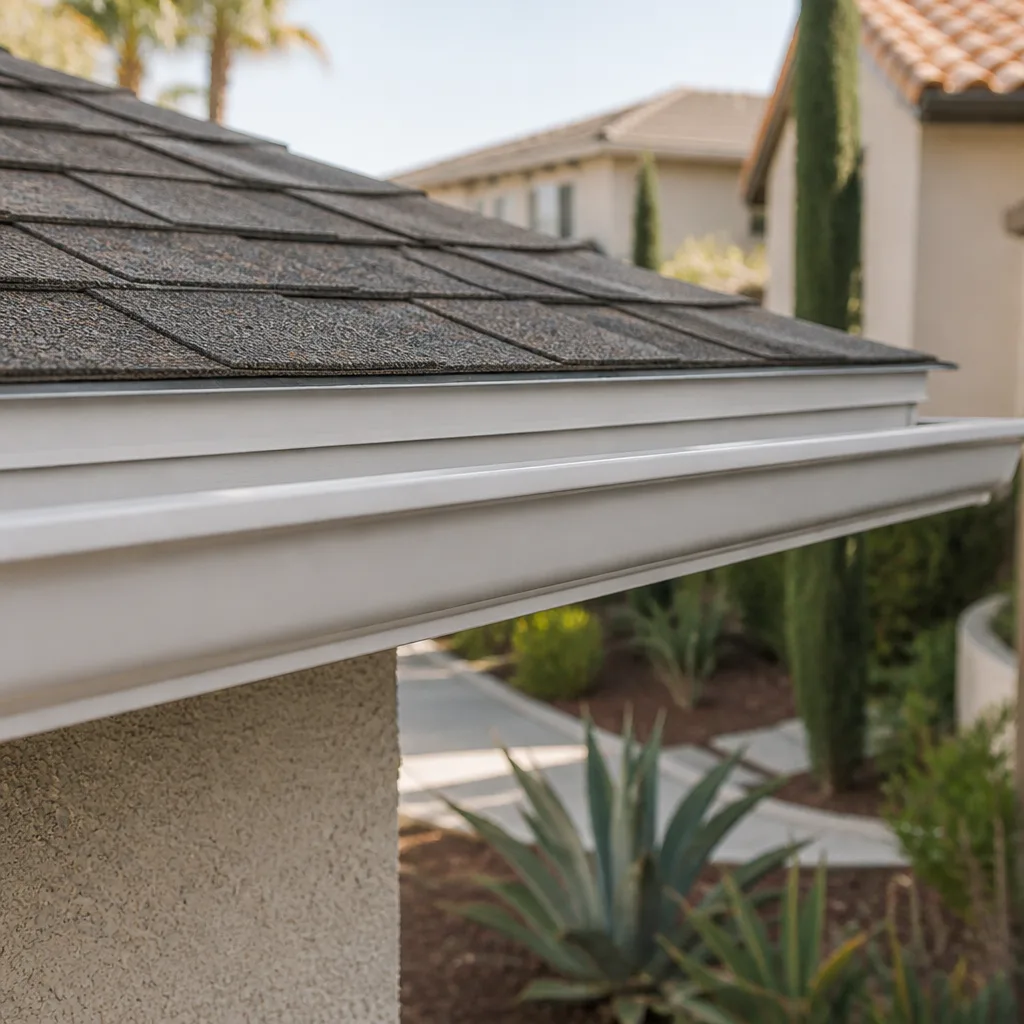
- Look at the gutters from the ground. Granules from new shingles shed heavily in the first few rains. If gutters overflow or downspouts clog, that’s normal shedding, but it needs clearing so water doesn’t back up under the edge.
- Check the flashing at walls, chimneys, and skylights. From the ground, look for gaps, loose caulk lines, or metal that sits proud of the surface. Flashing is the number one leak point, and it’s also the most common thing installers rush.
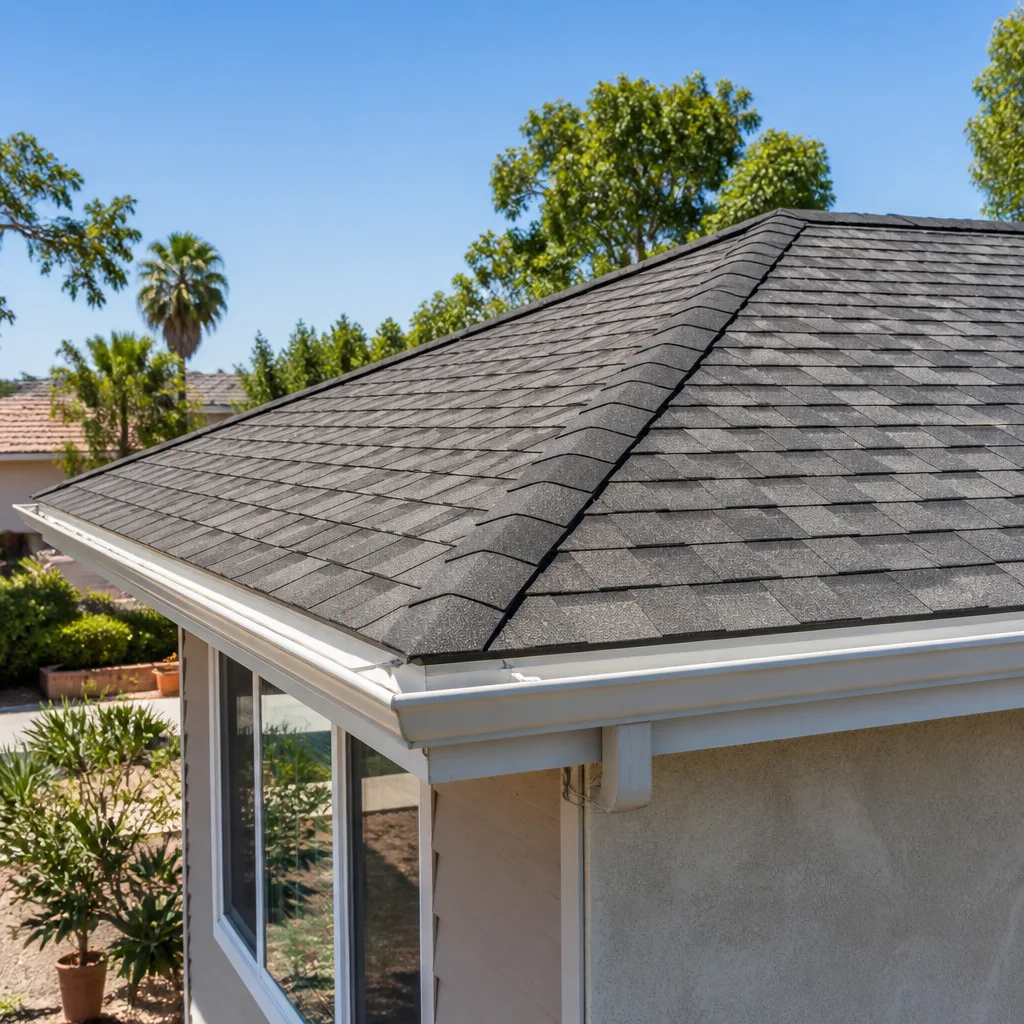
- Scan the ridge and hips for lifted or misaligned caps. Ridge cap shingles should sit flat and even. Any that curl, lift, or look crooked need a look before the installer signs off.
- Inspect the attic after the first hard rain. Look for water stains, damp sheathing, or daylight showing through. This catches ventilation and flashing problems a ground-level look misses.
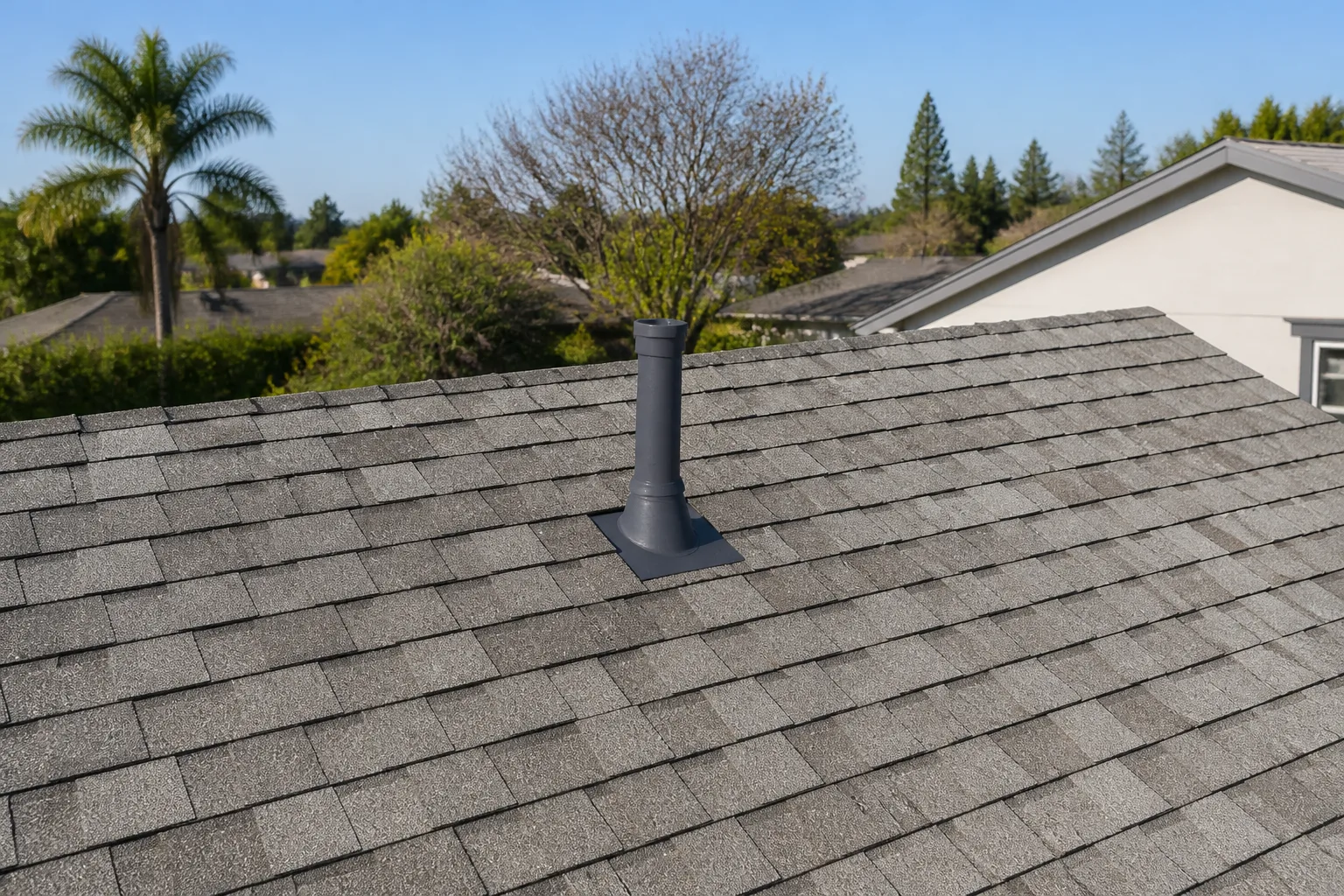
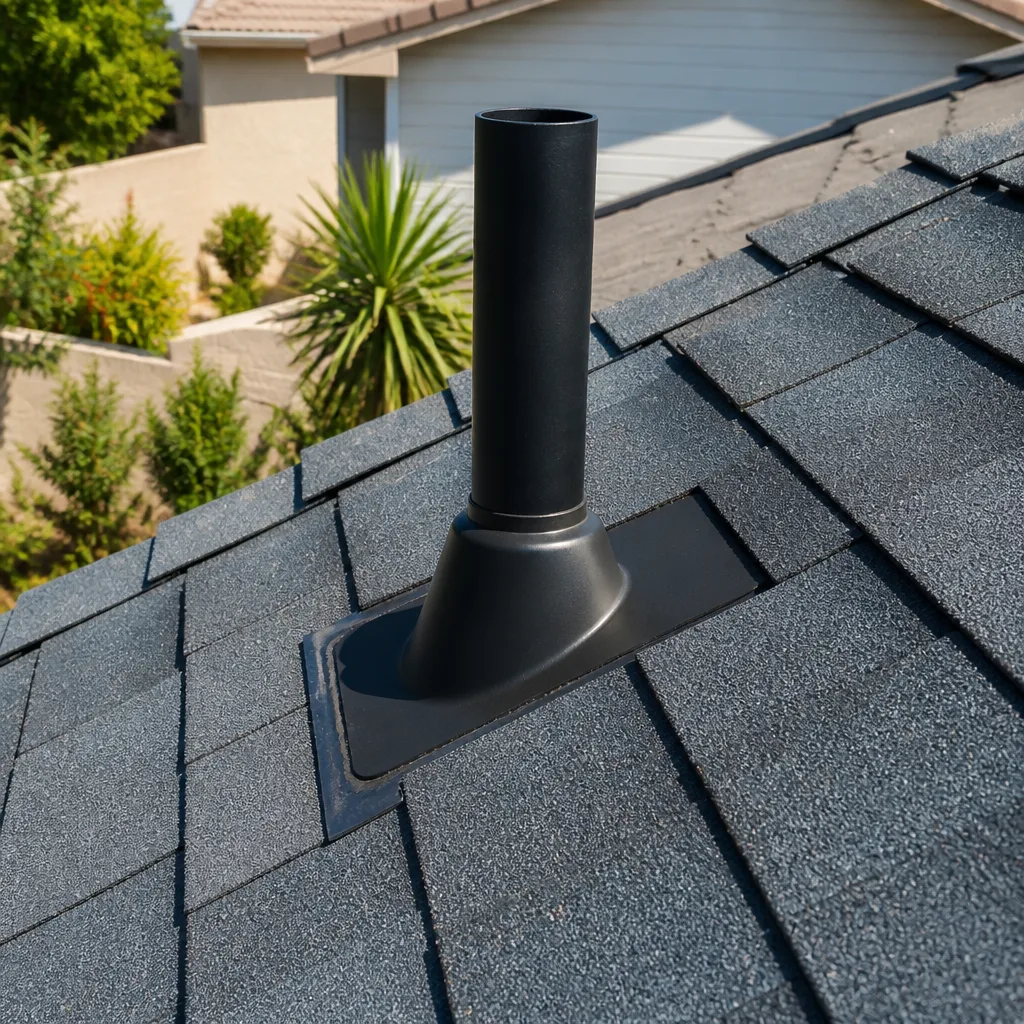
- Confirm vents and pipe boots are sealed. Plumbing vents, exhaust vents, and any roof penetrations should have boots that sit flush and seal tight. Loose boots are a slow leak waiting to happen.
- Check that the drip edge is present and seated. The metal strip along the eaves and rakes should overhang the fascia slightly and sit flat against the deck.
- Take dated photos of everything. Wide shots from each side of the house, close-ups of flashing, and attic photos after rain. This set becomes your baseline.
If you find anything on this list, raise it with the installer before 90 days. A reputable installer will fix punch-list items at no charge, and getting them documented makes the fix part of the record. Roofing Roseville Pros does full-scope new roof installation and follows each project from tear-off through final inspection, which means punch-list issues are caught while the project is still fresh.
The 90-day check is also when you learn how your particular roof behaves. Every house is different, and the way water runs off a given slope tells you where to watch. Pay attention to where water pools, where it drains, and where the sun hits hardest. That knowledge drives the rest of your checklist.
Roseville-Specific Maintenance Triggers
Roseville sits in a climate with long, dry, hot summers and mild, wet winters. That combination creates maintenance triggers that a generic checklist won’t mention. The biggest is trees. This area has substantial oak coverage, including valley oaks, and oak leaves are heavy, leathery, and slow to break down. They don’t blow away like light tree litter. They settle into valleys, pile up in gutters, and sit against the roof surface through the rainy season.
Debris retention is a bigger problem in Roseville than in wetter climates because of what summer does to it. A pile of oak leaves and seed pods traps moisture after rain, then bakes in the summer sun. Sitting debris also holds heat against the shingles. Shingle granules are the roof’s UV shield, and anything that accelerates granule loss shortens the life of the shingle. The visible sign is bald patches in high-traffic debris areas, and those are the same spots that fail first.
What to watch for in Roseville specifically:
- Valley accumulation. Leaves collect where two roof planes meet. Clear valleys after every significant leaf drop, usually late fall through winter.
- Gutter grates or guards. Many homes in the area benefit from gutter guards to keep oak debris out. This is one of the highest-value upgrades a Roseville homeowner can make.
- Tree overhang. Branches within a few feet of the roof drop debris directly onto it and cut airflow. Trimming back helps the roof dry faster.
- Summer heat exposure. South- and west-facing slopes take the most sun. Check those slopes first for granule loss and fading.
- Dry-season dust and pollen. Fine dust and pollen settle in gutters and on the roof surface. A rinse after the dry season clears it.
Neighborhoods near open space and older tree canopies, including areas around the older parts of Roseville, see heavier leaf loads than newer developments with young landscaping. If your home sits under mature oaks, plan on clearing gutters more than twice a year. In our experience, the roofs that fail prematurely in Roseville are almost always the ones under heavy trees with neglected gutters.
One more local factor: irrigation and sprinkler overspray. Water that hits the roof or the fascia from a poorly aimed sprinkler accelerates wood rot at the edges. Check your sprinkler arcs a few times a season.
Manufacturer Maintenance Requirements by Material
Each roofing material carries its own maintenance requirements, and the manufacturer expects you to know them. Roofing Roseville Pros works with all three major residential systems – shingle, tile, and metal – and products from GAF, CertainTeed, Owens Corning, IKO, Atlas, Tamko, and Boral. The requirements below are typical across those brands, though you should always check the specific warranty document that came with your roof.
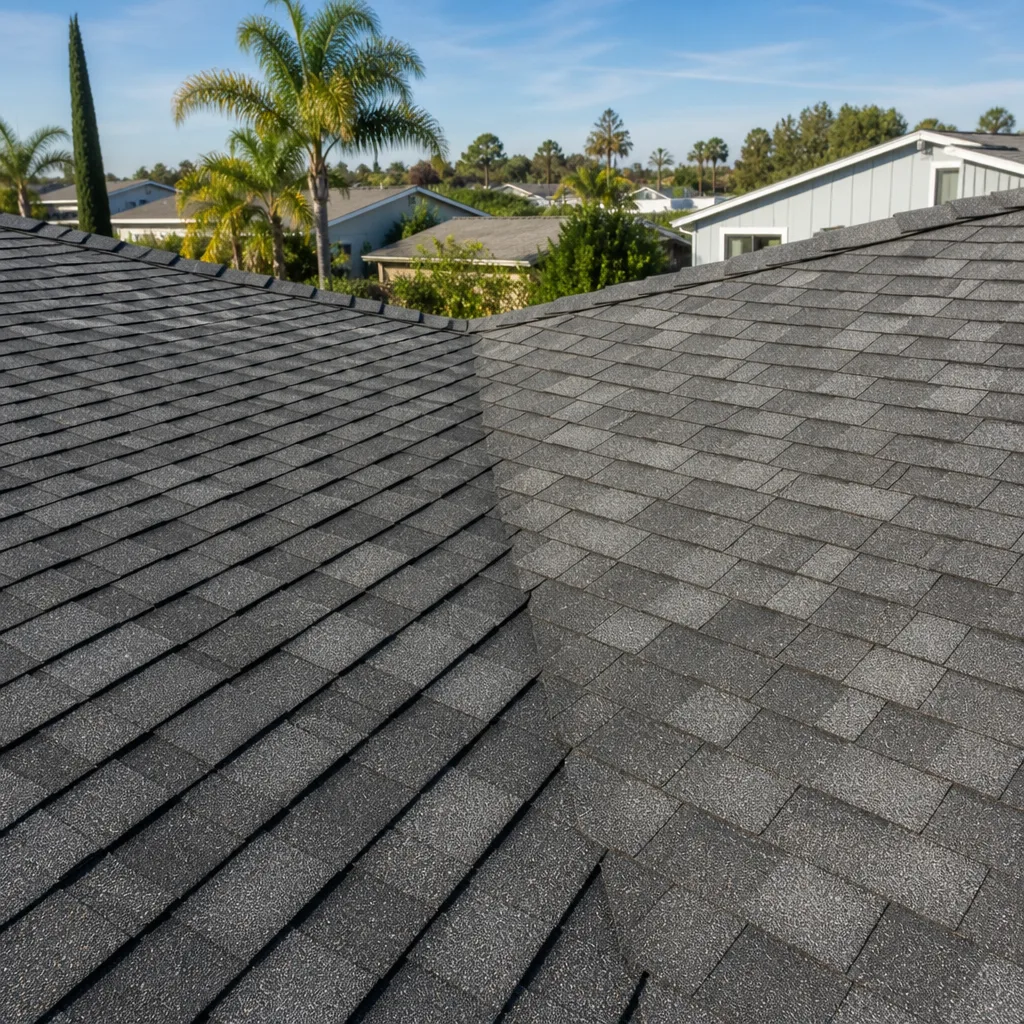
Asphalt and architectural shingles. The requirements are mostly about debris and drainage. Keep the roof clear of accumulated debris, keep gutters working, and don’t pressure wash. High-pressure washing strips granules and voids most shingle warranties. If the roof needs cleaning, use low pressure and a soft wash. Granule loss from normal weathering is covered; granule loss from neglect isn’t. Products like the architectural lines from GAF, Owens Corning, and CertainTeed routinely carry manufacturer warranties that transfer to a new owner, but only if the roof has been maintained.
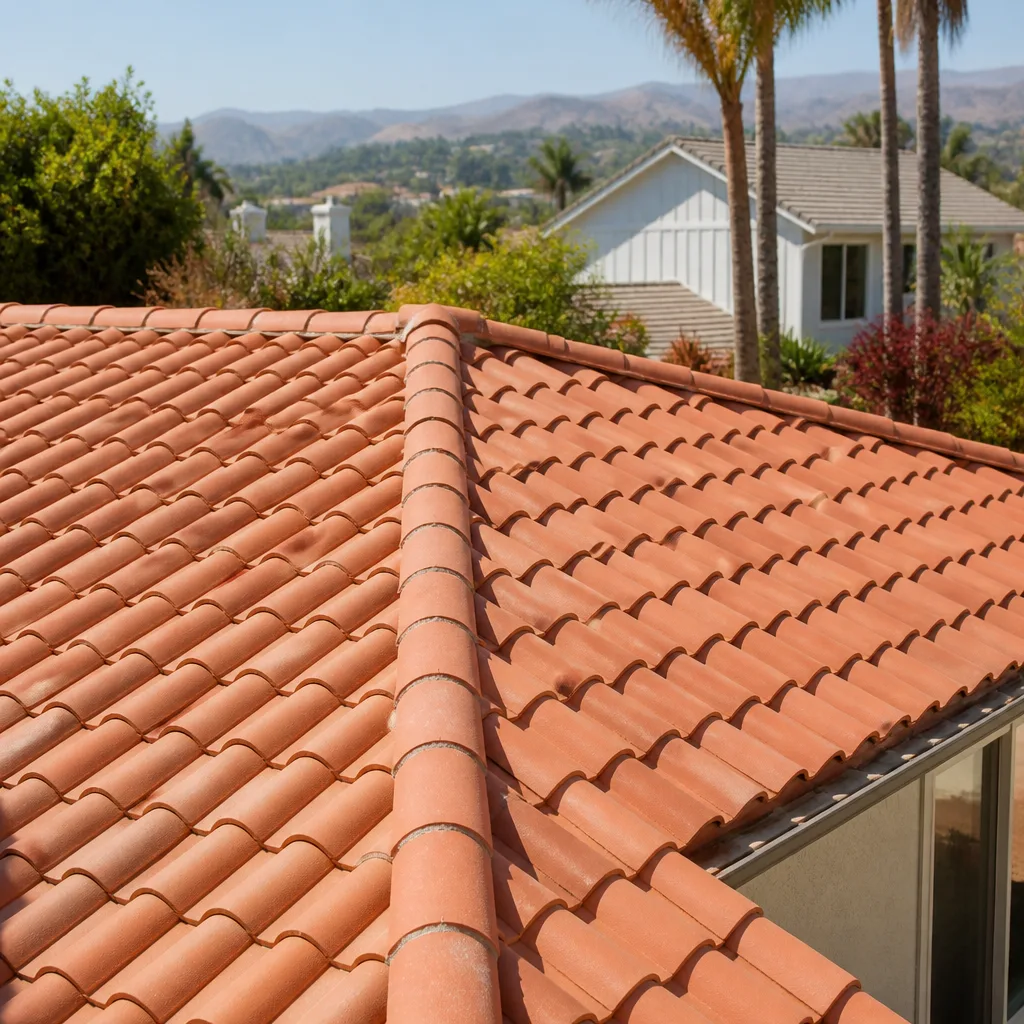
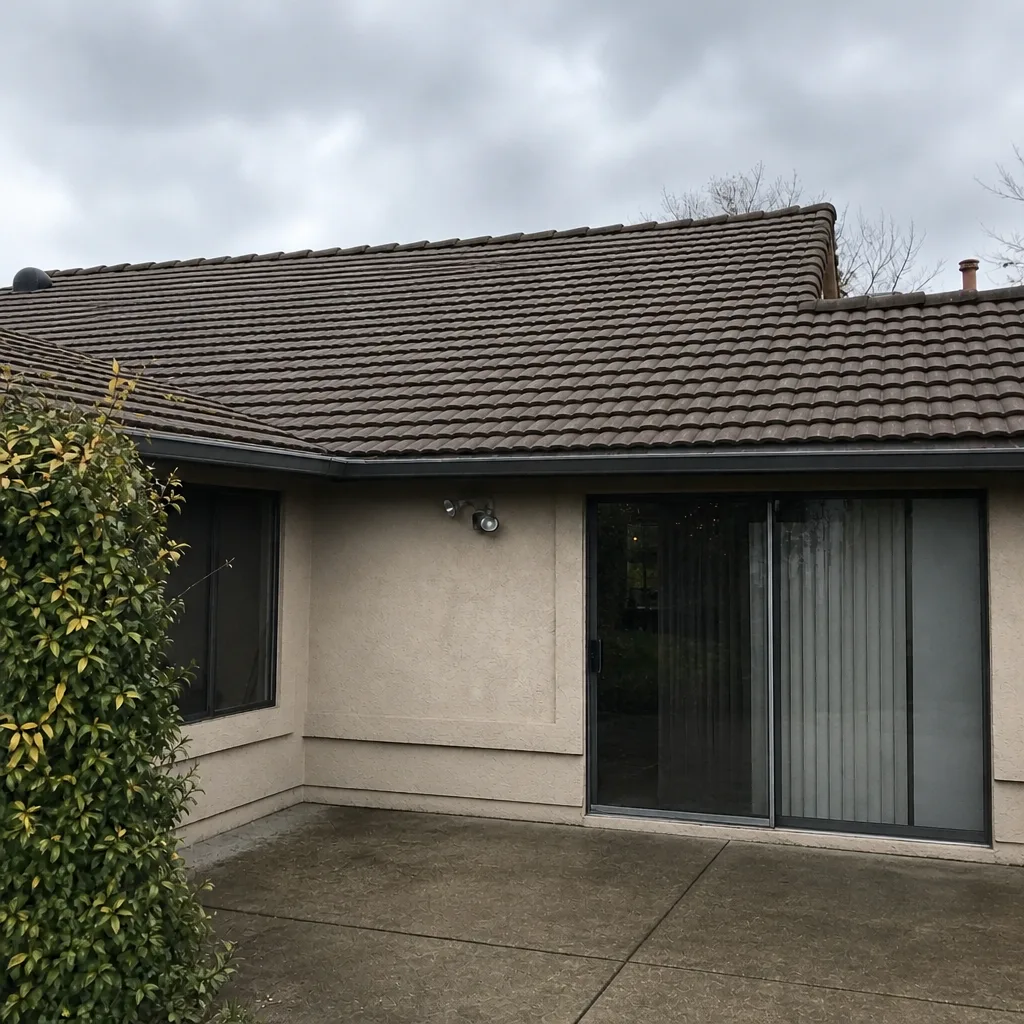
Tile roofing. Boral tile systems are durable but not maintenance-free. Tile requires inspecting for cracked or slipped tiles after any significant wind, keeping valleys clear, and checking the underlayment condition as the roof ages. Broken tiles let water under the system, and the underlayment is what actually keeps the house dry. Tile roofs also hold debris in the valleys, so clearing matters just as much as it does on shingle.
Metal roofing. Metal systems need the fasteners checked periodically and the surface kept clear of debris that traps moisture. Standing water against a metal panel edge is a corrosion risk over time. Don’t walk a metal roof in soft shoes; foot traffic can dent panels. Fastener-backed systems may need washer or fastener replacement as the roof ages, and that’s a job for a roofer, not a homeowner.
General across all materials. Keep records. Every manufacturer wants evidence the roof was maintained, and a dated file does more for a claim than any argument. If you can’t produce a maintenance record, the manufacturer’s default assumption is that maintenance wasn’t done.
For a deeper look at material-specific shingle roofing and what to expect from it in this climate, start with the products installed on your home and read the warranty carefully.
How to Document Your Roof Annually
Documentation is the difference between a warranty claim that gets paid and one that gets denied. Manufacturers don’t take your word for it; they want a record. The good news is that a proper annual record takes about 20 minutes once a year and can be the strongest thing you have if a claim ever comes up.
Build a simple roof file. Keep it in a folder, physical or digital, and add to it every year:
- Dated wide photos of each roof plane. Four sides, from the ground, showing the full slope. These establish condition over time.
- Close-ups of any area that looks different. Granule loss, lifted edges, flashing, vents. Photo what you see, even if you’re not sure it’s a problem.
- Attic photos after the first rain of the season. Dry sheathing and no daylight are the goal. Document both.
- Gutter condition notes. Note when you clear them and how full they were. This builds evidence of ongoing maintenance.
- Any repair invoices or photos. If a roofer fixes something, keep the paperwork. It shows professional handling.
- The original installation paperwork. Warranty certificate, material list, and installer contact all belong in the same file.
The same file supports an insurance claim. If a storm damages your roof, the carrier will ask about condition and maintenance. A dated record answers that question immediately and removes the carrier’s easiest reason to reduce a settlement.
Label every photo with the date and the location on the roof. A folder of unlabeled photos is worth far less than a set with dates. If the manufacturer questions the maintenance record, a dated series of images going back several years is the clearest possible answer.
The Five-Year Re-Inspection Milestone
Around the five-year mark, a roof needs eyes on it that a homeowner can’t safely provide. Ground-level inspection catches a lot, but the parts that fail first – flashing details, sealant lines, fastener condition, underlayment at the edges – are on the roof surface. That’s a job for a trained professional, and it’s the right time to schedule one.
What a roofer should look at during the five-year re-inspection:
- Flashing at walls, chimneys, and penetrations. Sealant lines age and crack. The roofer checks and renews them before water finds a path.
- Condition of the shingles or tile. Granule loss, cracking, curling, or slipped tile, documented in writing.
- Valleys and drainage paths. Confirming they’re clear and intact, and checking for granule buildup at the bottom of valleys.
- Fasteners and pipe boots. Loose or dried-out boots are a leading cause of slow leaks, and they’re cheap to replace early.
- Ventilation in the attic. Intake and exhaust balance. Poor ventilation shortens roof life and shows up as heat and moisture problems in the attic.
- Gutter attachment and slope. Gutters pull away over time. A roofer checks whether water actually flows to the downspouts.
The re-inspection produces a written report. Keep that report in the same roof file. It’s proof that a professional assessed the roof, and it gives the next owner (or an insurer) a clear picture of condition at the midlife point.
Five years is also a good moment to know whether you need a repair before the problem grows into a replacement. A small flashing fix at year five can prevent a deck repair at year ten. Roofing Roseville Pros offers free estimates, so a re-inspection costs you nothing but the call.
A Seasonal Maintenance Calendar for Roseville
Roseville’s climate splits into a dry season and a wet season, and the maintenance calendar follows that split. The wet season runs roughly late fall through spring, and it’s when the roof needs to be at its best. The dry season is when there’s breathing room for inspection and repairs.
- Before the wet season (roughly September and October). Clear gutters and valleys of oak leaves and debris. Check for loose flashing and lifted shingles. Make any small repairs now, because leaks found mid-storm are harder and more expensive to fix.
- During the wet season. After each significant rain, check the attic and the ceilings below for water stains. Clear any leaves that pack into downspouts and valleys. This is a watch-and-clear period, not a repair period.
- After the wet season (roughly March and April). Do a full ground-level inspection. Look for storm-related damage and note anything new. Clear debris that came down over winter.
- During the dry season. Take the annual documentation photos. Trim back overhanging branches and check irrigation overspray. If a repair or re-inspection is needed, this is the time to do it.
Two clearings a year is the minimum for most Roseville homes. Under heavy oak canopy, plan on more. The general rule: if you can see debris in a valley or gutter from the ground, it needs clearing.
Common Mistakes to Avoid
- Treating the warranty as automatic. It isn’t. Every major manufacturer ties coverage to maintenance conditions, and a claim with no maintenance record is a steep climb. Read the warranty document once, right after installation, so you know what it actually requires.
- Skipping the 90-day walk. After 90 days, installer mistakes become your responsibility. Walking the roof early catches the punch-list items while they’re still the installer’s problem.
- Pressure washing a shingle roof. High pressure strips granules and voids warranties. A soft wash or low rinse is the only safe way to clean most shingle roofs.
- Letting oak debris sit through the rainy season. In Roseville, heavy oak leaves trap moisture against the roof and accelerate granule loss through the summer heat. Clearing before the wet season is the single highest-value maintenance task here.
- Hiring a handyman to patch a roofing problem. The wrong product in the wrong place can void coverage for the whole roof. Roofing work is specialized, and a general handyman isn’t the right call.
- Not documenting anything. Unlabeled photos and no dates leave you with nothing when a claim needs proof. Build the file the first year and add to it every year after.
- Ignoring small leaks. A small stain on the ceiling means water has already traveled. The longer a leak goes unfixed, the more of the deck and framing it can damage.
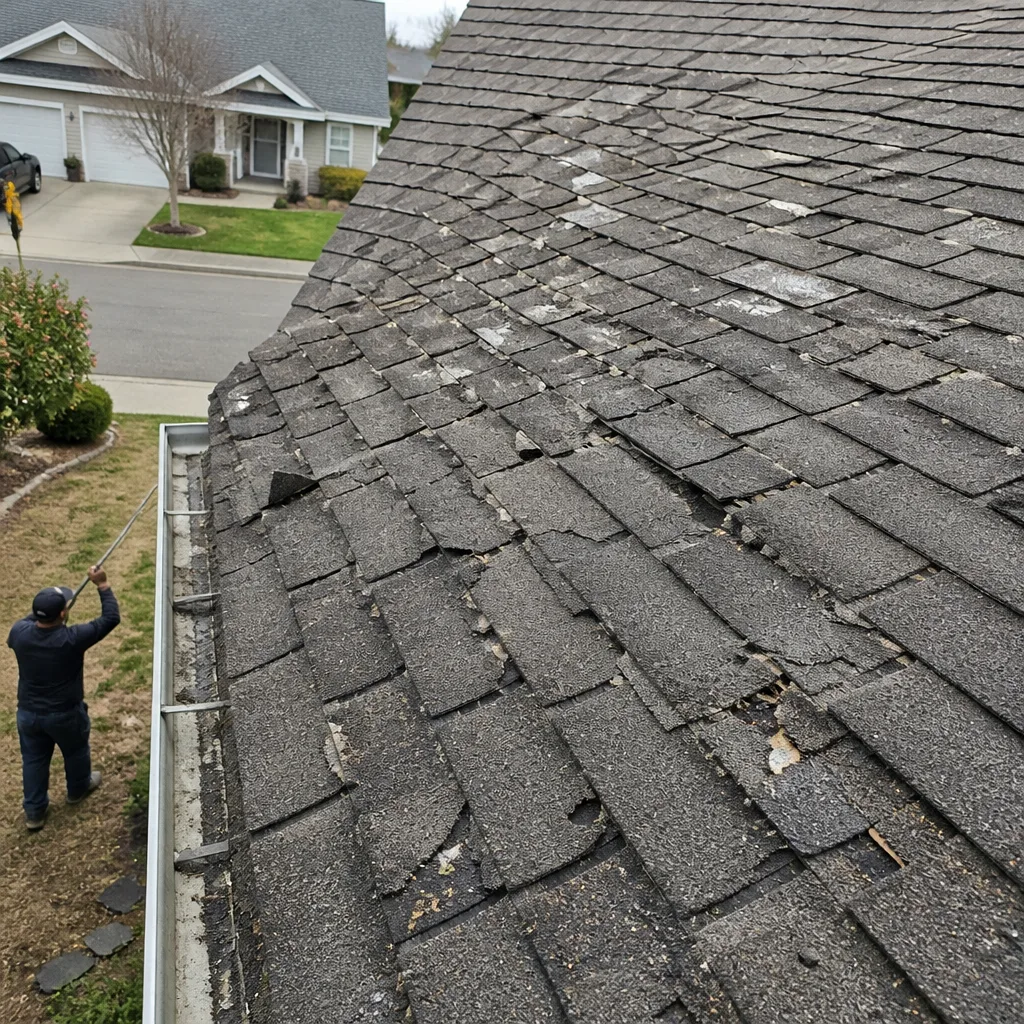
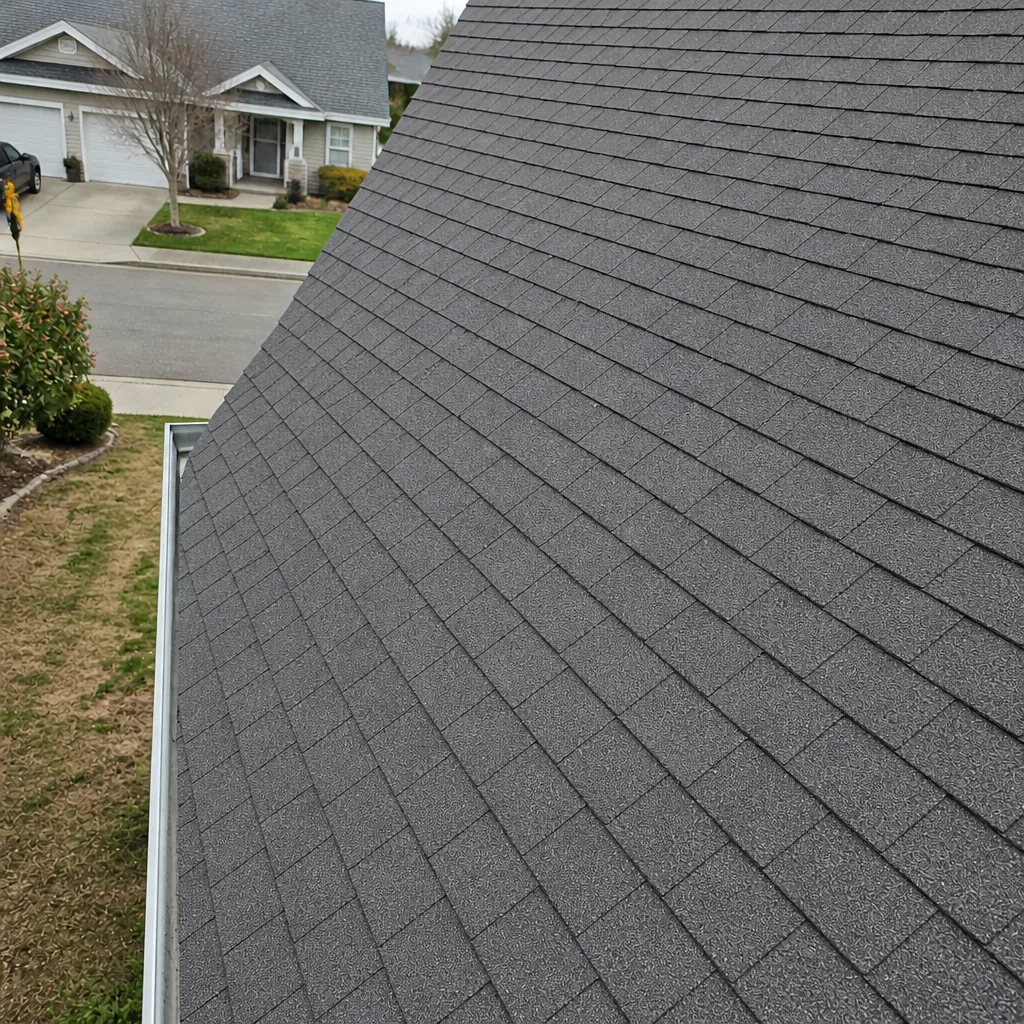
See the difference
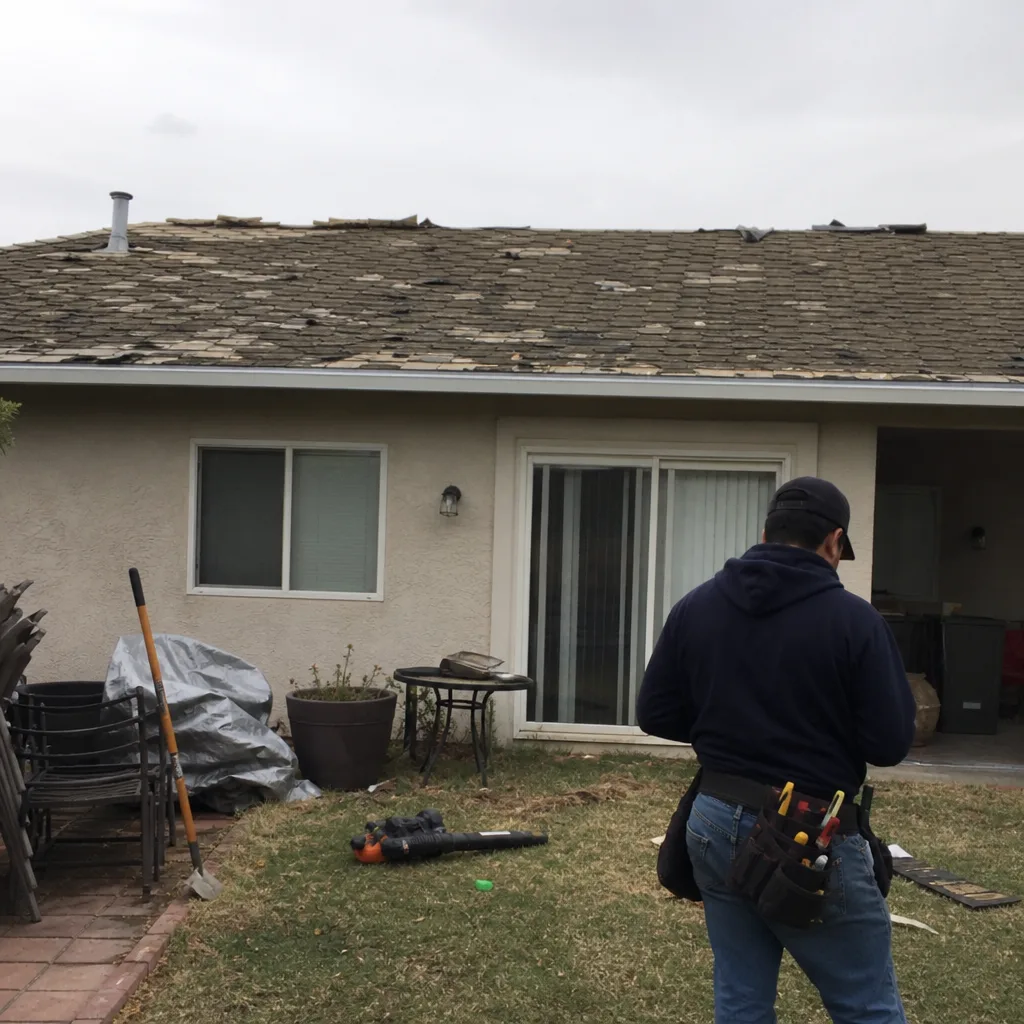 Before
 After
 Before
 After
 Before
 After
When to Call a Professional
Call a roofer whenever water is reaching places it shouldn’t, whenever you see damage you can’t safely assess from the ground, or when your warranty requires a documented inspection you haven’t had. Specific situations worth a call: a water stain on a ceiling or in the attic, loose or missing shingles after wind, a lifted or crooked flashing line, daylight visible through the roof deck, or the five-year re-inspection coming due. If a gutter keeps pulling away from the fascia or a valley won’t drain, that’s a call too.
Roofing Roseville Pros offers free estimates in Roseville – call (279) 529-0857. We answer 24/7. Fast dispatch from 7am to 7pm, Sunday through Friday. A technician can look at the roof and give you a written line-item quote so you know exactly what a fix involves and what it costs. Our technicians have up to 10 years of experience, and our focus is roofing only, so the recommendation you get is from a specialist.
Frequently Asked Questions
Check the gutters for shedding granules, look at flashing at walls, chimneys, and skylights for gaps or loose metal, confirm ridge caps sit flat, inspect the attic after the first rain for water stains or daylight, and verify that vents, pipe boots, and the drip edge are properly seated. Take dated photos of everything and raise any issues with the installer before the 90-day window closes. Call (279) 529-0857 if you’d like a professional to look instead.
At least twice a year, and more often if mature oaks overhang the roof. The critical clearing is before the wet season, so a full gutter can’t back up under the roof edge during winter rain. If you have heavy canopy, plan on late fall and again in early spring. Call (279) 529-0857 for a free estimate on gutter guards or roof-side debris clearing.
It can. Most manufacturer warranties, including those on GAF, CertainTeed, Owens Corning, IKO, Atlas, Tamko, and Boral products, require the roof to be kept in reasonable condition. Debris piles, clogged gutters, and neglect give the manufacturer grounds to deny a claim. Keep a dated record of maintenance and inspections. Call (279) 529-0857 for a maintenance inspection – estimates are free.
Flashing detail condition, sealant lines, fastener and pipe boot condition, underlayment at the edges, valley drainage, and attic ventilation. These are the failure points that show up first and that a ground-level look can’t reveal. The inspection produces a written report you keep in your roof file. Call (279) 529-0857 to schedule one.
Keep dated photos of each roof plane from the ground, close-ups of anything that looks different, attic photos after the first rain each season, gutter-clearing notes, repair invoices, and the original installation paperwork, all in one file. The date is the essential element. A dated record answers the condition question immediately. Call (279) 529-0857 for a documented inspection – estimates are free.
Yes. Shingle roofs mostly need debris and drainage attention and no pressure washing. Tile roofs need cracked or slipped tiles checked and the underlayment monitored. Metal roofs need fasteners checked and debris kept off panel edges. The documentation and inspection schedule stays the same. Roofing Roseville Pros installs all three systems, and roofing is all we do. Call (279) 529-0857 for a free estimate.
The Bottom Line
Your roof replacement warranty is a contract with upkeep conditions, and the checklist above is how you meet them. The 90-day walk catches installer mistakes while they’re still the installer’s responsibility. The Roseville-specific trigger that matters most is oak debris: clear gutters and valleys before the wet season or granule loss accelerates through the summer heat. Keep a dated roof file with photos and notes so a warranty or insurance claim goes through without a fight. Schedule a professional re-inspection at the five-year mark, and keep everything documented. Roofing Roseville Pros installs shingle, tile, and metal systems from seven manufacturers and recommends what performs best for your situation, not what’s in stock. The right roof for your home, your climate, and your budget starts with a maintained one. We connect you with experienced independent local roofing professionals, and the estimate is always free.
Written by the team at Roofing Roseville Pros.