Last updated November 25, 2026
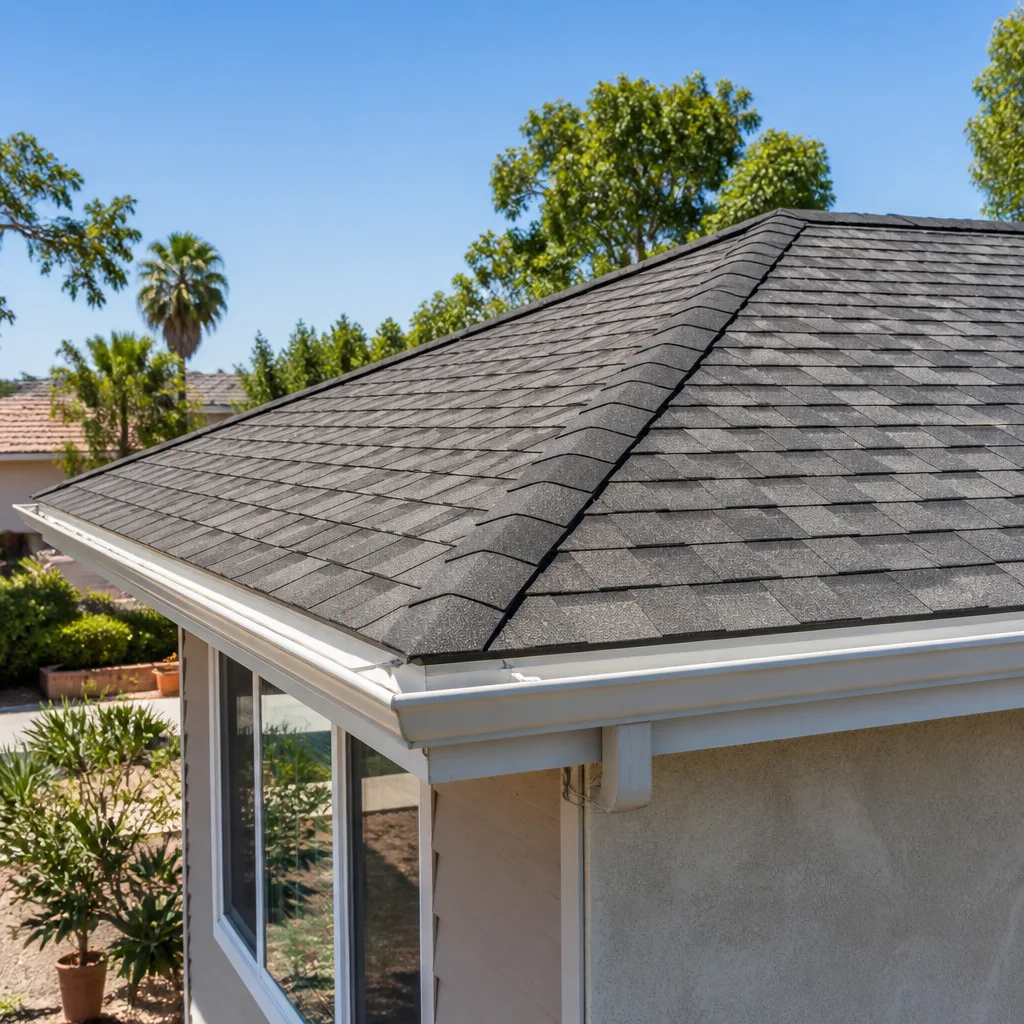
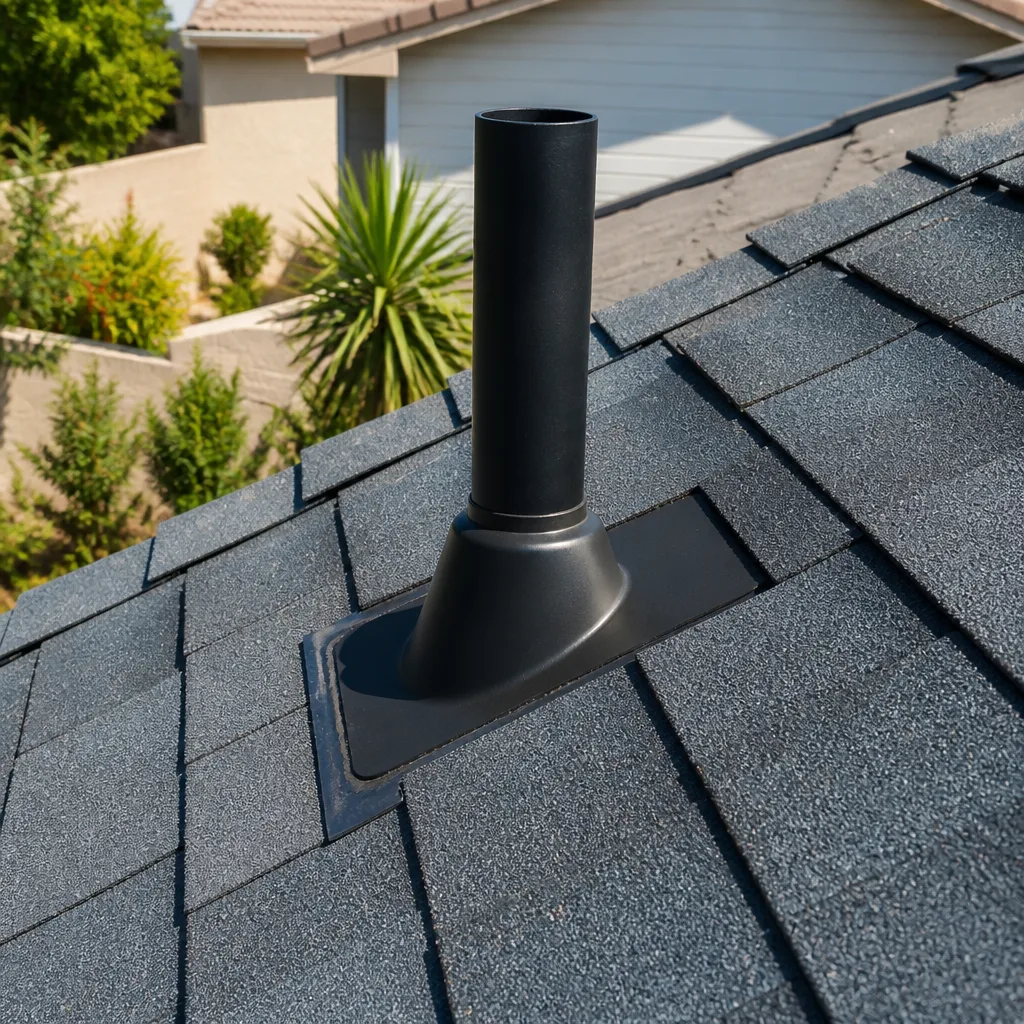
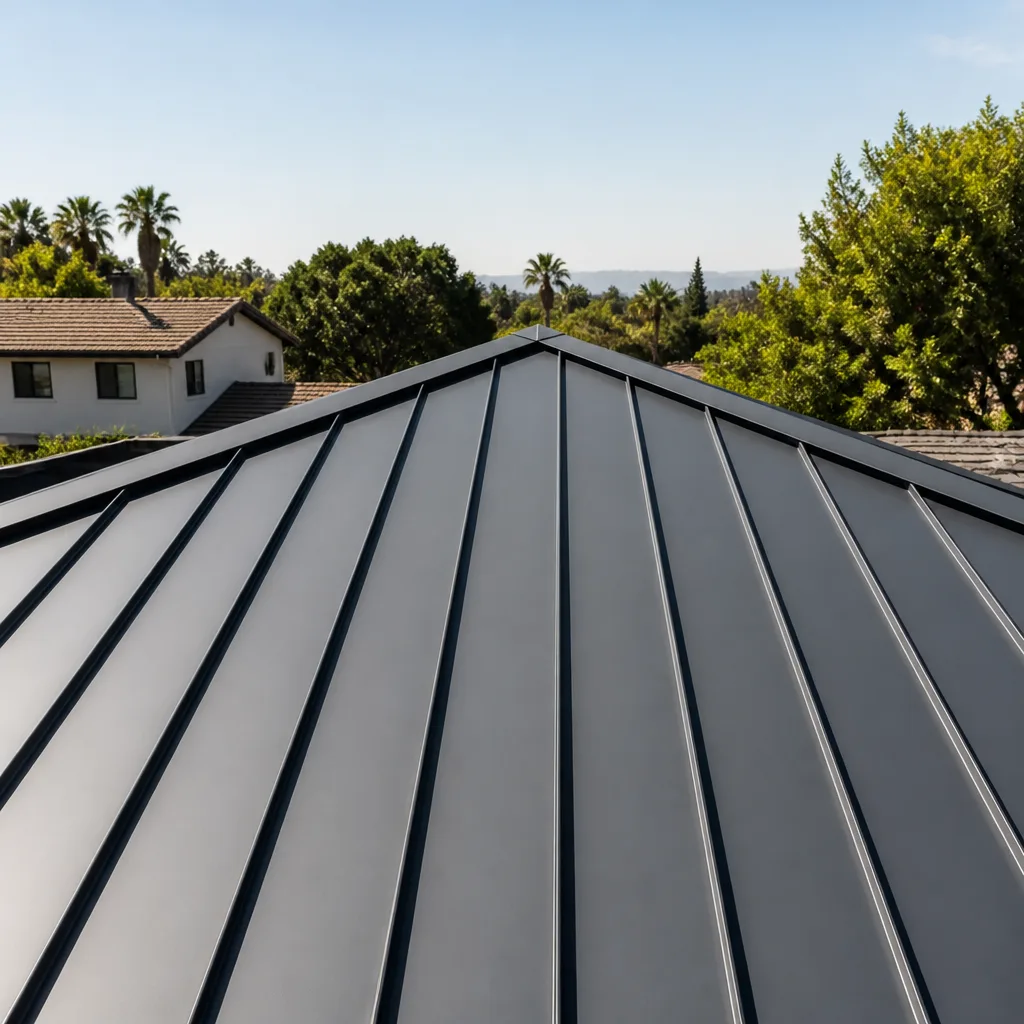
Free roof inspection with deck photos before we talk money - GAF and Owens Corning certified installation
Roofing Cost Breakdown: The Roseville Homeowner’s Reference for 2026
The lowest roofing bid in Roseville usually isn’t a bid for worse shingles. It’s a bid that leaves out the permit, assumes a single layer of tear-off, and prices no decking replacement at all. The homeowner reads three numbers that look like the same scope of work and picks the smallest one, then finds out at invoice time which items were quietly excluded. The material didn’t change. The fine print did.
This reference walks through every line a legitimate Roseville roofing invoice contains, what each line costs in the 2026 local market, how pitch and decking swing the total, and how shingle, tile, and metal compare once you factor in lifespan. By the end you’ll be able to read a quote line by line and know exactly what you’re comparing.
Quick Answer
A full roof replacement on a typical Roseville home generally runs about $9,500 to $22,000 in 2026, with most single-story ranch homes landing in the $11,000 to $16,000 range. The spread comes less from shingle brand and more from tear-off layers, decking condition, roof pitch, permit and inspection fees, and flashing work. Concrete tile and standing seam metal sit well above shingle on install cost but carry longer service lives that change the math over a 40-year view.
Styles & brands we work with
- Architectural shingles
- Metal roofing
- Tile roofing
- GAF
- Owens Corning
- Flat & low-slope
Table of Contents
- What a legitimate Roseville roofing quote actually includes
- The line-by-line cost breakdown for 2026
- How roof pitch changes the total
- The decking wildcard and Roseville’s 1990s housing stock
- Shingle vs. tile vs. metal: installed cost and lifespan ROI
- Why quotes vary for the same scope, and how to compare them
- Common mistakes to avoid
- Frequently asked questions
What a legitimate Roseville roofing quote actually includes
A complete roofing quote names seven items: materials, labor, tear-off and disposal, permit and inspection fees, underlayment, flashing, and a stated allowance (or exclusion) for decking. If any of those seven is missing from a bid, that bid isn’t cheaper. It’s incomplete, and the missing item is what shows up as a change order once the old roof is off.
Roseville sits in a climate that shapes this list in specific ways. Summers run hot and dry, which stresses underlayment and sealant strips more than a wet climate would. Winters are mild and rainy but not cold enough to justify ice-and-water membrane everywhere, so a good quote specs it at valleys, penetrations, and eaves rather than under the whole field. That’s a real cost difference, and it’s one of the first places a sloppy bid hides savings it shouldn’t be taking.
New construction is a different scope entirely. There’s no tear-off, no disposal, and no decking allowance, because the sheathing is going on fresh. That’s why a new build quote and a replacement quote on the same footprint land at different numbers. We handle both, which means we quote them as the separate scopes they are rather than forcing one template onto the other. If you’re replacing rather than building, the roof replacement process covers the sequence from tear-off through final inspection in detail.
The permit line deserves its own mention. Most cities require a permit for a full reroof, and Roseville is no exception. The permit fee and the inspection schedule are real costs and real steps. A bid that omits them isn’t saving you money, it’s deferring a cost and an inspection you’ll still need. Ask every contractor whether the permit is in the number you’re looking at.
The line-by-line cost breakdown for 2026
Here’s what each line on a Roseville roofing invoice covers in 2026, with typical ranges. Treat these as estimates for planning. The written estimate you receive is what sets your final price, and it will reflect your actual roof, not a generic average.
- Architectural shingle material: roughly $140 to $220 per square installed as material, depending on the product line and whether it’s a standard or premium architectural profile. Shingle is sold by the square, which covers 100 square feet of roof area.
- Tile material: roughly $400 to $800 per square, driven mostly by tile type (clay, concrete, profile) and the additional framing and fastening tile requires.
- Standing seam metal material: roughly $500 to $1,000 per square, with panel gauge, seam profile, and color finish moving the number.
- Labor: the largest single line on most quotes, typically 40 to 55 percent of the total. It scales with pitch, complexity, and the number of penetrations and valleys.
- Tear-off and disposal: about $80 to $150 per square for a single layer, and roughly double that for a second layer. Dumpster and haul-away are included in this line on a complete quote.
- Permit and inspection fees: generally a few hundred dollars, varying with the jurisdiction and the scope. This should appear as a named line, not folded invisibly into labor.
- Underlayment: about $40 to $90 per square, depending on the product and where it’s specified.
- Flashing: roughly $150 to $450 per location for new step, counter, and valley flashing. Reusing old flashing is a common way bids cut corners, and it’s the first thing to fail at a wall junction.
- Decking allowance: either a stated per-sheet price for replacement or an explicit exclusion. A quote with neither is a quote that will surprise you.
Add those lines up for a 25-square ranch home with a single layer of tear-off and sound decking and you land in the $11,000 to $16,000 band. Add a second layer, a few sheets of sheathing, and a steep pitch, and the same house reaches $18,000 to $22,000 without a single upgrade to the shingle itself.
How roof pitch changes the total
Pitch is the slope of the roof expressed as rise over run, and contractors apply a multiplier to the flat footprint to get the actual roof area. That multiplier is why two Roseville homes with the same square footage can have wildly different roof areas and wildly different quotes.
The multipliers are straightforward once you see them. A 6:12 pitch, common on Roseville ranch homes, carries a multiplier of about 1.12. An 8:12, common on two-story homes, runs about 1.20. A 10:12 runs about 1.30. So a 2,000-square-foot footprint at 6:12 has roughly 2,240 square feet of roof; the same footprint at 10:12 has about 2,600. That’s an extra 360 square feet of material, labor, and underlayment before you’ve changed anything else.
Pitch also adds a labor premium on top of the area math. Steep roofs slow every step down: walking, staging, fastening, cleanup. Contractors build that premium into the labor line, and it’s legitimate. It’s also where Roseville’s housing mix shows up. The ranch homes in established neighborhoods tend to land at the lower 6:12 tier, while the two-story homes built through the 1990s and 2000s more often sit at 8:12 or steeper and price into the higher tier.
If a bid doesn’t show you the measured roof area and the pitch it assumed, you can’t tell whether it’s comparing like with like. Ask for both. A quote built on footprint square footage rather than actual roof area is a quote that’s either wrong or quietly padded.
The decking wildcard and Roseville’s 1990s housing stock
Decking is the sheathing under the shingles, and it’s the single biggest unknown in any reroof quote. No contractor can see it until the old roof is off. What a good contractor can do is tell you the probability based on your home’s age and construction era, and quote an explicit per-sheet allowance so there’s no argument later.
Roseville’s 1990s housing stock is the relevant case. Homes built in that era used standard sheathing practices of the time, and sheathing that’s now 25 to 30 years old has had three decades of summer heat and mild winter rain to work on it. Some of it is fine. Some has soft spots at penetrations, valleys, and the lower edge near the eaves where water tends to sit. The probability that a 1990s Roseville roof needs at least some sheathing replacement is real, and it’s higher than on a roof from the 2010s.
Here’s how to think about the probability:
- Homes from the 1950s and 1960s: highest likelihood of partial or substantial sheathing replacement, plus possible skip sheathing that needs solid decking added.
- Homes from the 1970s and 1980s: moderate to high, especially if there’s been a prior patch or a long-delayed reroof.
- Homes from the 1990s: moderate. Expect a few sheets at minimum, more if the roof has had leaks near valleys or penetrations.
- Homes from the 2000s onward: lowest, unless there’s been a specific leak or storm event.
Ask your contractor for a per-sheet price for sheathing replacement and write it into the comparison. A quote that says “decking as needed” with no number is a quote you can’t compare to one that says “$X per sheet, up to Y sheets.” We quote it as a named allowance so the number is visible before the tear-off, not after.
Shingle vs. tile vs. metal: installed cost and lifespan ROI
The three material systems available for Roseville homes differ sharply on installed cost and on how long they last. Architectural shingle is the lowest upfront, concrete tile sits in the middle, and standing seam metal is highest. Over a long horizon the gap narrows, and on some homes it closes.
- 30-year architectural shingle: typical installed range of $11,000 to $18,000 on a standard Roseville roof, with an expected service life of roughly 25 to 30 years in this climate. The best value on upfront cost and the most common choice for good reason.
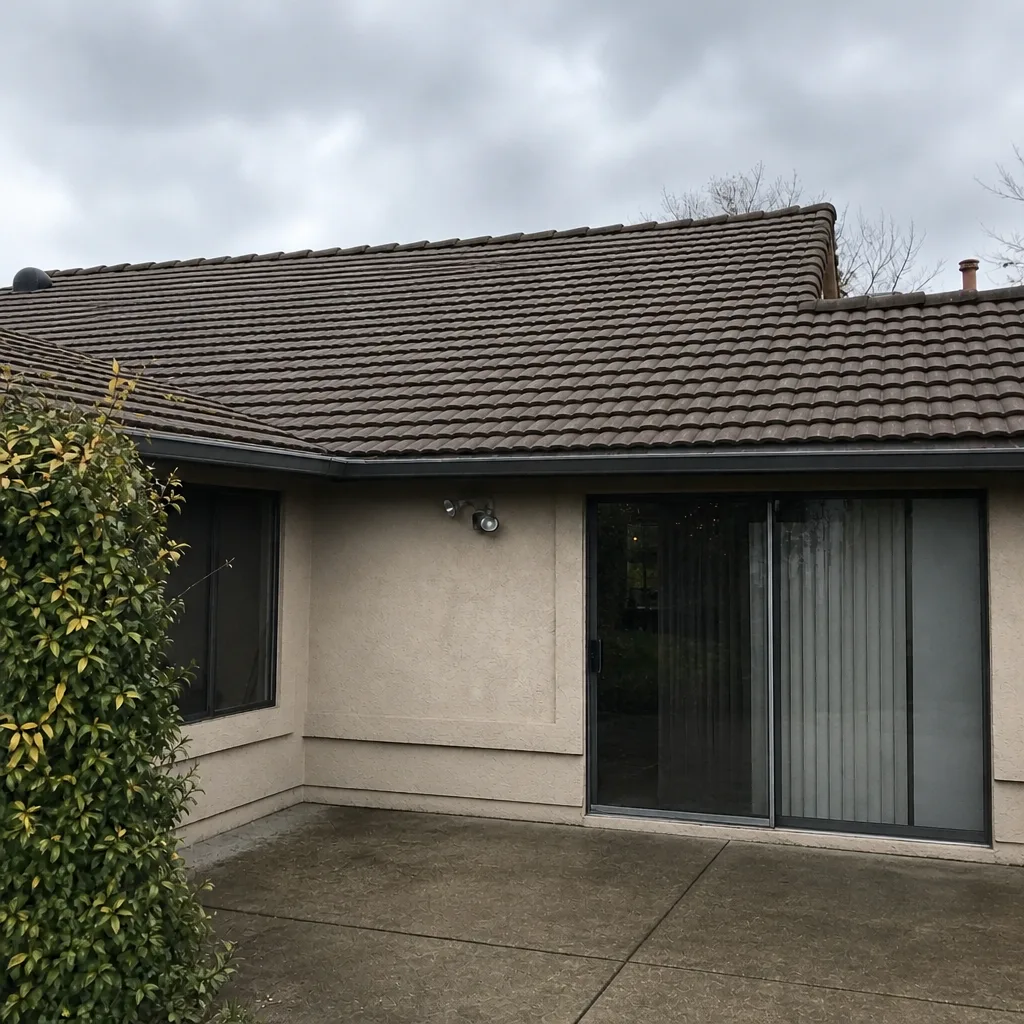
- Concrete tile: typical installed range of $22,000 to $40,000 depending on tile profile and structural reinforcement, with a service life that often runs 40 to 50 years. Heavier, so it may require framing evaluation before installation.
- Standing seam metal: typical installed range of $26,000 to $48,000, with a service life of 40 to 50 years and reflective finishes that perform well in Roseville’s hot summers.
Run the math on a 30-year view and shingle usually wins on pure cost per year of service, because metal and tile take 40 years or more to catch up on the entry price. But cost per year isn’t the whole decision. If you plan to stay in the home for decades, or you’re specifying a new build where the framing is designed for tile from the start, the longer service lives change the calculation. New construction is a genuine fit for tile and metal because the structural work can be designed in rather than added. Our new roof installation work spans all three systems for that reason.
One more variable: manufacturer warranty terms. Products from GAF, CertainTeed, Owens Corning, and the other lines we install often carry transferable manufacturer warranties, which follow the home rather than staying with the original owner. That’s a real value on resale, and it’s worth asking about before you pick a product tier.
Why quotes vary for the same scope, and how to compare them
Two Roseville contractors can quote the same house and land thousands apart without either one being dishonest. The difference is almost always in what each bid includes, not in the price of the shingles. Comparing bids properly means comparing scopes line by line, not totals.
Here are the differences that show up most often. Some bids exclude the permit and expect you to pull it, which shifts a cost and an inspection onto you. Some assume a single tear-off layer and price no second layer even when one exists. Some reuse existing flashing to keep the number down. Some quote a lower-grade underlayment. Some offer a decking allowance and some stay silent. And some quote the measured roof area while others use the footprint, which understates the job by 12 to 30 percent depending on pitch.
Here’s how to build an apples-to-apples comparison:
- Ask every contractor for the measured roof area and the pitch in writing. If the numbers differ, the bids aren’t comparable.
- Require the permit and inspection fees as a named line. A bid without them is incomplete, not cheaper.
- Ask for the decking allowance as a dollar figure per sheet, with a stated cap.
- Confirm whether flashing replacement is included and at how many locations.
- Ask which manufacturer product line each bid specifies, and request the transferable warranty terms.
- Confirm the tear-off layers assumed and the disposal cost.
- Check whether the labor line reflects the actual pitch or a flat rate.
Do that for three bids and the spread usually explains itself. The low bid is often the one that quietly dropped two of the seven items.
Common Mistakes to Avoid
- Comparing totals instead of scopes. A $3,000 gap between two bids is usually two missing line items, not a better deal. Ask each contractor what’s excluded before you decide.
- Accepting “decking as needed” without a price. Roseville’s 1990s homes have real sheathing replacement odds. A bid without a per-sheet allowance leaves the cost open until the tear-off.
- Letting the contractor skip the permit. Most cities require a permit for a full reroof, and skipping it can surface at resale. Confirm it’s in the bid as a line item.
- Assuming a brand means a product tier. Every major manufacturer makes entry and premium lines. Ask which specific product line is being quoted, not just the brand.
- Overlooking flashing replacement. Old flashing at wall junctions and valleys is where leaks start. A bid that reuses it is saving a few hundred dollars in the wrong place.
- Picking tile or metal without checking the structure. Tile and some metal systems add weight and fastening demands. A framing evaluation belongs in the quote, not after the material arrives.
- Ignoring the pitch math. A bid built on footprint square footage rather than actual roof area can understate the job substantially. Ask for both numbers.
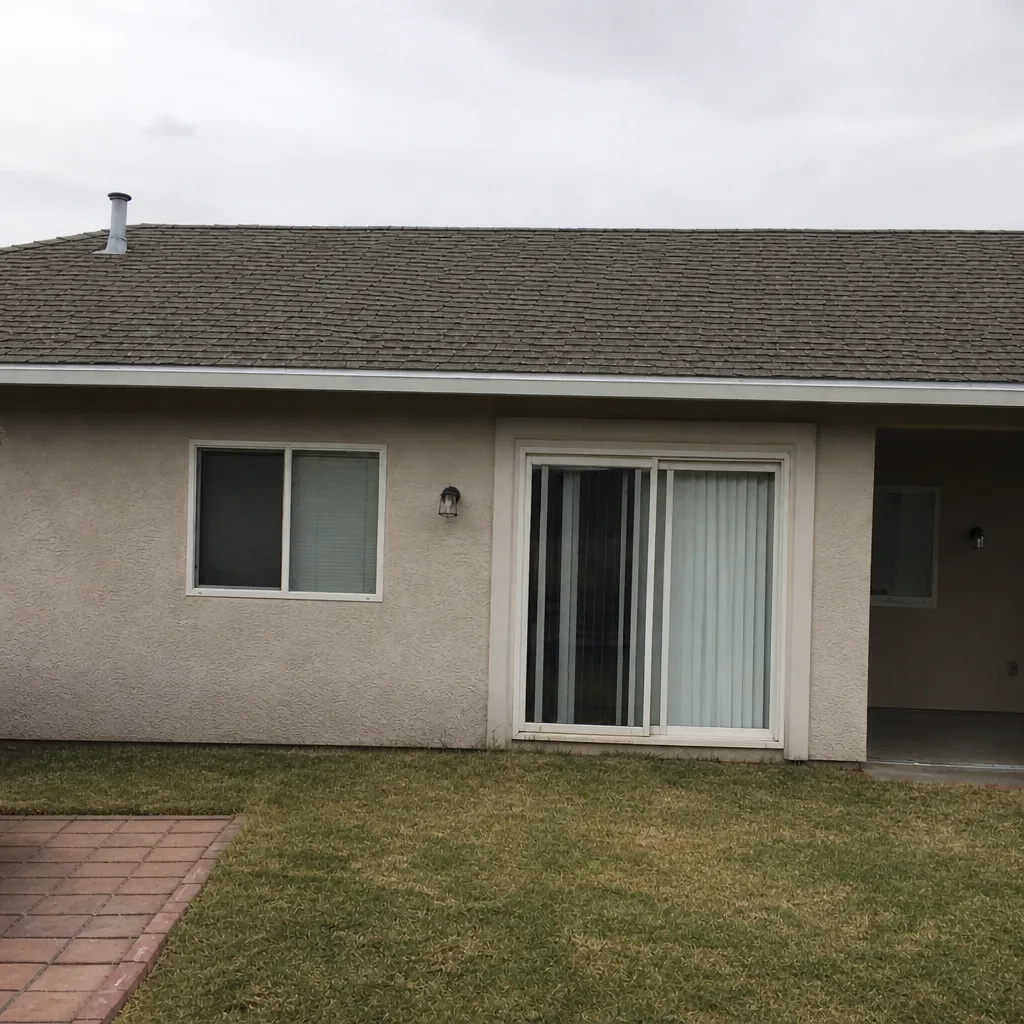
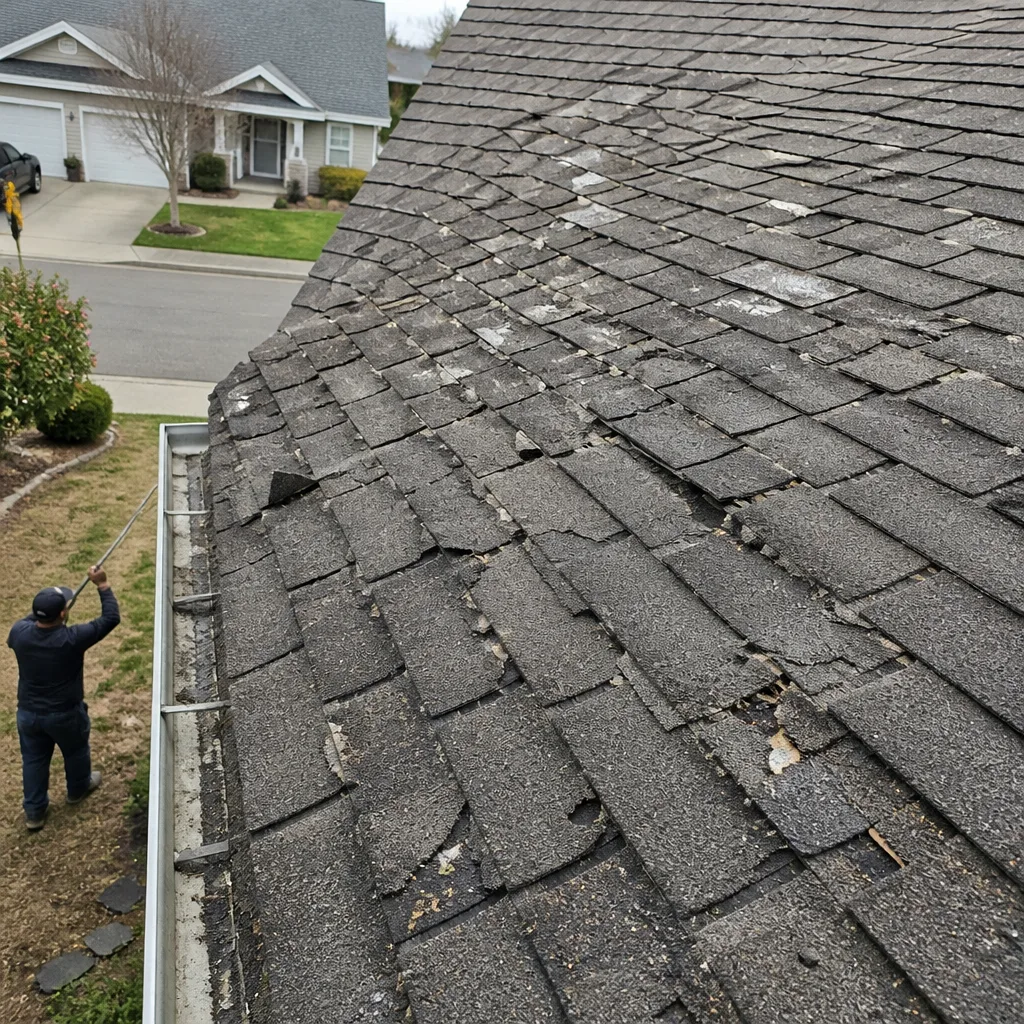
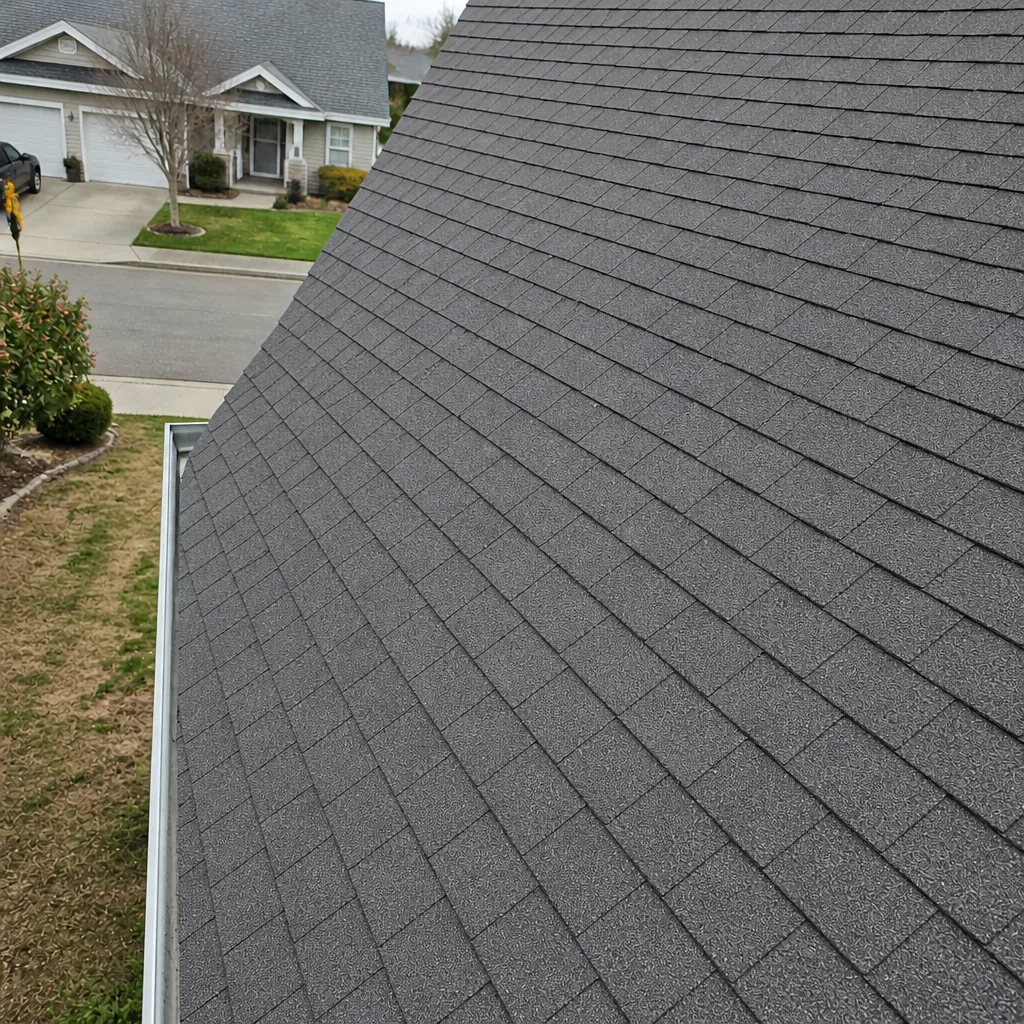
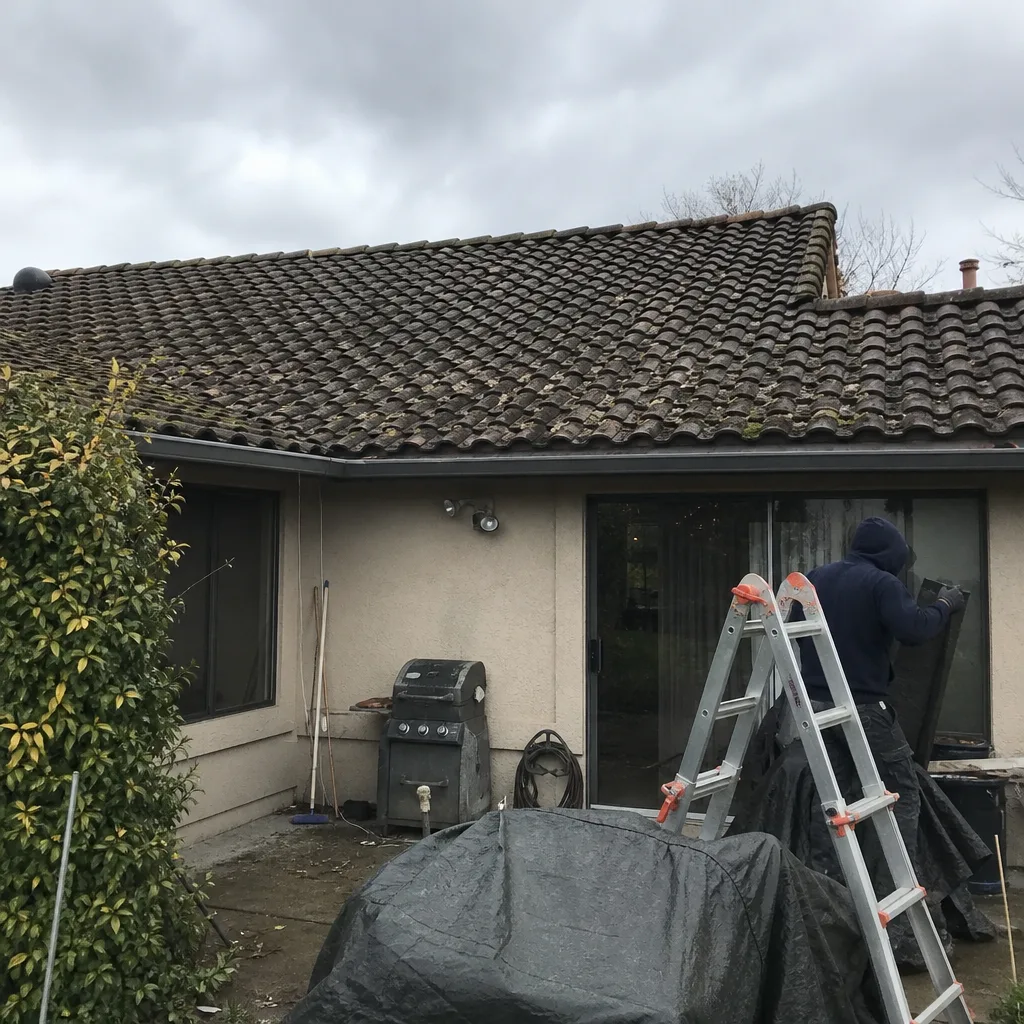
See the difference
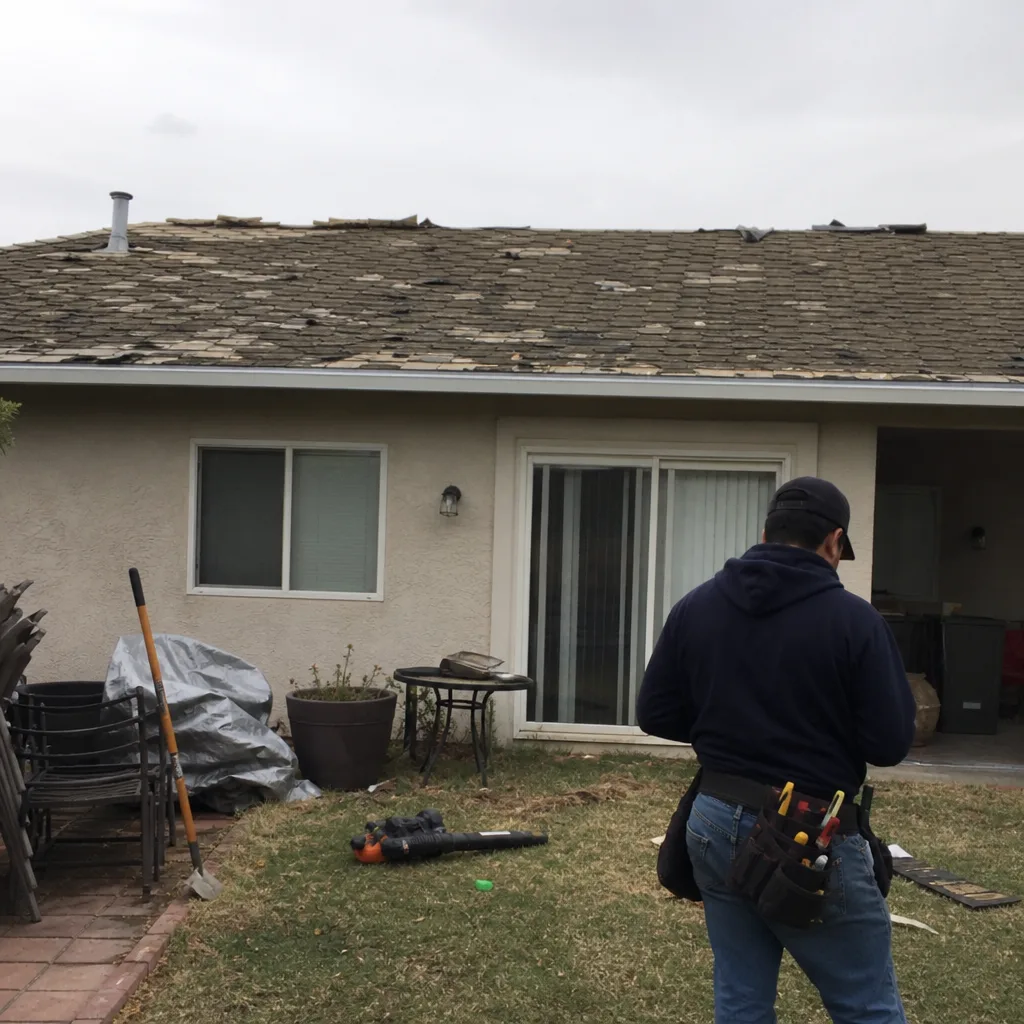 Before
 After
 Before
 After
 Before
 After
When to Call a Professional
Some roof questions are DIY. Roof replacement isn’t one of them. Working at height on a steep pitch is genuinely dangerous, and the structural and permit decisions involved need a trained eye. Call a professional when you’re facing a full reroof, when you see sagging decking or soft spots, when there are repeated leaks at valleys or penetrations, when a prior patch is failing, or when you’re specifying materials for a new build and need to match the system to the framing. We offer free estimates in Roseville for shingle, tile, and metal work, and every quote is a written line-item scope with the permit and decking allowance named. Call (279) 529-0857 to schedule your free estimate. We answer 24/7. Fast dispatch from 7am to 7pm, Sunday through Friday.
Frequently Asked Questions
A full roof replacement in Roseville typically runs about $9,500 to $22,000 in 2026, with most single-story ranch homes landing between $11,000 and $16,000. The spread comes from tear-off layers, decking condition, pitch, permit fees, and flashing work, not from the shingle itself. Call (279) 529-0857 for an exact quote – estimates are free.
Because the cheapest bid usually excludes the permit, assumes a single tear-off layer, and prices no decking replacement. The missing items surface as change orders once the old roof is off. Ask every contractor what’s excluded before comparing totals. A written line-item estimate from us names every line, so the number you see is the number you plan around.
Pitch adds cost two ways: a larger roof area through the multiplier and a labor premium for slower, harder work. A 6:12 pitch carries about a 1.12 multiplier, an 8:12 about 1.20, and a 10:12 about 1.30. Roseville ranch homes often land at the lower tier and two-story homes at the higher one. Call (279) 529-0857 for an exact quote – estimates are free.
It shouldn’t if the estimate is written properly. The two legitimate reasons for a change are decking that needs replacement beyond the stated allowance and hidden structural issues no one could see before tear-off. Both should be quoted as named allowances upfront. We write the decking allowance into the estimate so there are no surprise change orders.
Most cities require a permit for a full reroof, and the permit and inspection fees belong in the quote as a named line. Confirm this with any contractor before signing. A bid without a permit line is incomplete, not cheaper. Call (279) 529-0857 to discuss your project and what your city’s building department will require.
Metal and tile cost roughly double to triple the installed price of architectural shingle but carry 40 to 50 year service lives against roughly 25 to 30 for shingle. On a pure cost-per-year basis shingle usually wins. Metal and tile make more sense if you plan to stay long term or you’re specifying a new build where the framing can be designed for the added weight. For focused shingle roofing guidance on product tiers, we can walk through the options on a free estimate.
The Bottom Line
Roofing quotes in Roseville vary by thousands for the same footprint, and the spread lives in the fine print, not the shingle brand. Tear-off layers, decking condition, pitch multiplier, permit and inspection fees, and flashing replacement drive the number more than material choice ever will. Read a quote line by line, demand the measured roof area and the decking allowance in writing, and compare scopes rather than totals. Shingle remains the value choice on upfront cost; tile and metal earn their price over a longer horizon. Get the full picture from a specialist who installs all three systems and quotes each one honestly. Call (279) 529-0857 to schedule your free estimate. We answer 24/7. Fast dispatch from 7am to 7pm, Sunday through Friday.
If you’re still deciding where to start, the team at Roofing Roseville Pros can walk through your roof, your pitch, and your budget before a single shingle is chosen. A roof replacement is one of the largest investments your home will see, and the right quote is the one you can read line by line.
Written by the team at Roofing Roseville Pros.