Last updated November 25, 2026
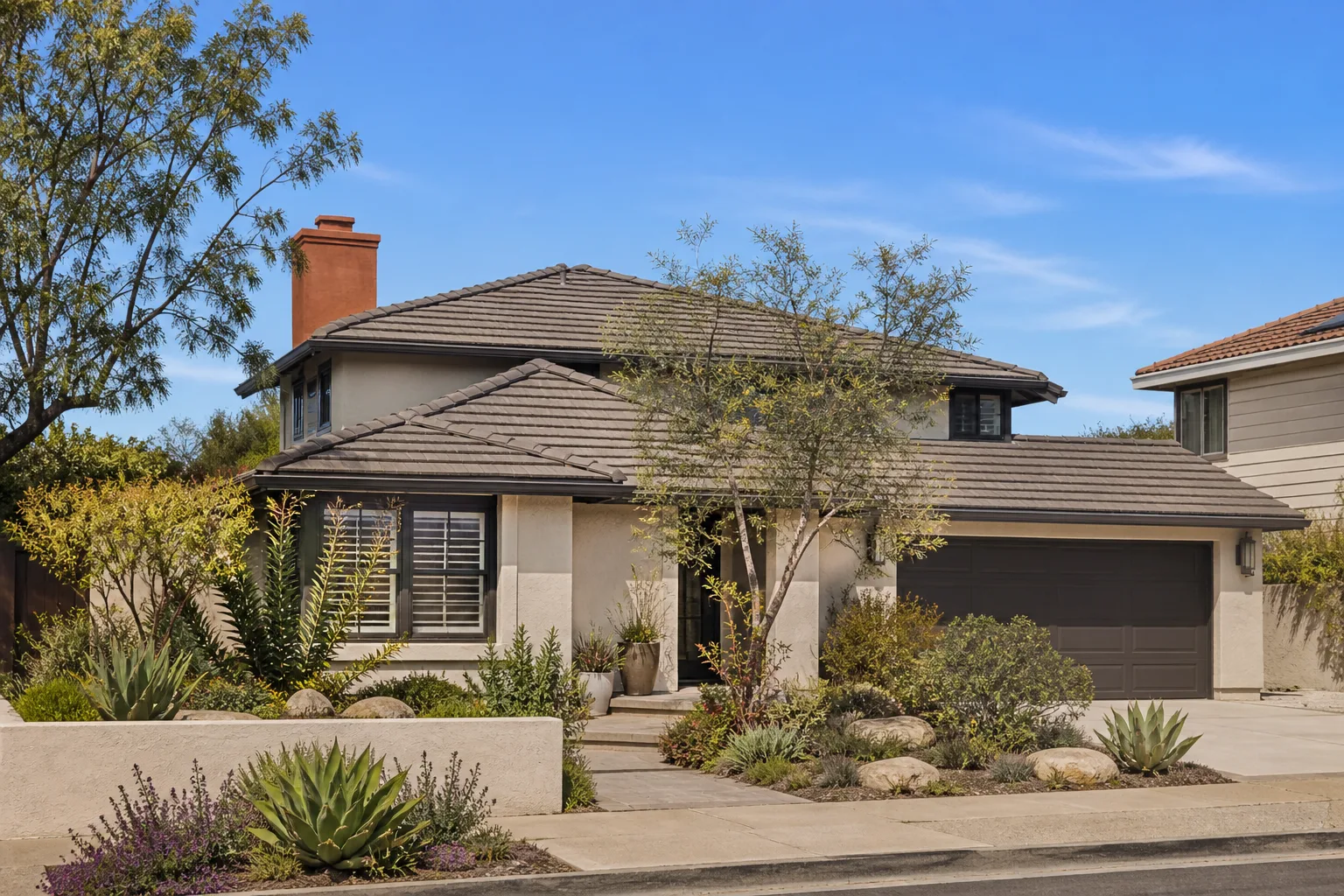
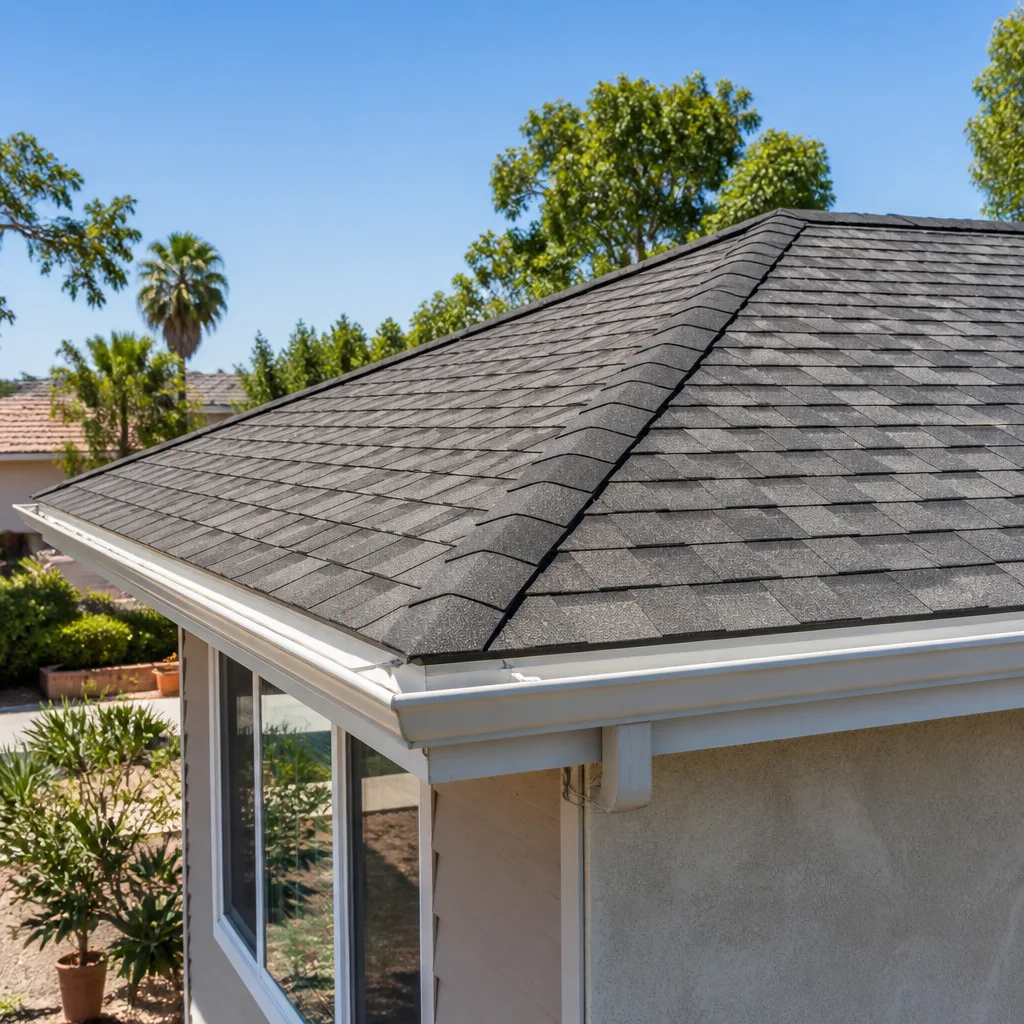
Free roof inspection with deck photos before we talk money - GAF and Owens Corning certified installation
DIY vs Professional Roofing: The Roseville Homeowner’s Decision Guide
Most comparisons of DIY and professional roofing start with a savings number. This guide starts somewhere else: a legal chain of events. A Roseville homeowner who tears off and installs a roof under an owner-builder permit can finish the job, pass the inspection, and still be carrying a problem: no manufacturer’s workmanship warranty on the installation, a permanent permit record tied to the property, and a disclosure obligation if they ever sell. The upfront savings are real. So are the obligations, and they last a lot longer than the savings feel good. What follows is the framework we use to help Roseville homeowners decide which roof work belongs in their own hands and which belongs with a professional.
Quick Answer
True DIY roofing in Roseville is legally possible only under an owner-builder permit, and it forfeits every manufacturer workmanship warranty on the installation, which can complicate a future sale under California disclosure rules. For most homeowners, DIY makes sense only for small maintenance tasks like gutter cleaning, minor flashing repairs, and pipe boot replacement. Full replacement, tile systems, metal panel installation, and anything touching roof decking or structure belongs with a licensed professional, both for warranty coverage and because Roseville HOAs and permit inspections can require removal of non-compliant work at the owner’s expense.
Styles & brands we work with
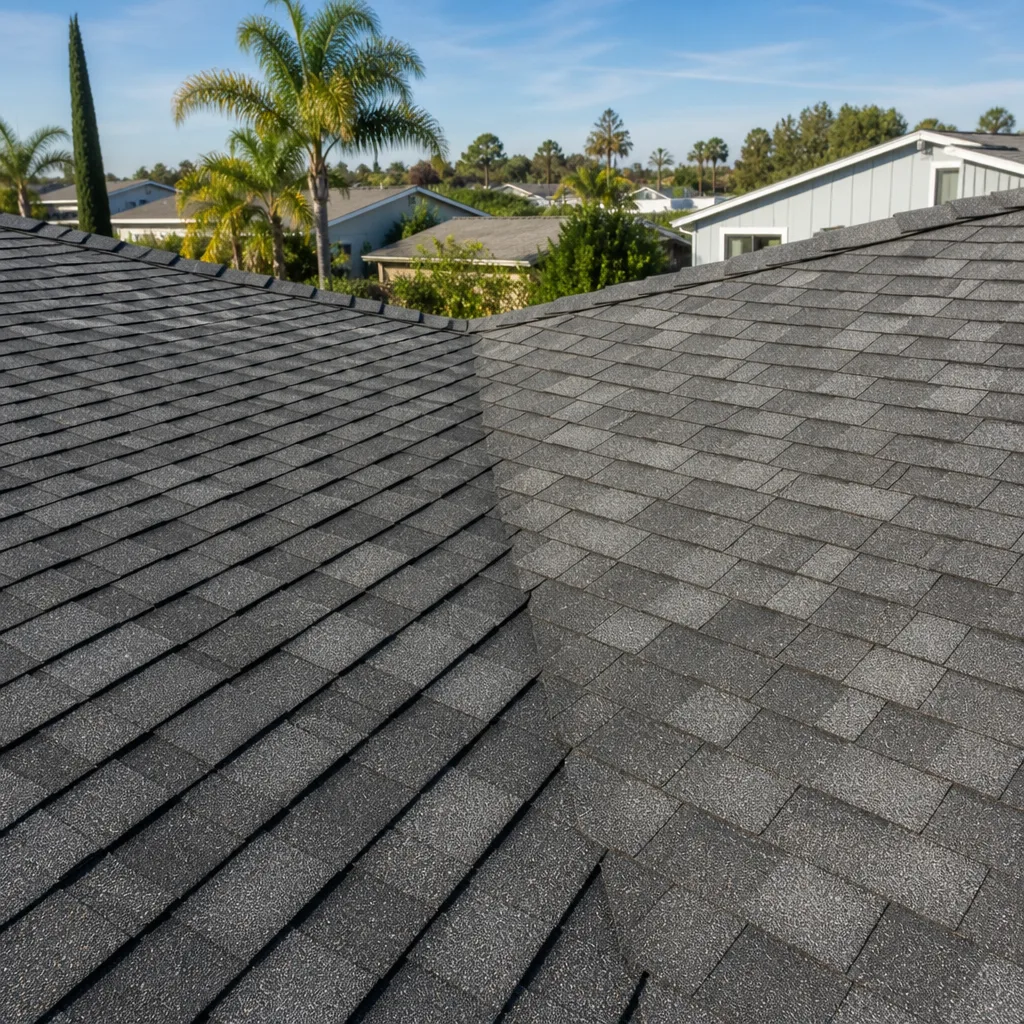
- Architectural shingles
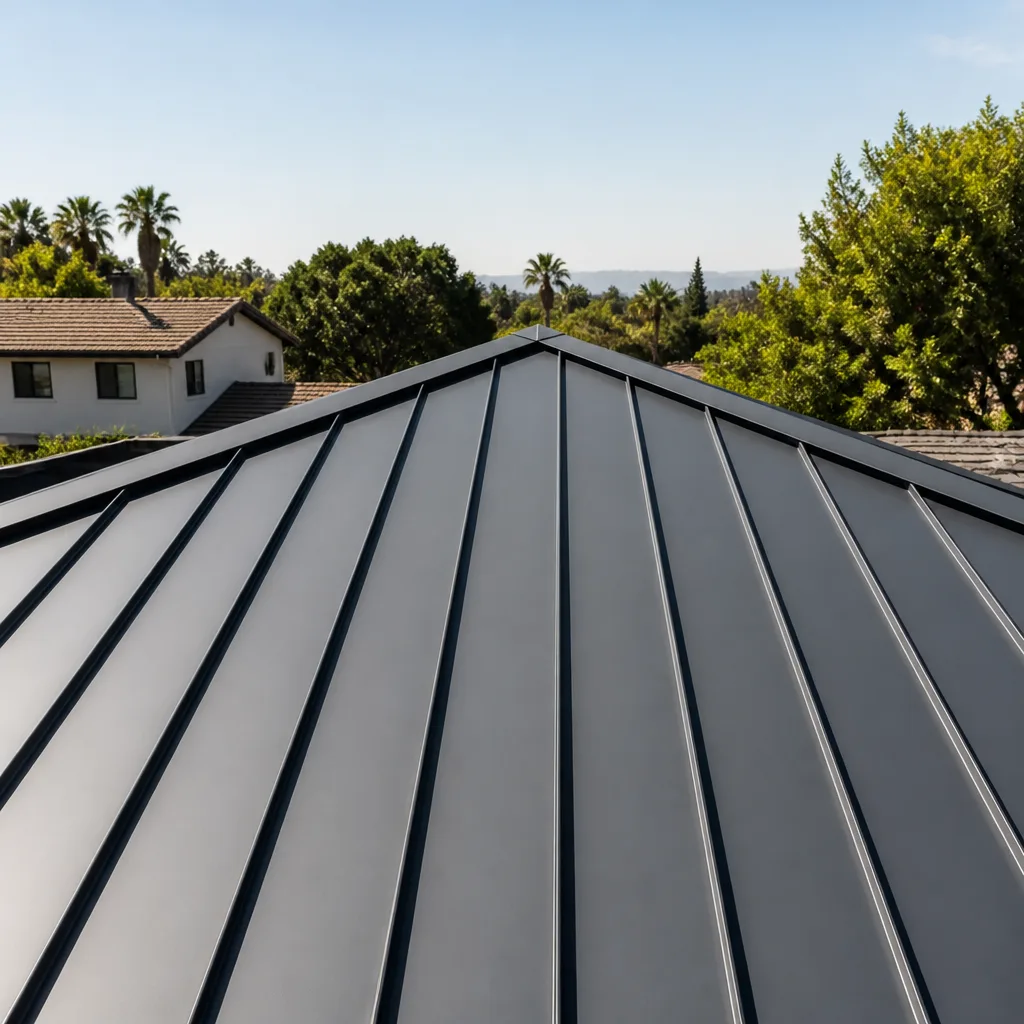
- Metal roofing
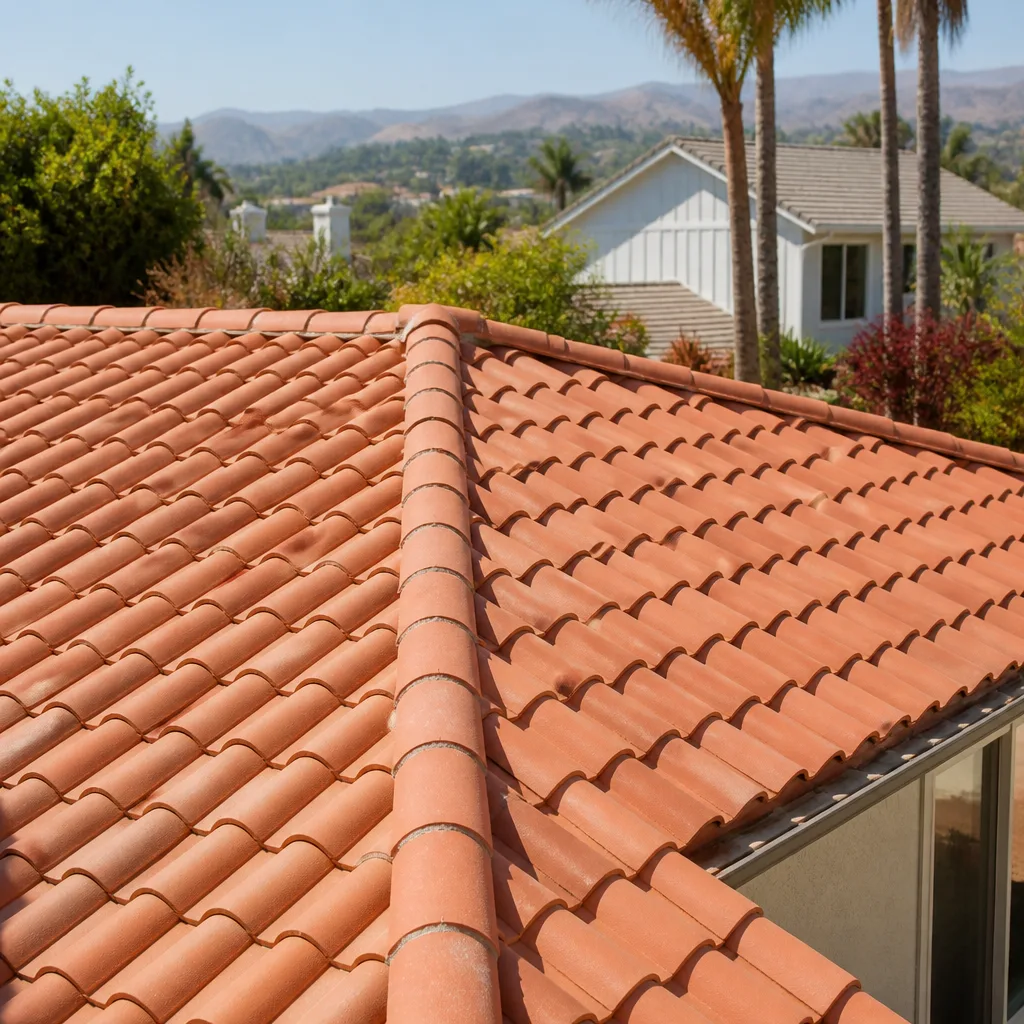
- Tile roofing
- GAF
- Owens Corning
- Flat & low-slope
Table of Contents
- What California Law Actually Permits for DIY Roofing
- The Disclosure Obligation That Follows the Property
- Which Roofing Tasks Are Actually OK to DIY
- HOA Architectural Rules in Roseville Communities
- The Real Cost Comparison: DIY vs Installed
- How Warranty Coverage Works Under Each Approach
- Safety and Liability on a Roseville Roof
- Common Mistakes to Avoid
What California Law Actually Permits for DIY Roofing
California allows a homeowner to pull what’s called an owner-builder permit for work on their own primary residence. That includes re-roofing. But the permit comes with conditions that many homeowners don’t hear about until they’re already signing.
The owner-builder exemption exists so that people can work on homes they’ll occupy themselves. It’s not a shortcut around the licensing system, and cities inspect owner-builder work to the same code standard as contractor work. If the roof fails inspection, the homeowner is responsible for corrections, reinspection fees, and any additional work the inspector requires.
What California does not allow is a homeowner hiring unlicensed workers to do the physical labor while using their own owner-builder permit to sidestep contractor licensing. That arrangement jumps the line between owner-builder and unlicensed contracting, and it can expose the homeowner to liability if someone is injured on the job.
In Roseville, roof permits go through the city’s building department. The exact submittal requirements vary by scope, but re-roofs generally require a permit and inspection, and material changes may require additional documentation. Before you decide anything, call the building department and ask what your specific project requires. Get the answer from them, not from a forum.
For homeowners who want the paperwork, warranty coverage, and inspection process handled end to end, our roof replacement service includes pulling the permits and coordinating the inspections. That’s one less variable in the project, and it’s often the difference between a smoothly closed permit and a file that follows you to closing day.
The Disclosure Obligation That Follows the Property
Here’s the part of the DIY conversation that rarely gets airtime: when a home sells in California, the seller has to disclose material facts about the property, including known permits and any work done without them. A roof installed under an owner-builder permit is not automatically a problem, but it is a permanent, traceable record on the property.
- Permit history stays with the address. A buyer’s inspector will pull the permit record. An owner-builder re-roof will appear, and the buyer’s agent will ask questions.
- No manufacturer workmanship warranty transfers. A buyer who learns the installation carries no warranty has a legitimate negotiating point, and it usually lands on price.
- Inspection gaps get discovered during due diligence. If any part of the work was done without final inspection sign-off, that gap surfaces in escrow and can stall or reprice the sale.
- Insurance questions come up too. Some insurers ask about roof age and installation history when a policy is issued or renewed, and an unpermitted installation can complicate the answer.
None of this means every owner-builder roof is a bad roof. Plenty are installed well. But the record is permanent, and a homeowner who plans to sell within a decade should weigh that record against the savings. In a Roseville market where homes turn over regularly, the disclosure question is worth thinking about before the first shingle comes off, not after.
Which Roofing Tasks Are Actually OK to DIY
We’re not going to tell you that every roof task requires a contractor. Some don’t. Here’s the honest division.
Reasonable for a capable DIYer
- Gutter cleaning and re-securing. Clearing debris and tightening hangers is low-risk work that protects the roof edge and the foundation drainage.
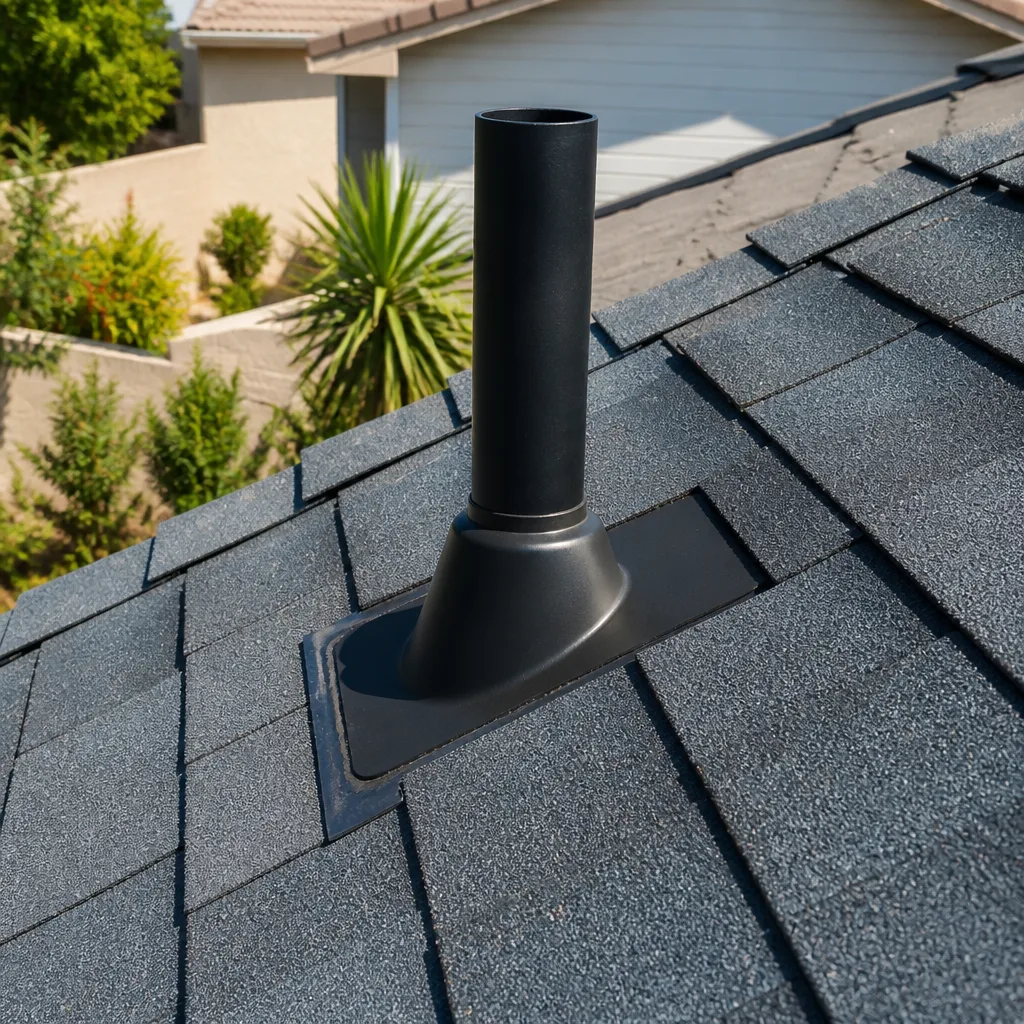
- Pipe boot replacement. A cracked rubber boot around a plumbing vent is a common small leak source, and swapping it is a contained job for someone comfortable on a ladder.
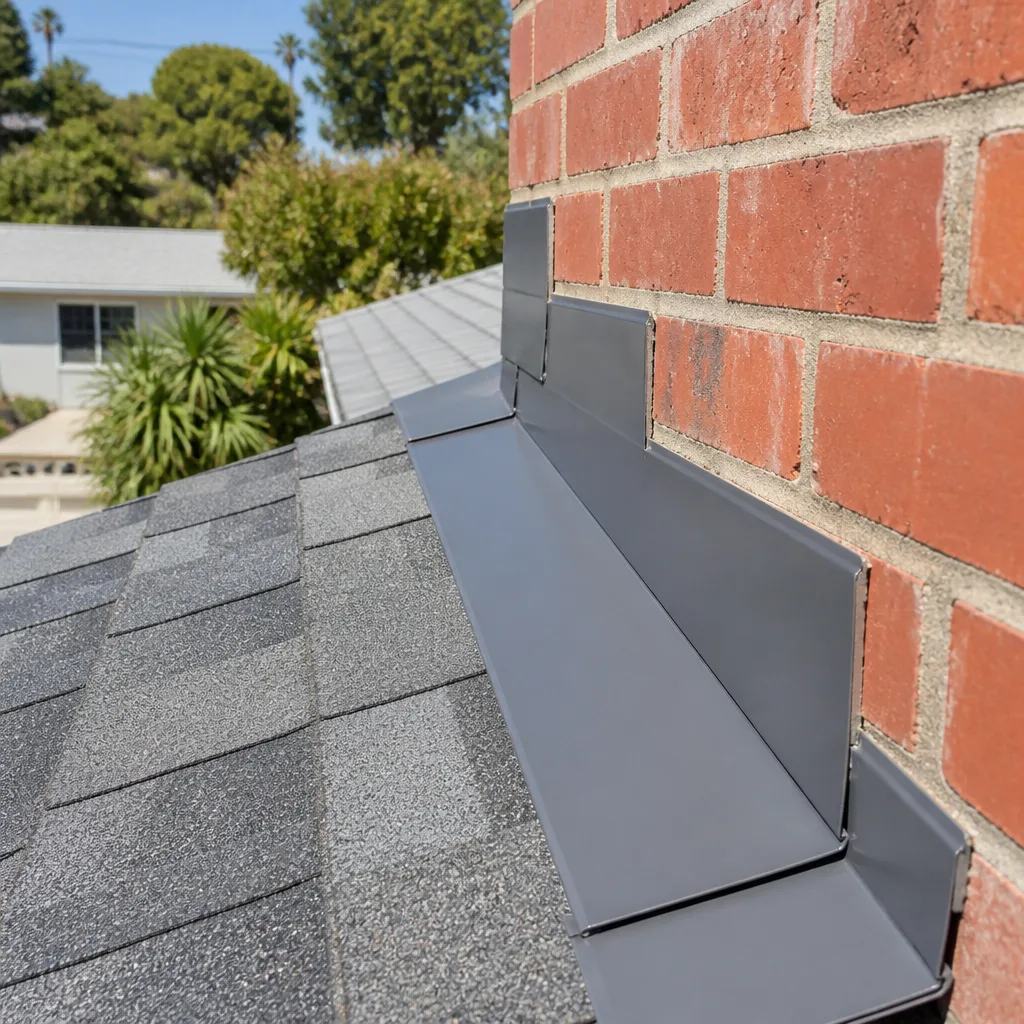
- Minor flashing repairs. Resealing a lifted step flashing at a wall or chimney is a small, finite task. Do it in cool weather, never on a hot afternoon.
- Debris removal and inspection walks. Clearing leaves from valleys and looking for lifted shingles or granule loss is maintenance, not installation.
- Touch-up painting on metal trim. Cosmetic and low-risk, if the surface is prepped properly.
Belongs with a professional
- Any full replacement or new installation. Tear-off, underlayment, flashing systems, and final inspection all require licensed work to preserve manufacturer warranty coverage.
- Decking replacement. Once you’re pulling sheathing, you’re into structure, and that requires engineering judgment, permits, and inspection.
- Tile and metal systems. Both depend on specific underlayment and fastening details. A small sequencing error can void the manufacturer’s coverage on the whole installation.
- Any task that requires breaking the roof’s water barrier. Once the surface is opened, you’re doing installation, not maintenance.
Our guidance is simple: if the task involves opening the roof, changing the water barrier, or touching anything structural, stop. Call a professional. That line is the one that matters most.
HOA Architectural Rules in Roseville Communities
Roseville’s planned communities are a major part of why this question is different here than in a lot of California cities. Many neighborhoods have architectural review committees, and those committees have rules about roofing materials, colors, and profiles. A homeowner who installs without approval can find themselves required to remove the work at their own expense.
The process usually works like this:
- Request the architectural guidelines. Get the current copy from the HOA, not the one in your closing packet from years ago. Guidelines change.
- Submit the material spec for approval before purchase. That means the actual product line and color, not just “architectural shingle.” Many HOAs require a specific profile or minimum weight rating.
- Wait for written approval. Verbal approval from a board member does not count when the committee reviews your roof later.
- Keep the approval in your home file. You’ll want it if you ever sell or if a new board raises a question.
Material substitution is the most common violation. A homeowner who replaces tile with a shingle product because it’s cheaper, without HOA sign-off, may be looking at a request to redo the roof in the approved material. That’s a complete loss on the original installation, not a repair. A similar pattern shows up with metal: a homeowner picks a profile that isn’t on the approved list and discovers the problem after the panels are on.
This is exactly where material choice matters, and it’s where working with a specialist pays off. We install shingle roofing, tile, and metal, so we can show you options that fit your HOA’s approved list instead of pushing you toward whatever’s on hand. Brands like GAF and Owens Corning offer multiple profiles within their lines, which gives most homeowners a path to compliance without changing the material category.
The Real Cost Comparison: DIY vs Installed
The savings number homeowners see quoted for DIY roofing almost always leaves out the second tier of costs: tool rentals, permit and inspection fees, waste disposal, and the probability of discovering decking damage mid-project. When you add those in, the gap narrows more than you’d expect, and the risk increases.
Below is a typical comparison of what a Roseville homeowner actually spends on each path. The numbers are estimates for planning, not quotes. The written estimate is the only number that sets the actual price.
Cost categories to compare
- Materials: Shingle, underlayment, fasteners, flashing, and ridge components. A professional job and a homeowner purchase often land in a similar range on materials alone, because the material doesn’t change based on who installs it.
- Tool and equipment rental: Nail gun, compressor, shingle shovels, dumpster, and safety equipment. Not every homeowner owns these, and rental costs add up over a multi-day project.
- Permit and inspection fees: Required for a re-roof in Roseville, whether the homeowner or a contractor pulls the permit. The fee is the same, but the homeowner is the one navigating corrections if the first inspection fails.
- Waste disposal: Tear-off debris requires a dumpster and disposal fees, and the cost depends on how many layers come off.
- Decking contingency: On a roof reaching the end of its service life, sheathing damage from past leaks is common. When a contractor encounters it, the work is a change order with a written price. When a homeowner encounters it, the work is a scramble with no crew to help.
- Warranty value: A manufacturer’s workmanship warranty covers the installation labor, not just the product. That coverage has financial value at resale and in the event of a defect.
The comparison that actually decides the question isn’t materials vs. labor. It’s the visible costs vs. the hidden costs. The homeowner who ends up ahead on DIY is usually one who already owns the tools, has a simple low-slope section, and never opens the decking. Most roofs don’t cooperate with that scenario.
How Warranty Coverage Works Under Each Approach
Manufacturer warranties come in two parts: product coverage and workmanship coverage. Product coverage protects against defects in the shingles, panels, or tiles themselves. Workmanship coverage protects against installation failures, which is where most roofing problems actually originate.
Product coverage is generally available to any purchaser of the materials. Workmanship coverage is different. It’s tied to the installing contractor, and under an owner-builder arrangement there is no manufacturer-recognized installer, so the workmanship portion of the warranty doesn’t exist on that installation. That’s the structural difference the DIY conversation usually misses.
Manufacturer-backed installation coverage is only as dependable as the program standing behind it. Brands like GAF, CertainTeed, Owens Corning, and Boral all operate installer certification programs, and program requirements typically include installation to the manufacturer’s spec, specific underlayment and fastening methods, and in many cases a completed inspection or warranty registration. Many of these warranties transfer to the next owner, which matters in a resale market. We work with seven major manufacturers across shingle, tile, and metal, so the warranty conversation is driven by what you’re installing, not by what any one brand will offer.
Neither manufacturer nor installer coverage substitutes for a proper permit and inspection. A homeowner should ask for the manufacturer’s warranty document before signing, read the workmanship section, and confirm what transferability requires. That last part is where most of the value sits.
Safety and Liability on a Roseville Roof
Roof work is dangerous in a way most home projects are not. Falls are the leading hazard, and the risk on a Roseville roof in summer is different from what it is almost anywhere else in the country.
Surface temperature is the first factor. On an August morning, when the air is already warm, an asphalt shingle surface can reach temperatures well above 160°F. That’s hot enough to burn through a hand or a knee, and it’s hot enough to compromise your grip on tools. The window for comfortable work is early morning, before the roof heats up. By mid-morning, the roof is a different environment.
Pitch is the second factor. Roseville’s residential roofs commonly run steeper than what a homeowner can safely walk. A 6:12 or steeper pitch, once you add heat and angle, is not a walkable surface for an untrained person even with good footwear. Professional crews use roof jacks, harnesses, and staging for a reason.
Liability is the third. If a helper or anyone else is injured on your property while you’re doing the work, the question of coverage depends on your homeowner’s policy and how the arrangement is structured. Owner-builder work does not come with workers’ compensation coverage from a contractor. That exposure is a real part of the cost comparison, and it’s the one homeowners tend to think about last.
Our advice here is direct. Do the low roof-edge maintenance. Don’t do the steep-slope installation. If you ever feel unsure on the ladder, come down. It’s not worth the risk, and no savings number is worth a fall.
Common Mistakes to Avoid
- Starting with materials before checking the HOA. Buying shingles before architectural approval is one of the most expensive mistakes we see in Roseville. If the material isn’t on the approved list, you’re stuck paying for removal and replacement.
- Assuming owner-builder means no permit. A re-roof in Roseville requires a permit regardless of who does the work. Skipping it creates a disclosure problem that follows the property.
- Working mid-day in summer. Roofing at 10:00 AM in August is a different job from roofing at 7:00 AM. The heat, the surface temperature, and the fall risk all compound through the morning.
- Re-roofing over existing layers without checking the deck. Layering over an old roof can hide moisture damage and void warranty provisions. Most manufacturers specify conditions under which this is permitted, and most homeowners skip that page.
- Buying the cheapest shingle line and expecting long-term coverage. Product warranties differ significantly across lines within the same brand. The one at the bottom of the price list is usually the one with the shortest term and the narrowest coverage.
- Failing to keep the permit inspection record. When you go to sell, the buyer’s agent will want to see finaled permits. If you can’t find the paperwork, you’ll be paying for a records search.
- Assuming a warranty transfers automatically. Transferability usually requires registration within a set window after installation. Miss the window and the next owner gets nothing.
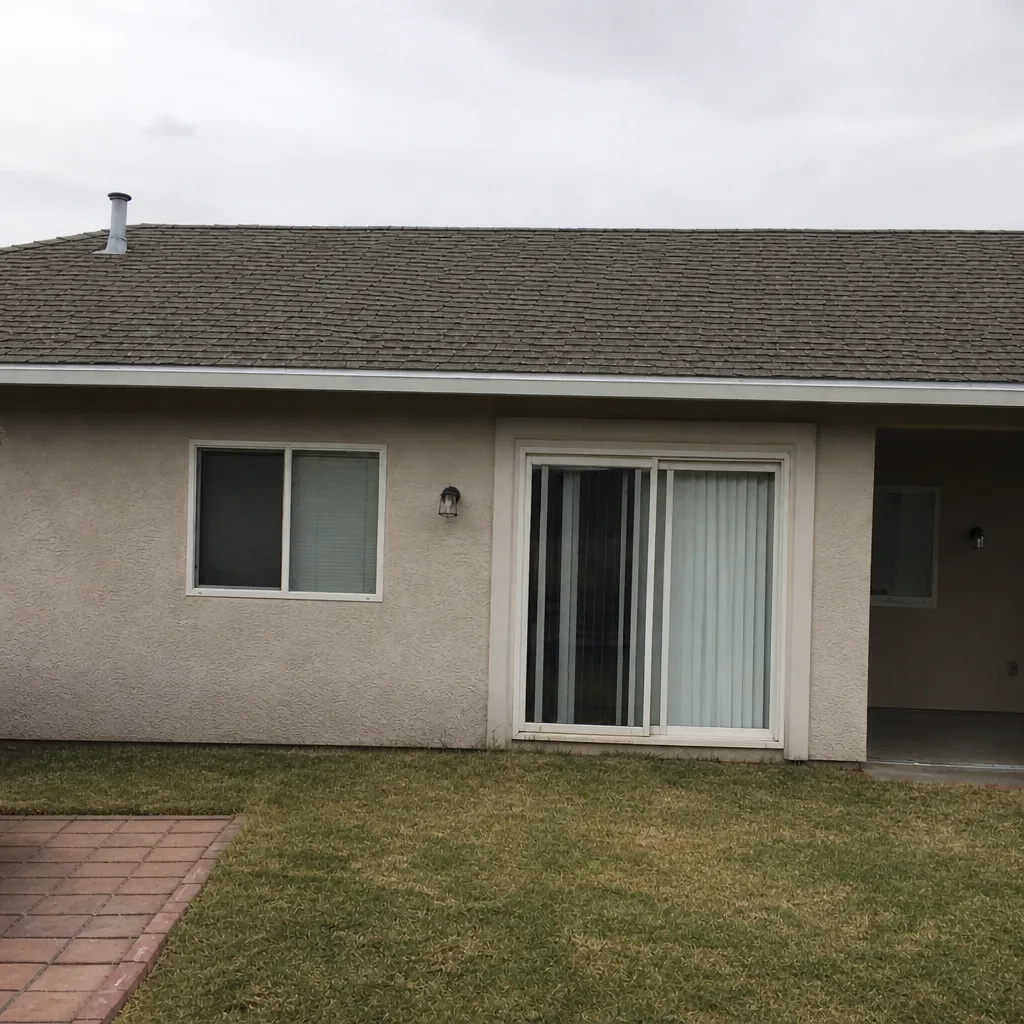
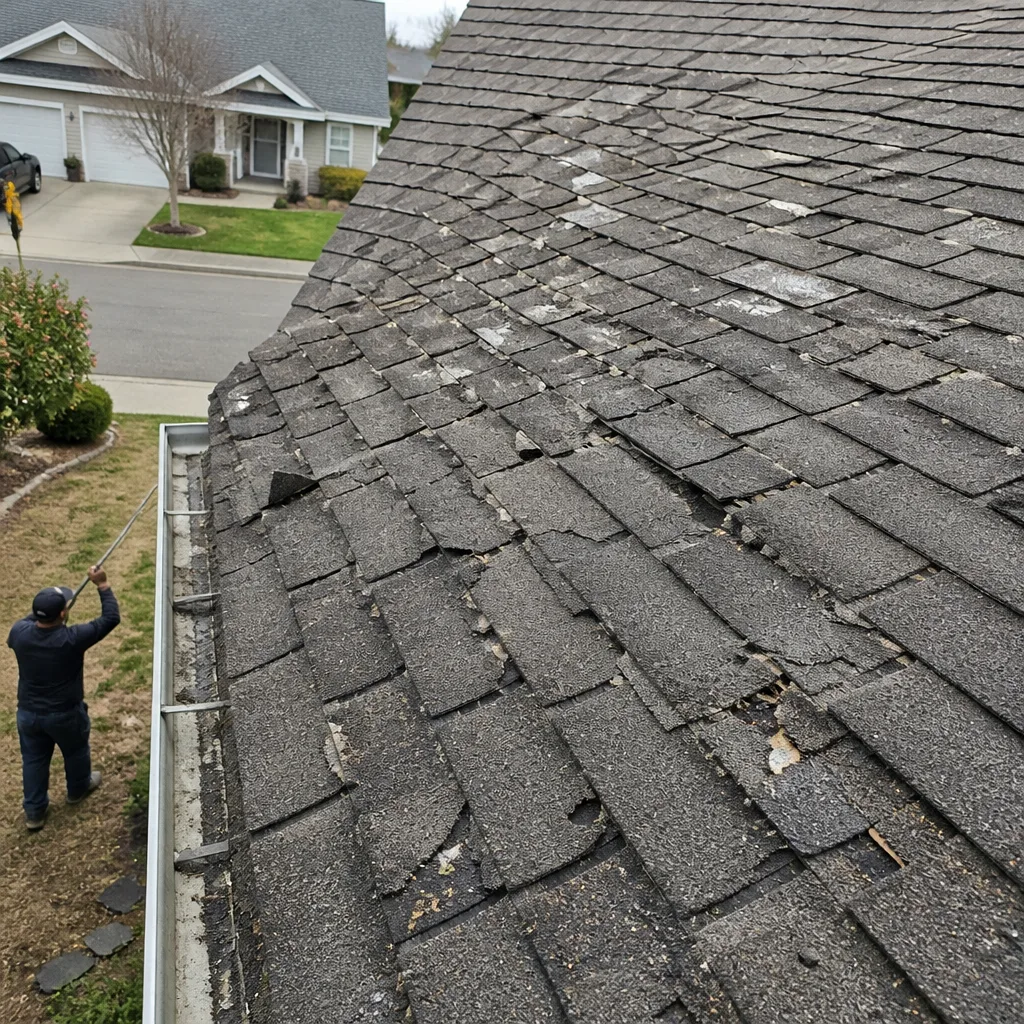
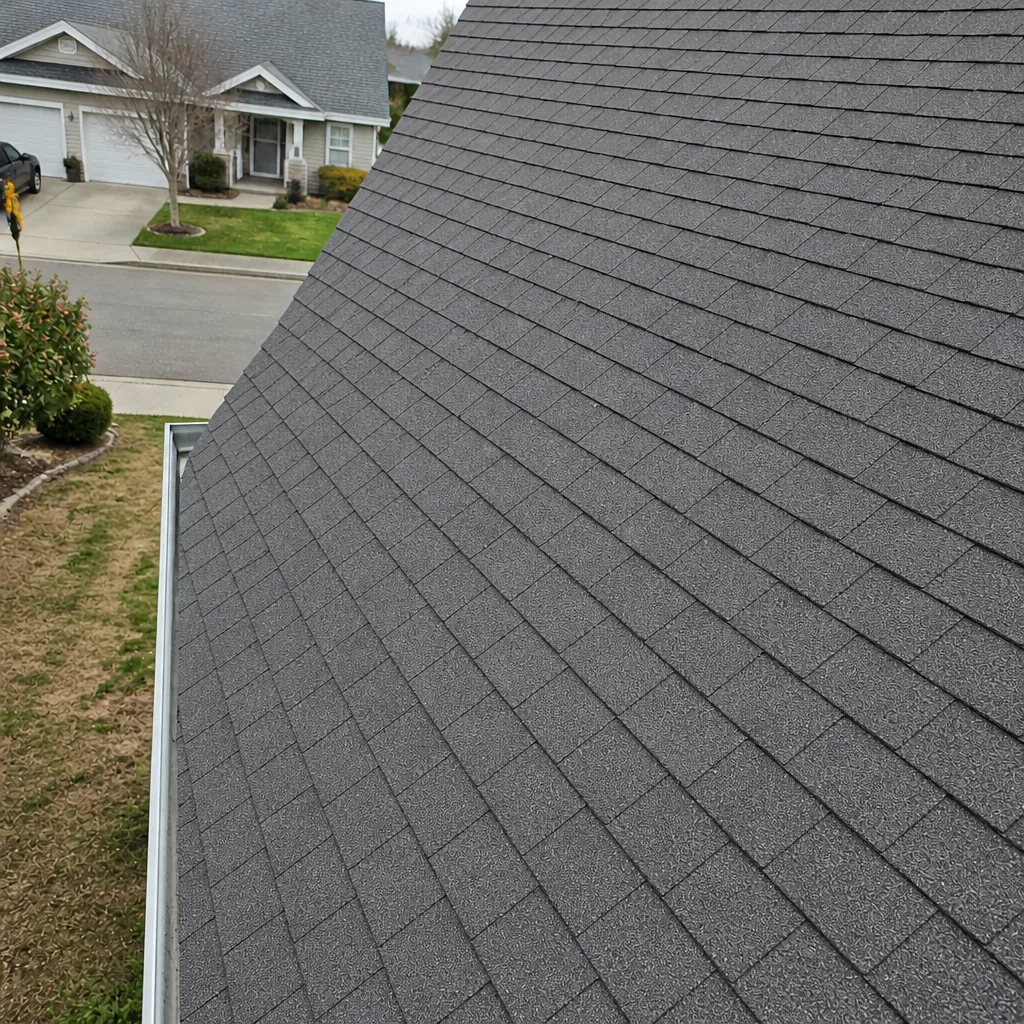
See the difference
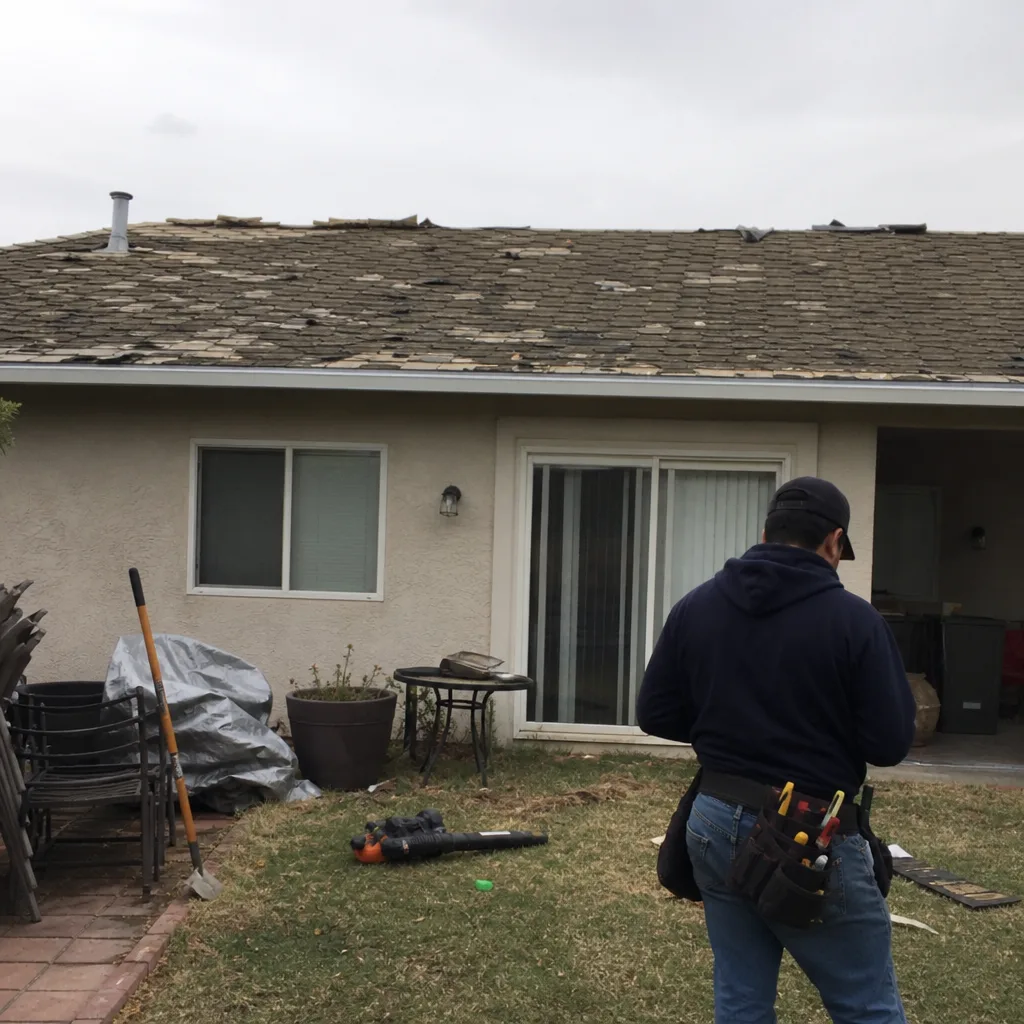 Before
 After
 Before
 After
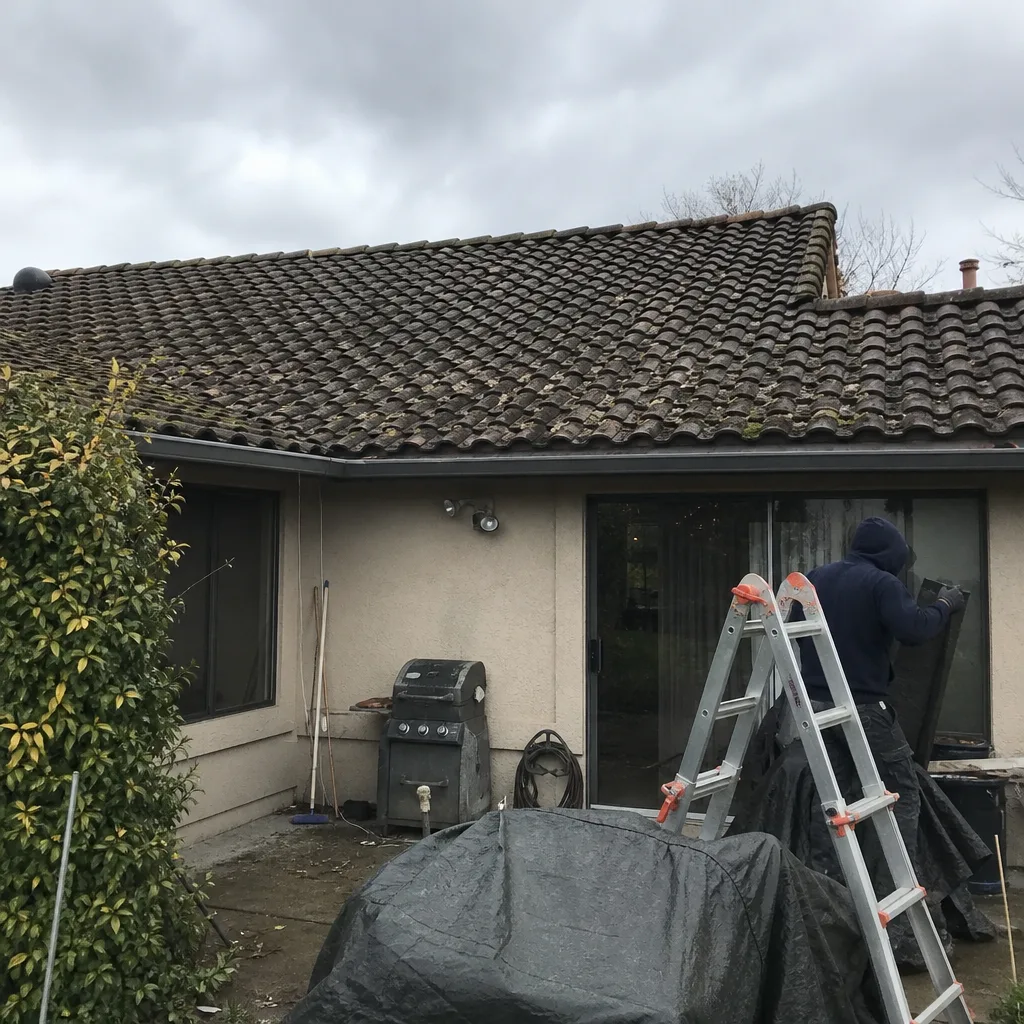 Before
 After
When to Call a Professional
Call a professional when the work involves any of the following: opening the roof surface, replacing decking or structural sheathing, installing tile or metal systems, or working on any pitch steeper than what you’re comfortable walking on a cool morning. Also call when there’s any HOA question, any permit question, or any question about your homeowner’s insurance policy and how it handles owner-builder work. Those are decisions worth making with someone who handles them regularly.
Calling a professional costs less than most homeowners think for a first conversation. Roofing Roseville Pros offers free estimates in Roseville, with a written line-item quote that shows materials, labor, and any decking contingency. Call (279) 529-0857. We answer 24/7. Fast dispatch from 7am to 7pm, Sunday through Friday. Our technicians have up to 10 years of experience, and we install shingle, tile, and metal from seven manufacturers, so the recommendation follows your roof and your HOA, not a single-brand supply deal.
Frequently Asked Questions
Yes, under an owner-builder permit on your primary residence. The permit requires inspection to code, and the work must be done by you, not by unlicensed helpers. You’ll also forfeit manufacturer workmanship warranty coverage on the installation. If you’re going to do the work, pull the permit first and call the building department to confirm what your project needs.
Yes, it can. Seller disclosure rules mean the permit history follows the property, and buyers inspect permit records during due diligence. An owner-builder re-roof without final inspection sign-off can complicate escrow or reprice the sale. If you’ve done the work yourself, keep every permit document and inspection record in your home file.
It depends on the specific community’s architectural guidelines, which vary widely across Roseville. Most HOAs require written approval before installation and specify approved materials, colors, and profiles. Submit the actual product line and color, not just the material category, and keep the written approval on file. Installing without approval can result in an order to remove the work.
Gutter cleaning, re-securing hangers, pipe boot replacement, minor flashing resealing, and debris removal from valleys and roof edges. Anything that opens the roof surface, replaces decking, or touches structure belongs with a professional. Tile and metal work requires specialized sequencing, and a mistake there can void the manufacturer’s coverage on the entire installation.
For most homeowners, no. Workmanship warranty coverage protects against the install failures that account for most real roofing problems, and it typically transfers to the next owner, which has resale value. Product warranties alone don’t cover the labor of a failing installation. Ask to see the manufacturer’s warranty document before deciding, and read the workmanship section closely.
A licensed and insured installation crew, permits and inspection coordination, material selection that works within your HOA, and manufacturer workmanship warranty coverage. It also includes a written estimate with pricing set per job, so change orders for decking damage or unexpected structural work are quoted in writing instead of discovered mid-project. For a new roof installation, that structure makes the project easier to plan around.
The Bottom Line
The DIY vs professional roofing decision in Roseville is not really a cost question. It’s a coverage question. The homeowner who goes the owner-builder route can absolutely succeed with the right preparation, but the manufacturer workmanship warranty, the HOA approval, and the final inspection record are all things they’ll need to manage without help. For small maintenance work, DIY makes sense and saves real money. For anything that opens the roof, replaces decking, installs tile or metal, or touches structure, a licensed installation preserves the coverage that a buyer will expect at resale, and that’s the protection most homeowners actually want. If you’re weighing the two paths, our team at Roofing Roseville Pros is available to help you decide which roof work makes sense to do yourself and which belongs with a specialist. Call (279) 529-0857 for a free estimate and a written quote. We answer 24/7. Fast dispatch from 7am to 7pm, Sunday through Friday.
Written by the team at Roofing Roseville Pros.