Last updated November 25, 2026
Free roof inspection with deck photos before we talk money - GAF and Owens Corning certified installation
How to Hire a Roofing Contractor in Roseville: A Step-by-Step Guide
Most homeowners assume the hard part of a roof project is the work itself. In our experience, the hard part is the filtering. After significant rain events in the Sacramento region, Placer County sees a spike in unlicensed contractor complaints, and roofing is consistently the top category. The homeowner who waits a week to check credentials often ends up paying twice: once to the crew that took a deposit, and again to the contractor who fixes what was left behind. This guide walks you through the verification steps, the bid details, and the payment structure that separate a real Roseville roofing contractor from a storm-chasing one.
Quick Answer
Hiring a roofing contractor in Roseville means verifying a California C-39 roofing license through the CSLB before anyone walks your roof, getting a written bid that itemizes permits, manufacturer certification, and debris disposal, and structuring payments so no more than a small deposit leaves your hands before materials land on your driveway. A general B-license alone is a yellow flag for roofing work. A crew with out-of-state plates and no local address is a red one.
Styles & brands we work with
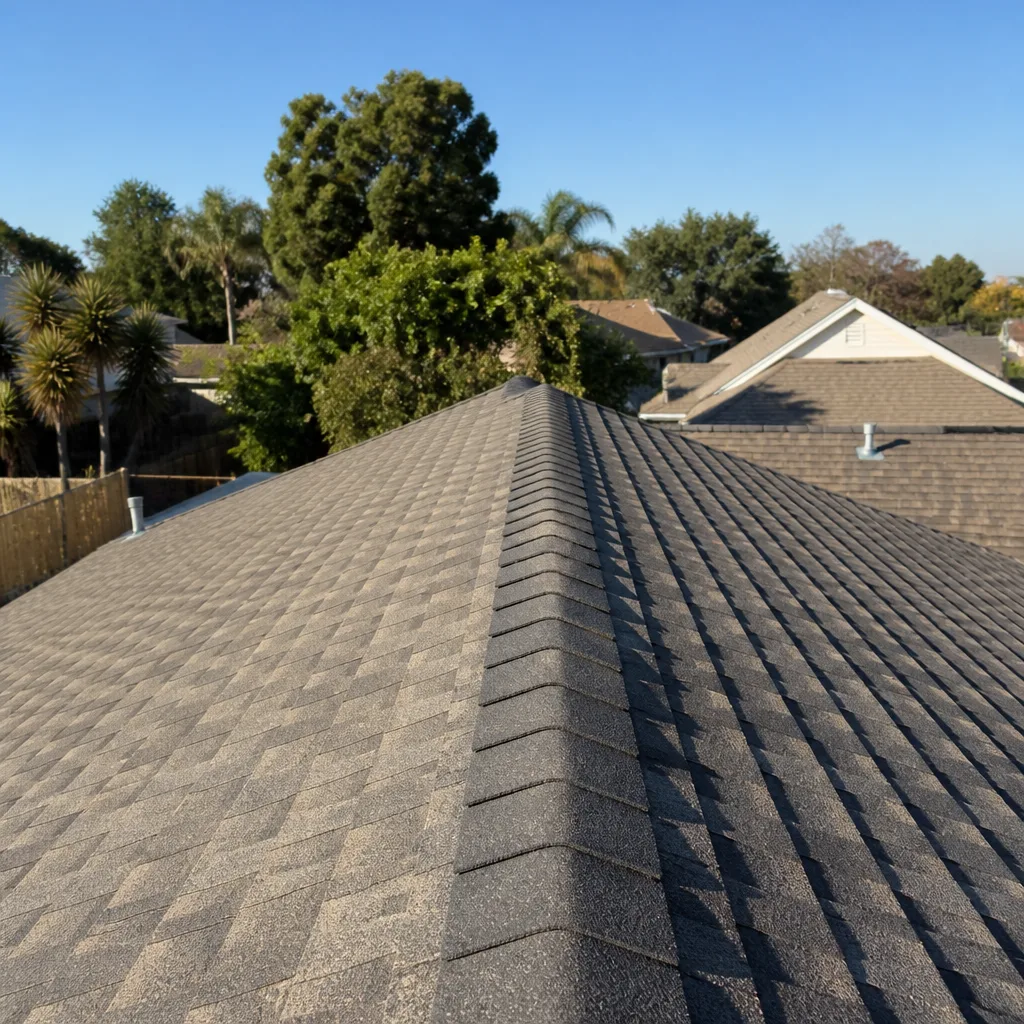
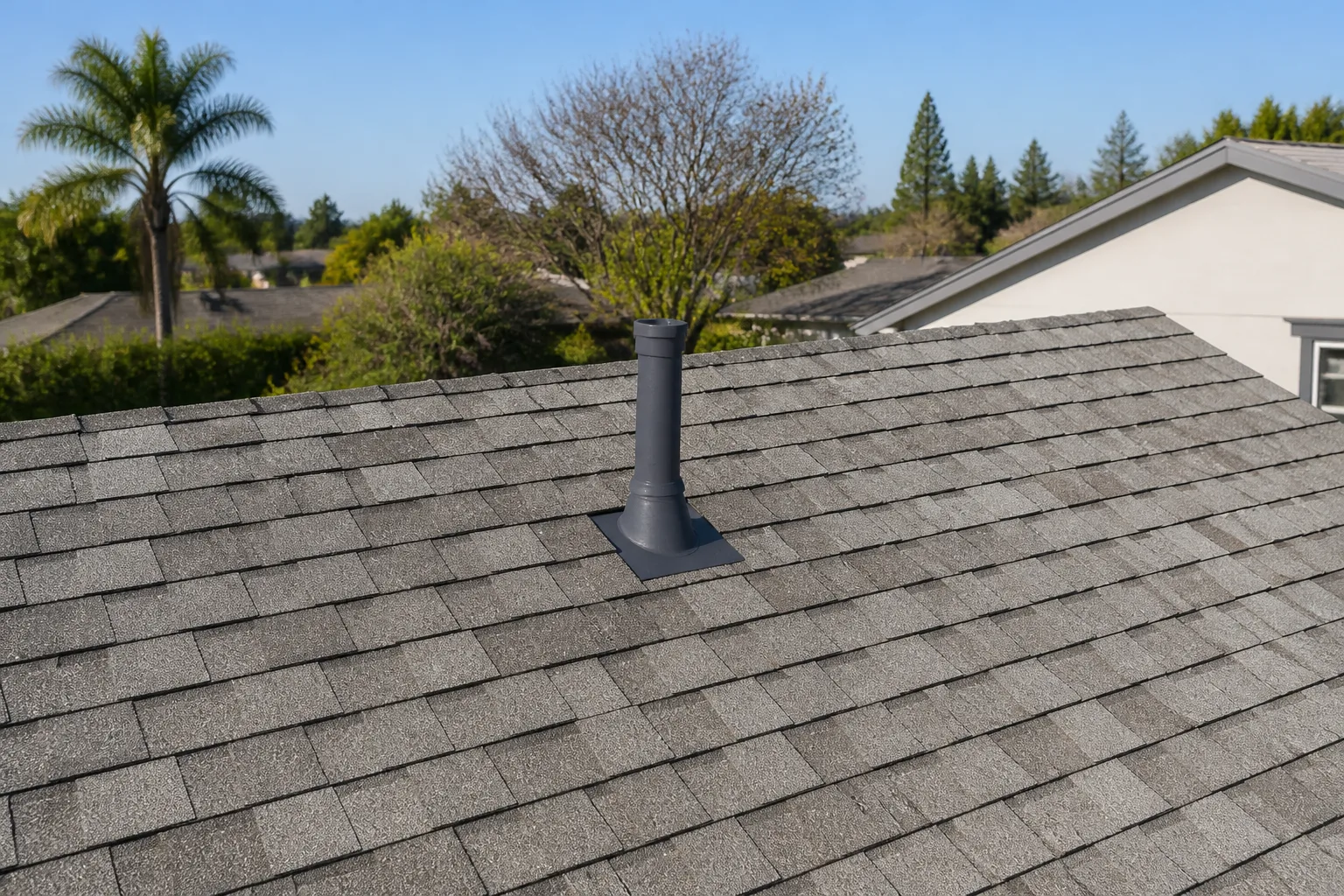
- Architectural shingles
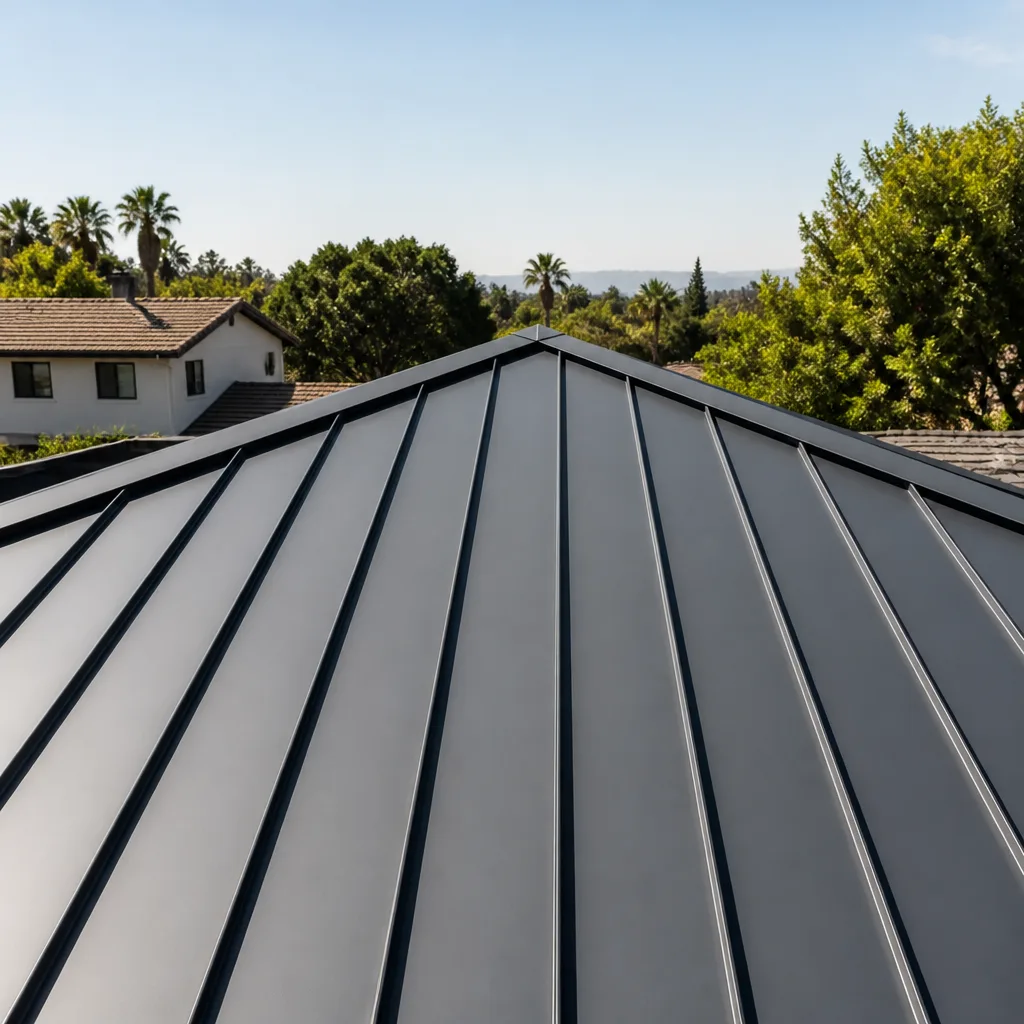
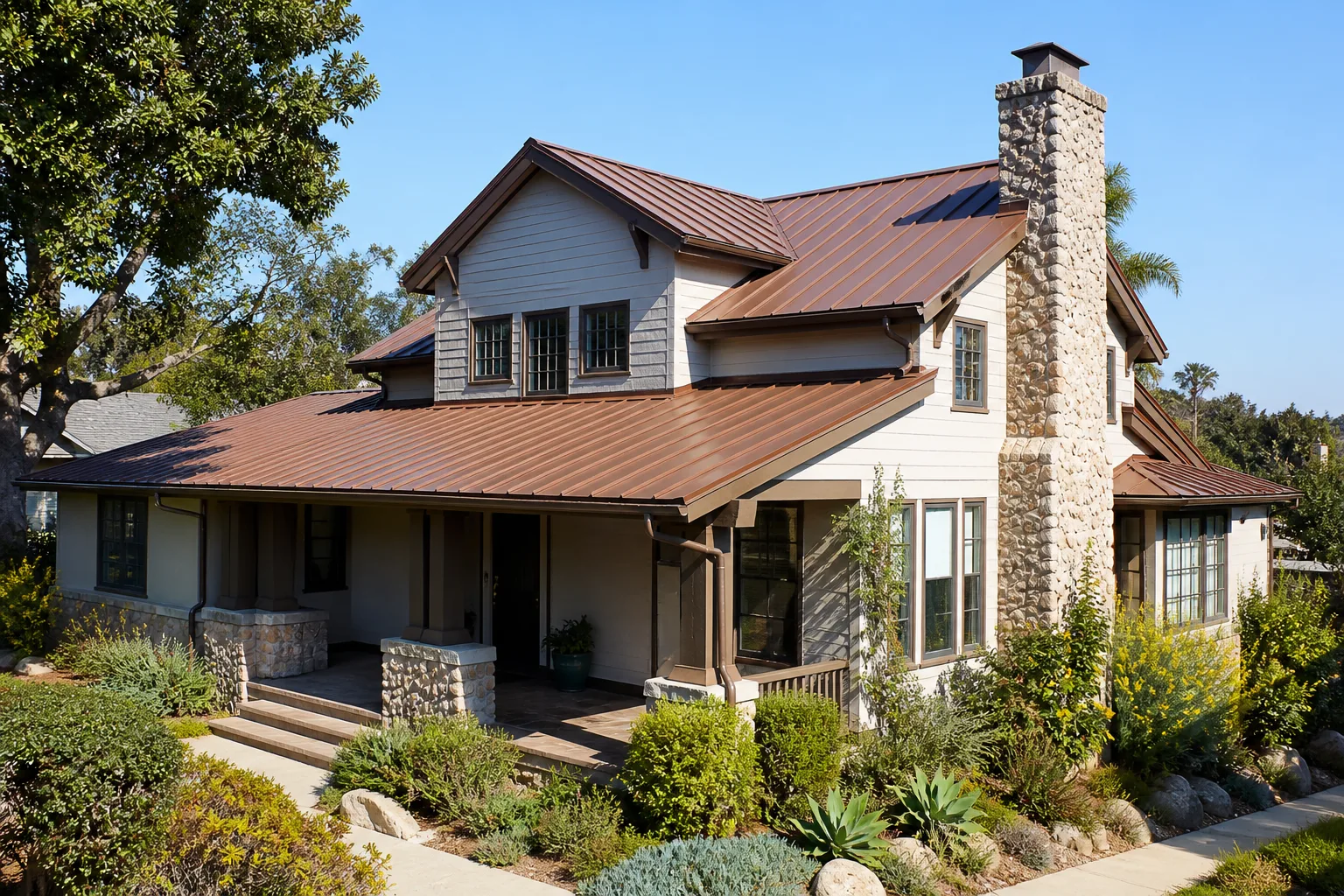
- Metal roofing
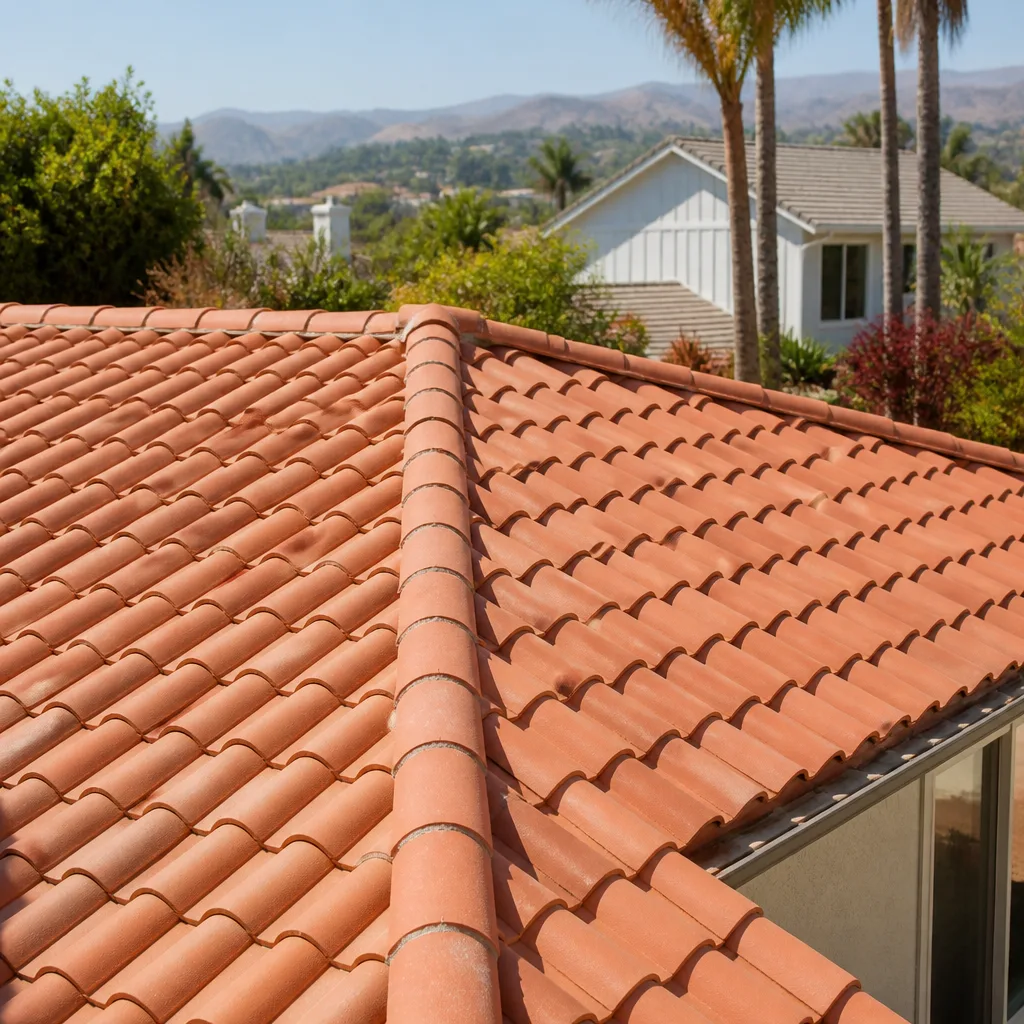
- Tile roofing
- GAF
- Owens Corning
- Flat & low-slope
Table of Contents
- How Do You Verify a Roofing Contractor’s License in Roseville?
- Why a C-39 License Matters More Than a General B-License
- What a Roseville Roofing Bid Should Include
- Why Manufacturer Certification Changes Your Warranty
- How to Spot Storm-Chasing Crews Before You Sign
- How to Structure a Payment Schedule That Protects You
- Matching the Material to Your Home and Budget
- Ten Questions to Ask Before You Sign Anything
How Do You Verify a Roofing Contractor’s License in Roseville?
You verify a roofing contractor’s license by pulling the contractor’s record from the California State License Board, or CSLB, and confirming three things: an active license, a roofing classification, and a clean complaint history. The whole check takes under five minutes on the CSLB website, and it is the single most useful five minutes you will spend on this project.
Here is the sequence we recommend, in order:
- Ask for the license number in writing. A legitimate contractor hands it over without hesitation. If you get a vague answer about “the office handling that,” stop there.
- Look up the number on the CSLB site. Confirm the status reads “Active” and that the classification includes C-39, which is the roofing classification in California.
- Confirm the business name and address match. The license record shows the legal business name and a business address. If the name on the bid doesn’t match the name on the license, ask why before you go further.
- Check the complaint and disciplinary history. The record shows past complaints and any disciplinary actions. A single old complaint is not disqualifying. A pattern of them is.
- Ask for a certificate of insurance and confirm the coverage is current. The local pro is licensed and insured as their state requires, and you should see that reflected in documents, not just in conversation.
A note on Roseville specifically: Placer County has a large number of homes built across several decades, and the roofing market here runs from established local outfits to crews that roll in from out of the area after a wet winter. The license lookup is what separates the two. It takes less time to check than it does to make a pot of coffee, and it tells you more than any sales presentation will.
If you want a starting point for what a properly licensed Roseville roofing operation looks like, that is the standard we hold ourselves to at Roofing Roseville Pros. Our technicians have up to 10 years of experience, and every project runs through the same verification and permitting steps described in this guide.
Why a C-39 License Matters More Than a General B-License
A C-39 license is California’s specific roofing contractor classification. A B-license is a general building contractor license, and while a B-license holder can legally take some roofing work in limited circumstances, it signals that roofing is not their primary trade. For a full roof replacement in Roseville, that distinction matters.
Here is how the two differ in practice:
- Scope of focus. A C-39 contractor works on roofs. A B-license generalist works across framing, additions, remodels, and sometimes roofs. Their crews are not built around one trade.
- Manufacturer relationships. Manufacturer certification programs, which we will cover below, are generally granted to dedicated roofing contractors. A generalist usually cannot offer you the same warranty tier.
- Inspection familiarity. A Roseville roofing specialist knows what the local building department expects on a tear-off and re-roof, and knows how to sequence inspections so the project does not stall.
- Warranty continuity. If your roof is under a manufacturer warranty and something goes wrong, a dedicated roofing contractor is in a better position to pursue that claim on your behalf.
A B-license is not automatically a deal-breaker. If the contractor can show you a roofing classification on their CSLB record alongside it, or can show you that a licensed C-39 contractor is running the roof scope, that is a different conversation. What you want to avoid is a generalist crew treating your roof as a side job between kitchen remodels. Roofing is unforgiving work. Small errors in underlayment, flashing, or ventilation show up years later, usually as a leak in a room you did not expect.
This is also why we do roofing only. Every crew member, every tool, and every process at Roofing Roseville Pros is built around roofs. We install shingle roofing, tile, and metal systems across Roseville, and we do not split that attention across plumbing, HVAC, or general remodeling.
What a Roseville Roofing Bid Should Include
A professional Roseville roofing bid is a written document with itemized line items, not a single lump-sum number on a business card. The bid should be detailed enough that two contractors bidding the same roof produce documents you can compare side by side. If one bid is three pages and the other is a text message, you have your answer.
You should see each of the following in writing:
- Permit line item. The bid should state whether the permit is included and who pulls it. Most cities require a permit for a full re-roof, so ask your city’s building department if you are unsure about your specific project. A contractor who suggests skipping the permit to save money is telling you a lot about how they operate.
- Tear-off and disposal. How many layers come off, and who hauls the debris away. Disposal terms should be explicit, including the dumpster placement and whether the cost is included or billed separately.
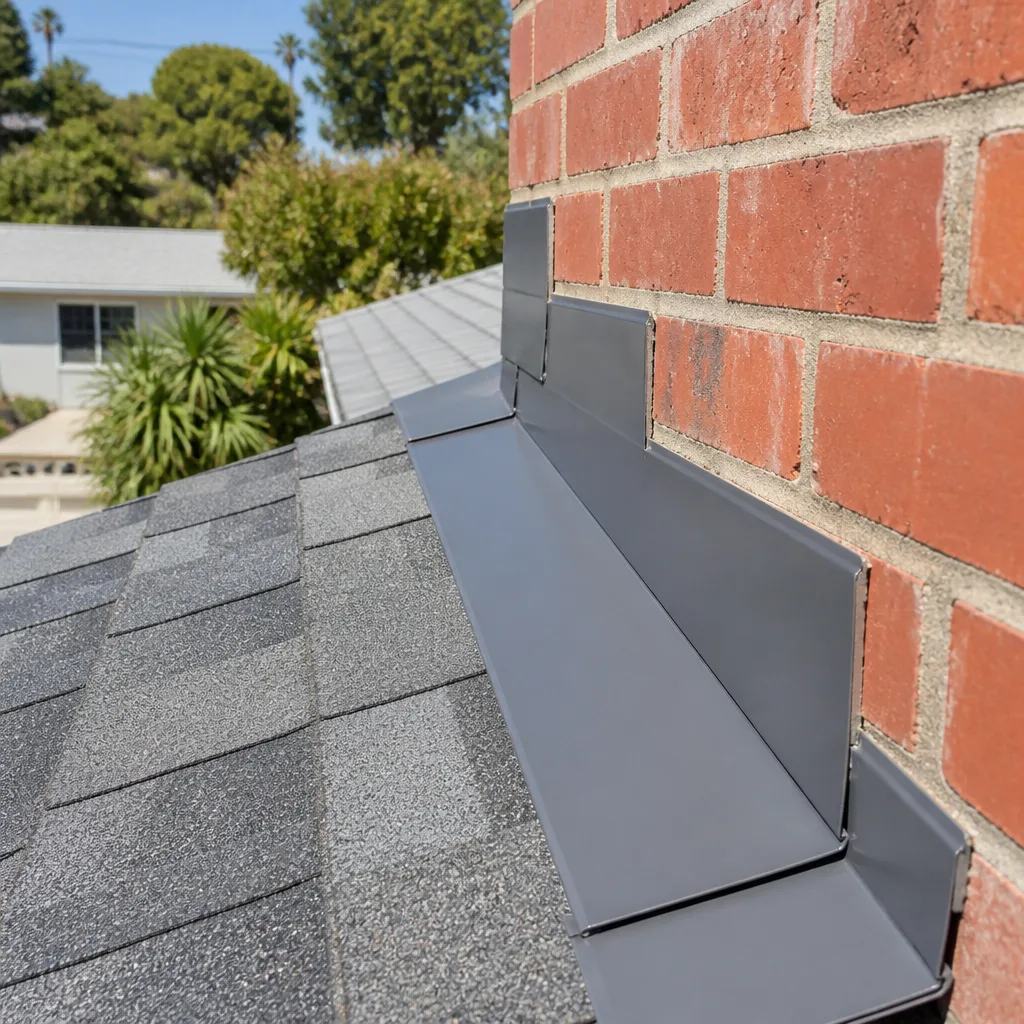
- Underlayment and flashing. The specific products, not just “new underlayment.” Flashing details at valleys, chimneys, and penetrations are where leaks start.
- Ventilation. Intake and exhaust strategy. A roof that is not vented correctly shortens the life of the shingles and traps heat in the attic, which matters in Roseville’s hot summers.
- Manufacturer certification disclosure. Which certification tier the contractor holds, and what warranty that tier unlocks.
- Decking condition clause. What happens if rotten sheathing is found after tear-off. The bid should state a per-sheet price for replacement so you are not negotiating mid-project.
- Payment schedule. Broken into stages, with the final payment tied to completion and inspection.
- Workmanship warranty terms. In writing, with a duration and what it covers.
Any bid that leaves out the permit line, the decking clause, or the disposal terms is not a bid. It is an estimate of a number the contractor can change later. The written estimate sets the final price, and you should hold every contractor to that standard before signing.
Why Manufacturer Certification Changes Your Warranty
Manufacturer certification matters because it determines which warranty tier you actually receive. GAF Master Elite, Owens Corning Preferred, and CertainTeed SELECT ShingleMaster are manufacturer programs that require a contractor to meet installation, insurance, and business standards. The products those certified contractors install often carry extended manufacturer warranties that go beyond the standard coverage.
Here is the part most homeowners miss: the extended warranty usually requires certified installation of a complete manufacturer system. That means the shingles, underlayment, starter strips, and ridge vents all come from the same manufacturer, installed by a contractor in the manufacturer’s program. If one component comes from a different brand, the extended warranty does not apply, even if the shingles themselves are top quality.
This is why we carry product lines from seven manufacturers, including GAF, CertainTeed, and Owens Corning. Not because we want to sell you a brand, but because the right system for your home might not be the same system as your neighbor’s. A certified contractor who works across multiple manufacturers can match the system to your roof, your budget, and the warranty you want.
The other thing to ask about is warranty transferability. Product lines from partner manufacturers frequently carry transferable manufacturer warranties, meaning the coverage follows the home rather than the original owner. If you plan to sell your Roseville home in the next decade, a transferable warranty is a real line item in the resale conversation. Ask the contractor to show you the warranty documentation before you sign, not after.
We work with these certification programs because they protect the homeowner, and because they give us access to roof replacement systems that perform in the Sacramento Valley climate. If a contractor cannot tell you which certification tier they hold and what it unlocks, that is a question they should be able to answer in one sentence.
How to Spot Storm-Chasing Crews Before You Sign
Storm-chasing crews are the single biggest hiring risk in Roseville roofing. After a wet winter, out-of-area contractors move through the region offering fast inspections, free tarp jobs, and same-day contracts. Some are legitimate. Many are not. The difference shows up in the details you can check in five minutes.
Look for these red flags:
- Out-of-state plates on the work vehicles. Not proof of anything on its own, but combined with the rest of this list, it is a signal.
- No local business address. Ask for a physical address, not a PO box or a phone number. A contractor without a local address has nothing to lose by leaving.
- Pressure to sign same-day. Real contractors will still be there next week. The same-day pitch is a sales tactic, and it is usually paired with a “today only” price that does not survive a second call.
- Cash up front before materials arrive. A large deposit paid in cash before any materials are ordered is the classic structure of a crew that takes the money and moves on. Deposits should be modest, and the bulk of the payment should be tied to delivered materials and completed work.
- No written bid with a permit line. Storm-chasing crews often skip permits entirely, which becomes your problem when you sell the home or file a claim.
- No verifiable license number. This is the easiest check and the one that filters out most of the problem.
Here is the counterintuitive part. A legitimate roofing contractor does not need you to sign the same day. The urgency is a tell. If a crew is pushing you to commit before you have checked the CSLB record, the answer is no. You can always call them back tomorrow, and a real contractor will still pick up.
How to Structure a Payment Schedule That Protects You
A payment schedule that protects you ties every dollar to something you can see. The structure below is the one we recommend, and a legitimate Roseville contractor will not object to it. If they do, that objection is information.
- A small deposit at contract signing. Enough to secure the schedule, not enough to fund the job.
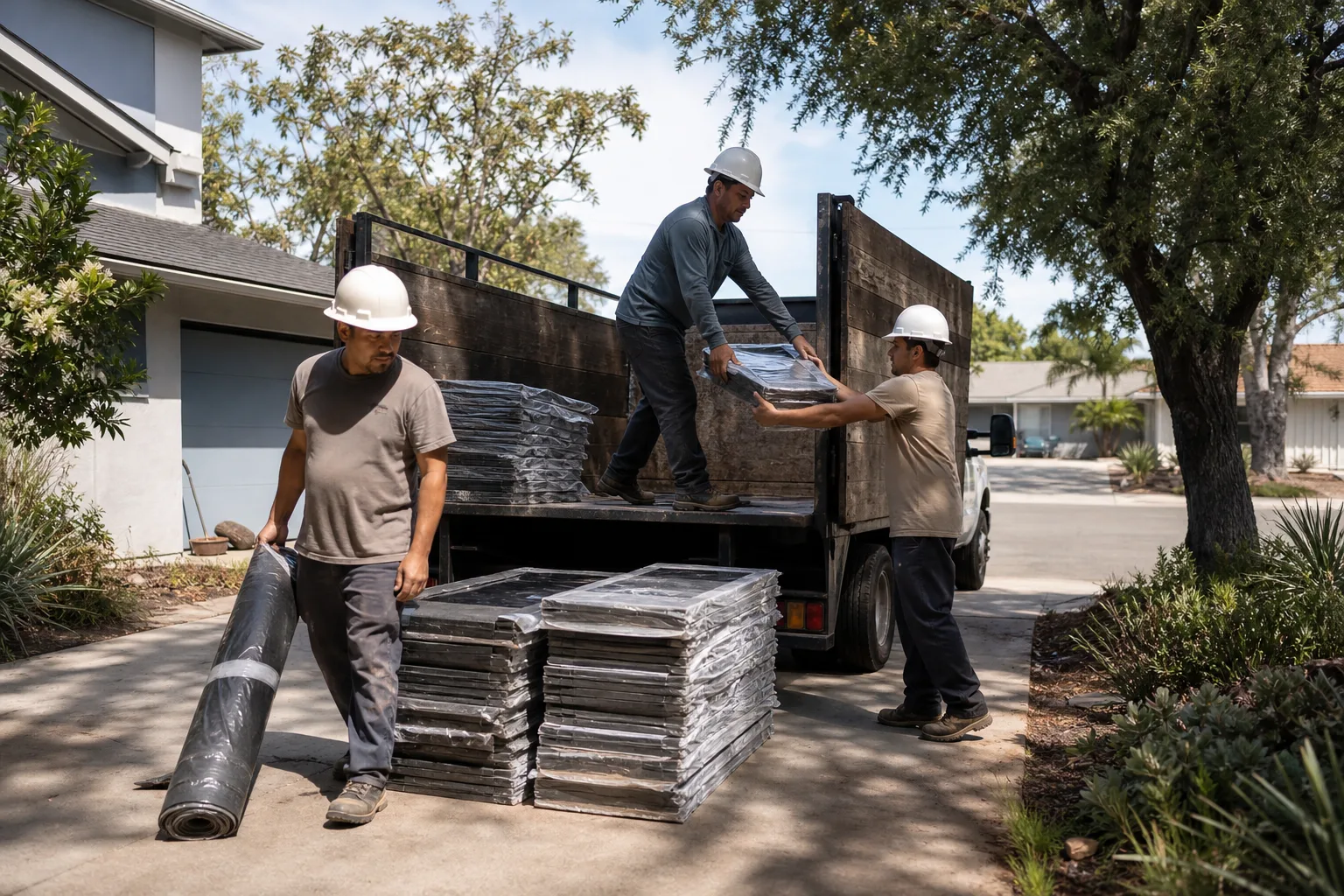
- Materials payment on delivery. The next payment is due when materials arrive on your property, not before. You should be able to see the shingles, underlayment, and accessories stacked in your driveway before that check goes out.
- Progress payment after tear-off and decking. Once the old roof is off and any decking issues are addressed, a middle payment is normal. This is the stage where the decking clause in your bid matters.
- Final payment after inspection. The last payment is held until the work is complete and the permit inspection has passed. This is your leverage, and it is standard practice.
Two rules to carry into any conversation. First, never pay the full contract amount before the roof is finished. Second, never pay cash without a receipt on company letterhead. A contractor who insists on cash-only is a contractor you should not hire, regardless of how good the price looks.
We set our pricing per job by written estimate, and the estimate you sign is the price you pay. There are no change orders for work already in the bid. That is the standard you should expect from any Roseville contractor before you hand over a deposit.
Matching the Material to Your Home and Budget
Roseville homeowners generally choose among three residential roofing systems: architectural shingles, tile, and metal. Each has a real use case, and the right choice depends on your home’s style, your budget, and how long you plan to stay.
| Material | Best fit | What to know |
|---|---|---|
| Architectural shingles | Most Roseville homes, especially where budget and timeline matter | Wide style range, strong warranty options through certified programs, straightforward installation |
| Tile (including Boral products) | Homes designed for tile weight and Mediterranean or Spanish styling | Requires structural review for load, longer installation timeline, excellent heat performance |
| Metal | Homeowners prioritizing longevity or a modern look | Higher upfront cost, strong performance in hot summers, specific installation details that matter |
The honest answer is that the “best” material depends on the house. A tile roof on a framing system never designed for the weight is a mistake regardless of how good the tile is. A metal roof on a home you plan to sell in three years may not return the investment. An architectural shingle from a certified manufacturer program is often the right fit for Roseville homes, but not always.
This is where working with a material-agnostic contractor pays off. Because we install shingle, tile, and metal, and source from seven manufacturers, our recommendations are driven by your home and budget rather than a single-brand supply deal. For a new build, the same principle applies to new roof installation: the material choice should come before the bid, not after.
The other factor specific to this region is heat. Roseville summers are long and hot, and attic ventilation and roof color both affect how much heat reaches your living space. A contractor who brings up ventilation and reflectivity before you ask is a contractor who understands the local climate.
Ten Questions to Ask Before You Sign Anything
These ten questions cover the gaps that most Roseville roofing bids leave open. Ask them of every contractor you interview, and compare the answers side by side.
- What is your CSLB license number, and can I confirm it while we talk?
- Do you hold a C-39 roofing classification, or does your crew lead hold one?
- Which manufacturer certifications do you hold, and what warranty tier does that unlock for my roof?
- Is the permit included in this bid, and who pulls it?
- What does the bid state for decking replacement if rot is found after tear-off?
- What is included in debris disposal, and where will the dumpster go?
- What is the payment schedule, and what stage ties to each payment?
- What is the workmanship warranty, in writing, and what does it cover?
- How will you handle ventilation and flashing details on my roof?
- Can you show me the warranty documentation before I sign?
A contractor who can answer all ten without hesitation is a contractor worth continuing the conversation with. A contractor who deflects on questions one through three is telling you something about questions four through ten.
Common Mistakes to Avoid
- Hiring on price alone. The lowest bid in Roseville is often the one that leaves out the permit or the decking clause. Compare the line items, not the totals.
- Skipping the CSLB check. It takes five minutes and it filters out most of the problem contractors. There is no good reason to skip it.
- Paying a large deposit in cash. A deposit should be small and tied to the schedule. Cash before materials arrive is a red flag.
- Signing on the first visit. Same-day pressure is a sales tactic. A real contractor will still be there next week.
- Accepting a bid without a permit line. Unpermitted work becomes your liability when you sell, and most cities require a permit for a full re-roof.
- Ignoring the warranty details. Ask which certifications the contractor holds and whether the warranty is transferable. The answer affects your resale value.
- Choosing a generalist for a roofing project. A B-license generalist may be excellent at remodels. Roofing is a different trade with different failure modes.
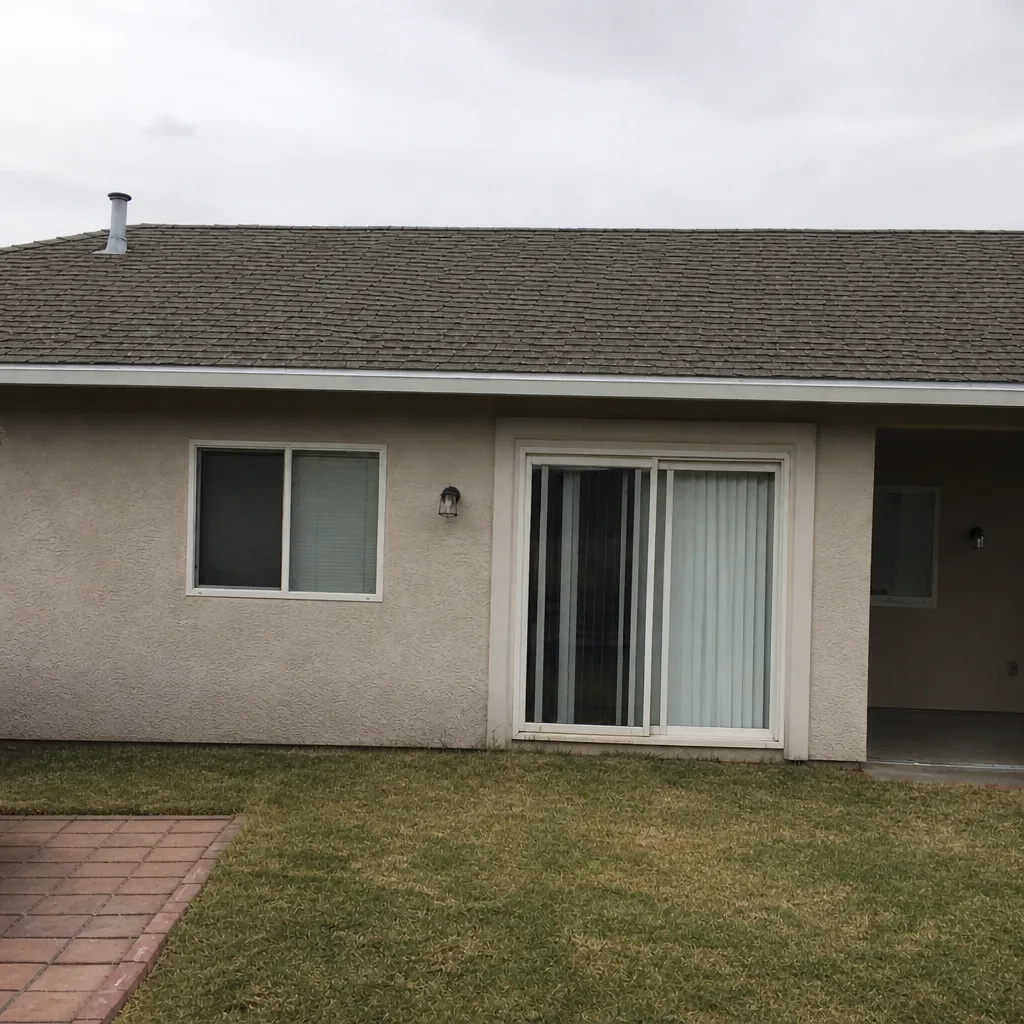
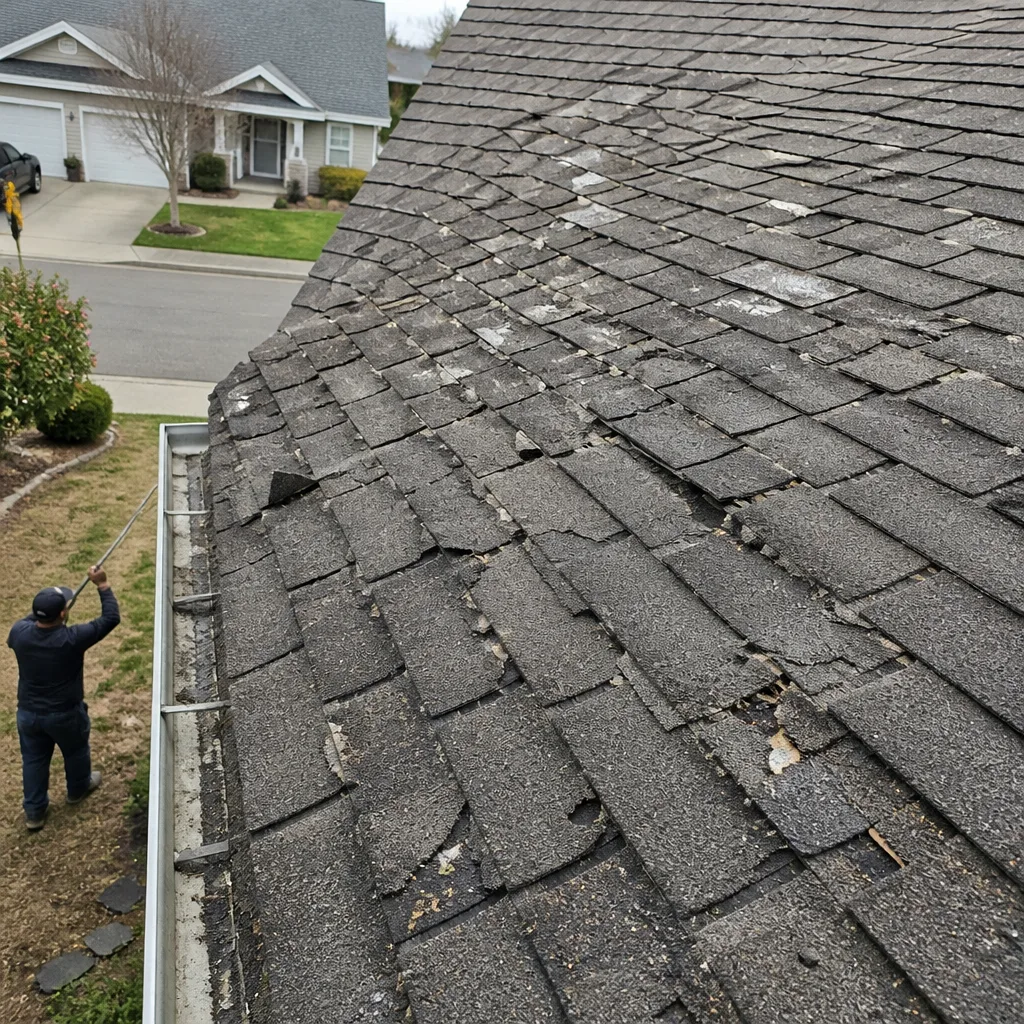
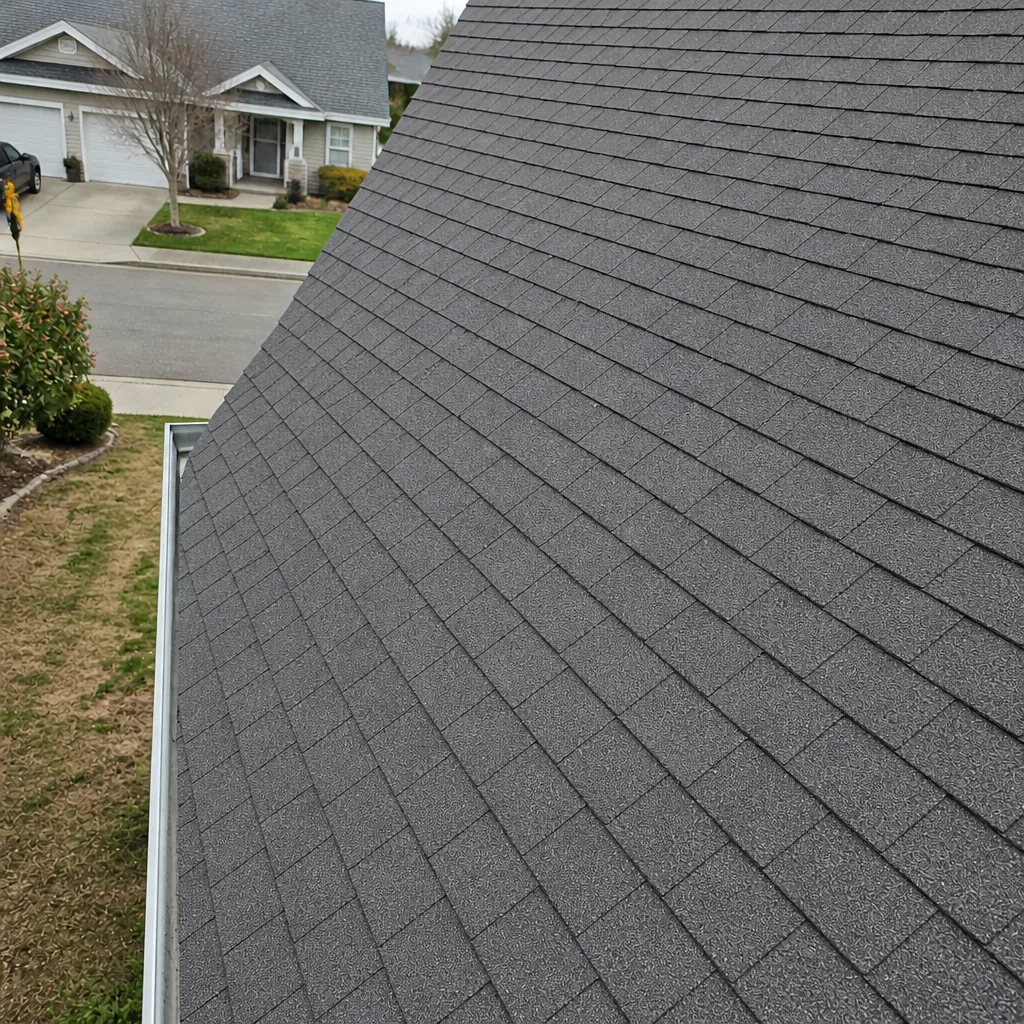
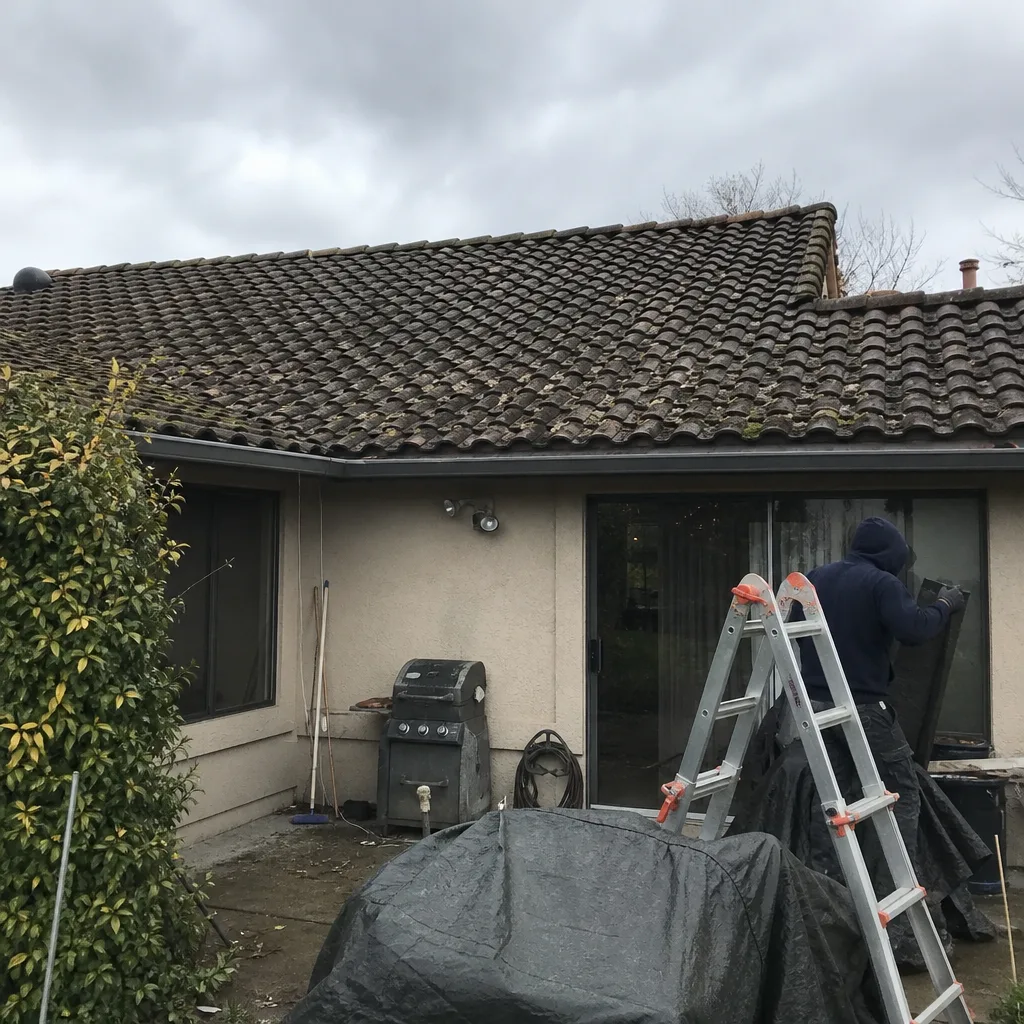
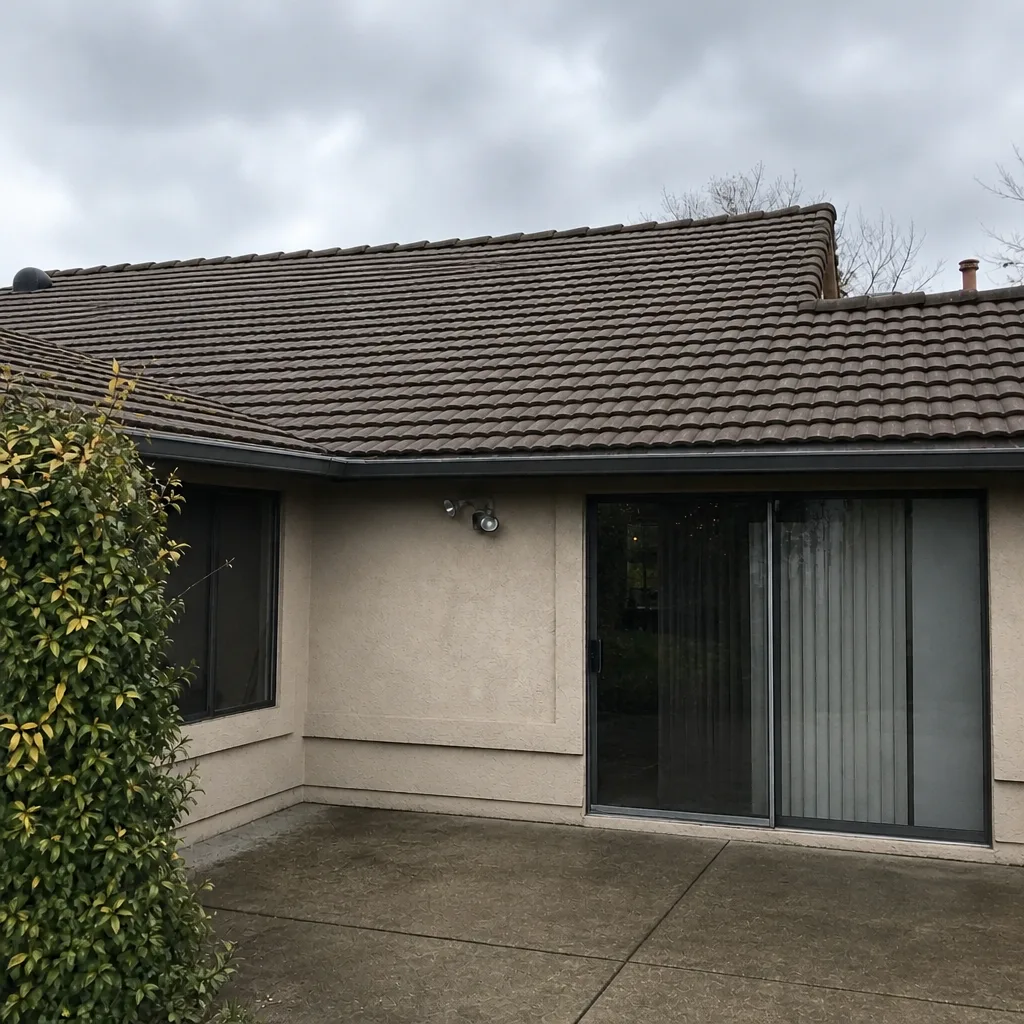
See the difference
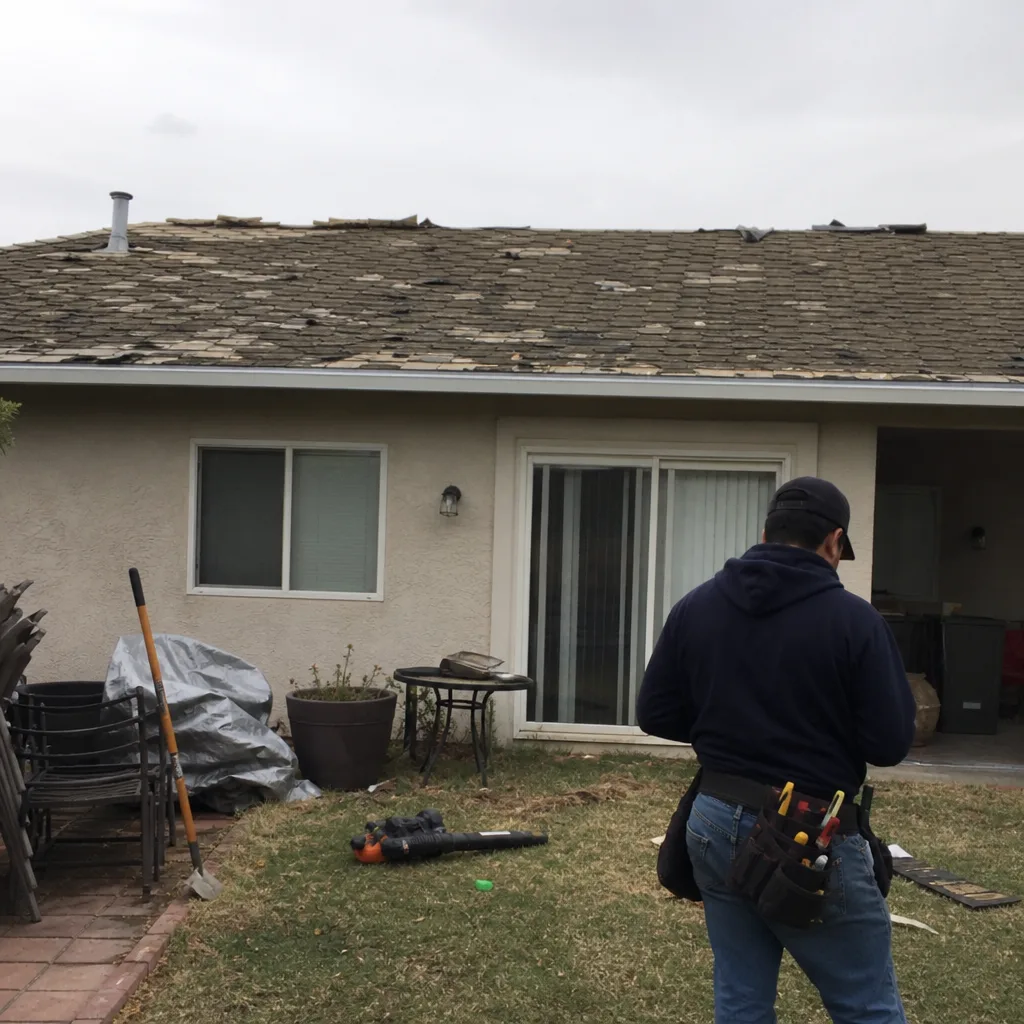 Before
 After
 Before
 After
 Before
 After
When to Call a Professional
Some roof issues are inspection items. Others are call-now items. Call a professional when you see water staining on a ceiling after a rain, when shingles are missing or lifted in a section, when flashing around a chimney or skylight has pulled away, or when a roof is past the end of its expected service life and you are planning a replacement. Call when a contractor’s bid looks too good to be true, because the verification checklist in this guide is faster with someone walking you through it. And call when you are planning a new build and need the material specified before construction starts. Roofing Roseville Pros offers free estimates in Roseville. Call (279) 529-0857. We answer 24/7. Fast dispatch from 7am to 7pm, Sunday through Friday.
Frequently Asked Questions
Look up the contractor’s license number on the California State License Board website and confirm the status is active and the classification includes C-39 roofing. The check takes under five minutes. Ask for the number in writing and compare the business name on the license to the name on the bid. Call (279) 529-0857 for a free estimate from a contractor who will hand you that number without hesitation.
A B-license is a general building contractor license, not a roofing classification, and it is a yellow flag for a full roof replacement. A B-license holder may legally take some roofing work in limited circumstances, but roofing is not their primary trade. Ask whether a C-39 licensed contractor is running the roof scope. Call (279) 529-0857 to schedule a free estimate.
A complete bid itemizes the permit, tear-off and debris disposal, underlayment and flashing products, ventilation, manufacturer certification tier, a decking replacement clause with a per-sheet price, and a staged payment schedule. Most incomplete bids are missing the permit line, the decking clause, or both. The written estimate sets the final price. Call (279) 529-0857 for a free written estimate.
Check the license through the CSLB, ask for a local business address, and notice whether you are being pressured to sign the same day. Out-of-state plates, no local address, a large cash deposit before materials arrive, and a bid with no permit line are the classic combination. A legitimate contractor will still be there next week. Call (279) 529-0857 for a free estimate.
Manufacturer certification programs like GAF Master Elite, Owens Corning Preferred, and CertainTeed SELECT ShingleMaster unlock extended manufacturer warranties that exceed standard coverage. Those extended warranties typically require certified installation of a complete manufacturer system, meaning all components from the same brand. Ask for the warranty documentation before you sign. Call (279) 529-0857 to discuss which certification tier fits your roof.
A small deposit at signing, a materials payment on delivery, a progress payment after tear-off and decking, and a final payment after the inspection passes. The bulk of the money should follow delivered materials and completed work, never precede them. A legitimate contractor will not object to this structure. Call (279) 529-0857 for a free estimate.
The Bottom Line
Hiring a roofing contractor in Roseville comes down to verification. Check the CSLB record for an active C-39 license before anyone walks your roof. Get a written bid that itemizes the permit, the decking clause, and the disposal terms. Ask which manufacturer certification the contractor holds and what warranty it unlocks. Structure payments so your money follows delivered materials and completed work, not the other way around. Skip the same-day pressure, and treat an out-of-area crew with no local address as a reason to slow down. A roof replacement is one of the largest investments your home will see, and the filtering steps in this guide cost you less than an hour. Roofing Roseville Pros provides free estimates across Roseville in shingle, tile, and metal systems, and our technicians have up to 10 years of experience. Call (279) 529-0857. We answer 24/7. Fast dispatch from 7am to 7pm, Sunday through Friday.
Written by the team at Roofing Roseville Pros.